
Shqipe began her career as a journalist, uncovering stories of youth and post-war recovery, before she found her calling in energy and transparency.
From Kosovo’s early state-building to leading global initiatives, she has turned challenges into impact, empowering communities and women in energy. Her story shows how vision, courage, and commitment can transform both a sector and a society.
Can you tell us a bit about your journey and what first inspired your interest in the energy and transparency field?
My career began far from the energy sector. My first job was as a journalist at the Radio Television of Kosovo, reporting on youth issues and post-war recovery. That experience showed me how public policies directly affect people’s lives and sparked my interest in governance and institutional development. I wanted to help build the institutions of a young Kosovo at a time when every idea could shape the country’s future.
During my studies at the American University in Kosovo, I focused on public policy. A course on energy policy completely changed my perspective. I realized that energy is much more than electricity production. It connects economic development, environmental sustainability, social wellbeing, and national security. Later, I pursued a master’s degree at Central European University, focusing on energy policy in the Western Balkans, which deepened my understanding of regional challenges and strategies for sustainable transition.
My first direct encounter with the energy sector institutions was in 2008, working on the strategic plan for the state-owned company responsible for operating the electricity transmission network in Kosovo. Later, as a manager for the Regional Environmental Center for Central and Eastern Europe and while leading UNDP’s first anti-corruption program in Kosovo, I focused on transparency in energy and extractive industries. At the U.S. Embassy in Kosovo, I supported the largest energy investment in renewables in the country to date.
This journey from journalism to energy strategy and global transparency initiatives has been unexpected but deeply meaningful. It has shown me that energy is a space where policy, economics, and everyday life intersect, and it continues to fuel my passion every day.
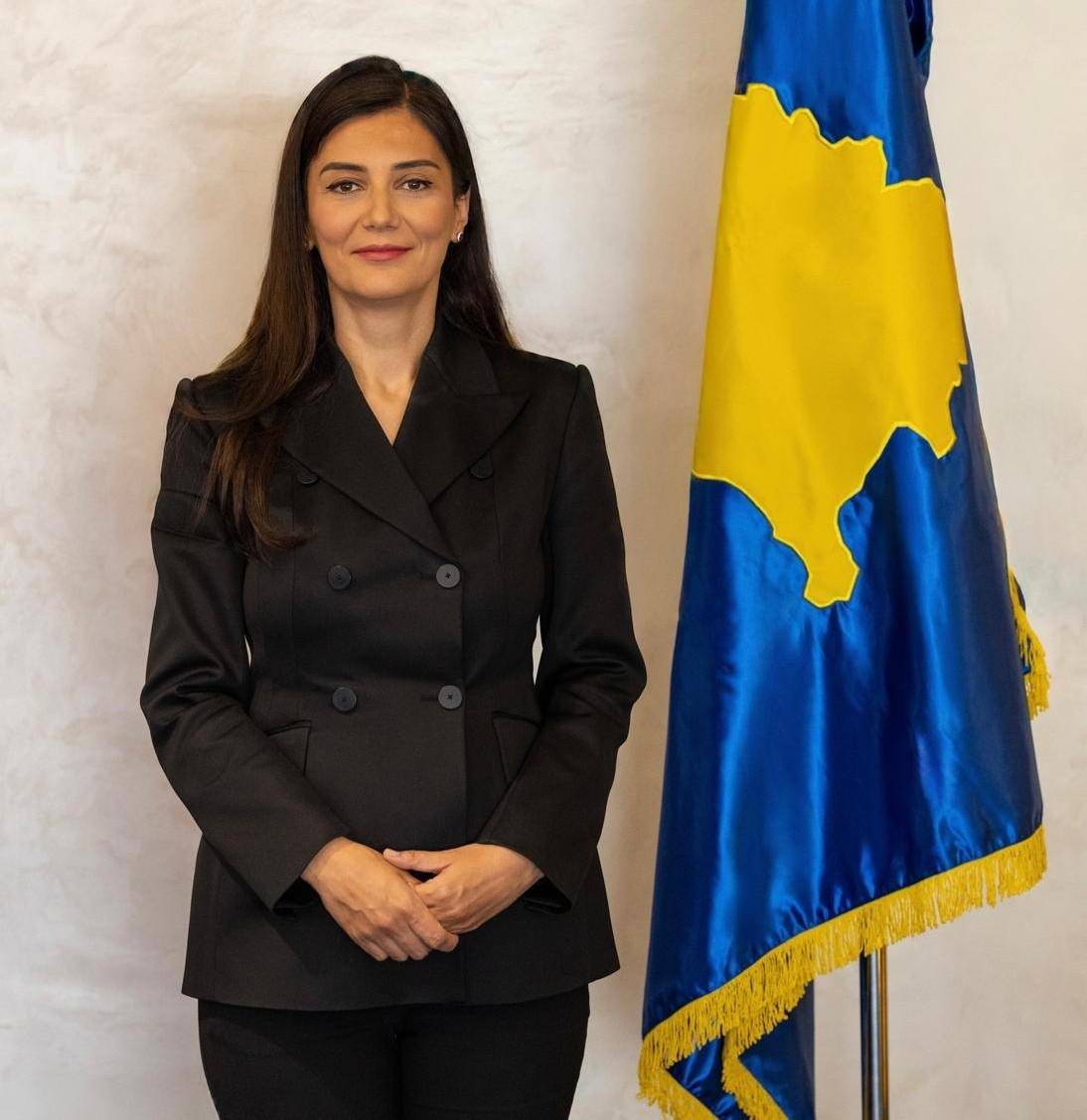
You’ve worked in international development for over two decades. What keeps you motivated and passionate about this work?
I am motivated by the belief that transparency and good governance can truly transform societies. Having witnessed Kosovo’s state-building process from its earliest stages, I have seen how inclusive and accountable policies can rebuild trust, create opportunities, and make a real difference in people’s lives.
Every role I have held, from UNDP and the World Bank to the U.S. Department of State, has reinforced this conviction. I am constantly inspired by the people I work with, including government reformers, civil society leaders, and communities committed to building transparent and fair institutions. The shared sense of purpose and the opportunity to create tangible impact keep me motivated every day.
As Program Manager at the Extractive Industries Transparency Initiative, what does your role involve day to day?
I serve as Program Manager at the EITI International Secretariat in Norway, where I lead programs that strengthen transparency and accountability in the governance of oil, gas, and mineral resources across sixty countries. On a daily basis, we coordinate global programs with national secretariats, provide guidance on policy reforms, and facilitate dialogue between governments, civil society, and the private sector.
Our work focuses on helping countries and companies use transparency as a practical tool for reform, ensuring that natural resources are managed for the public good. The work can be challenging because each country has its own context, but seeing real improvements in governance and the positive impact on communities makes it deeply rewarding.
What are some of the main challenges you have faced in promoting transparency and accountability in the resource sector?
One of the biggest challenges is translating political commitment into real institutional change. Many governments understand the importance of transparency, but putting reforms into practice requires political will, capacity, and sustained civic engagement.
Another challenge is confronting entrenched interests in sectors where revenues are high and accountability is low. Transparency alone is not enough; it must be combined with strong institutions, accessible data, and active participation from civil society. Despite these challenges, I have seen meaningful progress when stakeholders work together and transparency becomes a national priority.
You’ve collaborated with major organizations like the World Bank, UNDP, and the U.S. Department of State. How have these experiences shaped your leadership style?
Each experience has contributed to shaping my leadership in a different way. Leading UNDP’s first anti-corruption program in Kosovo taught me how to address integrity issues through sectoral reforms, particularly in energy and mining, where challenges are often systemic.
Working with organizations such as the World Bank, Millennium Challenge Corporation, and OSCE strengthened my commitment to evidence-based policymaking and partnership-driven reform. Today, my leadership style is collaborative and inclusive. I focus on empowering teams, valuing diverse perspectives, and ensuring that decisions are guided by both data and empathy.
What inspired you to co-found Kosovo Women in Energy and Mining, and what impact has it had?
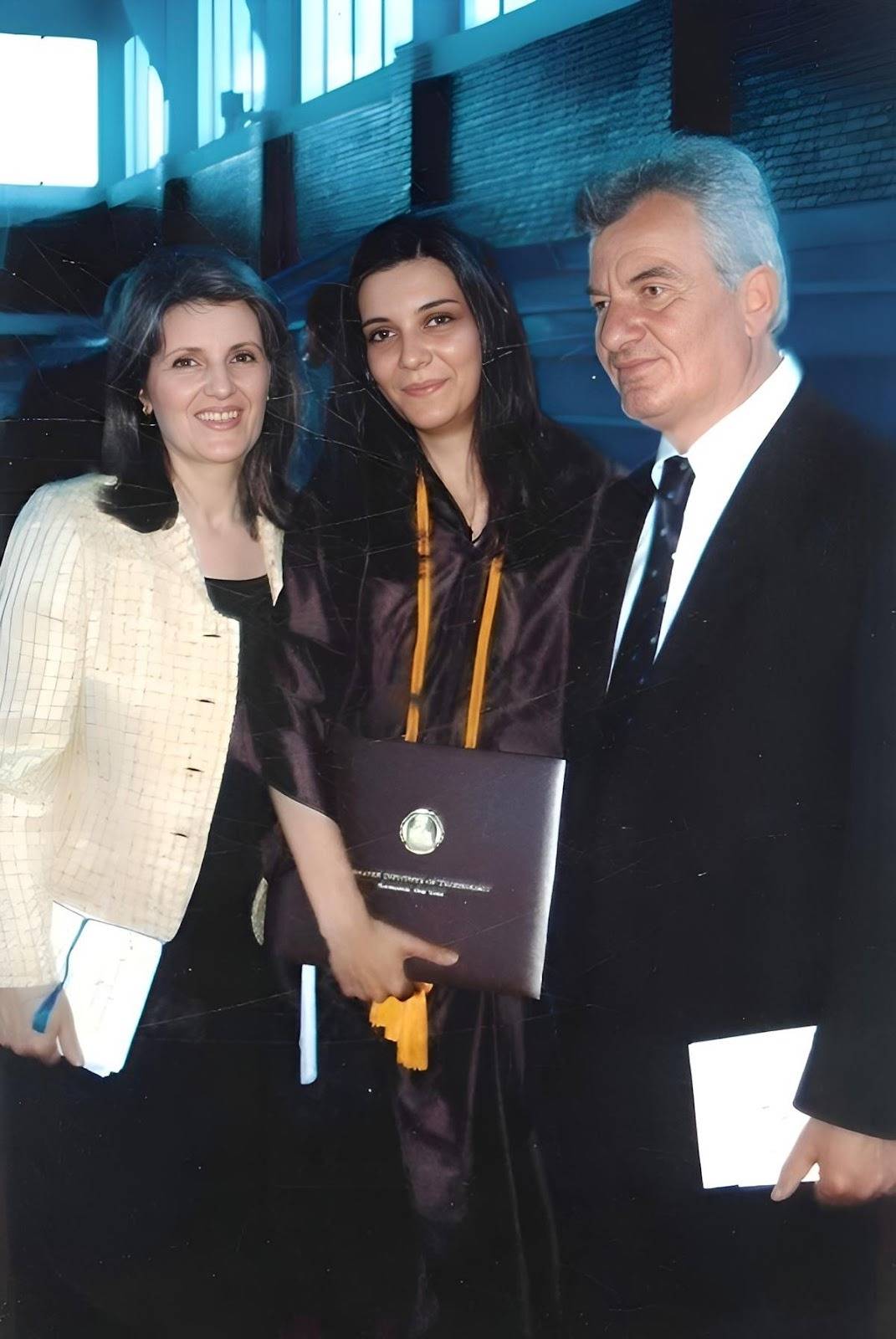
The idea came from recognizing a clear gap: women were significantly underrepresented in leadership roles in energy and mining in Kosovo. Together with a group of colleagues, we founded the Kosovo Women in Energy and Mining Network in 2022 to connect, mentor, and empower women in the sector.
The network now brings together around 100 members from institutions, companies, academia, and international organizations. We focus on mentoring, professional development, and representation in decision-making forums.
Being part of global platforms such as Global Women in Energy Transition and the International Alliance of Women in Mining has amplified our impact, showing that local initiatives can contribute to meaningful global change.
From your perspective, what key changes are needed to make the global energy transition more transparent and inclusive?
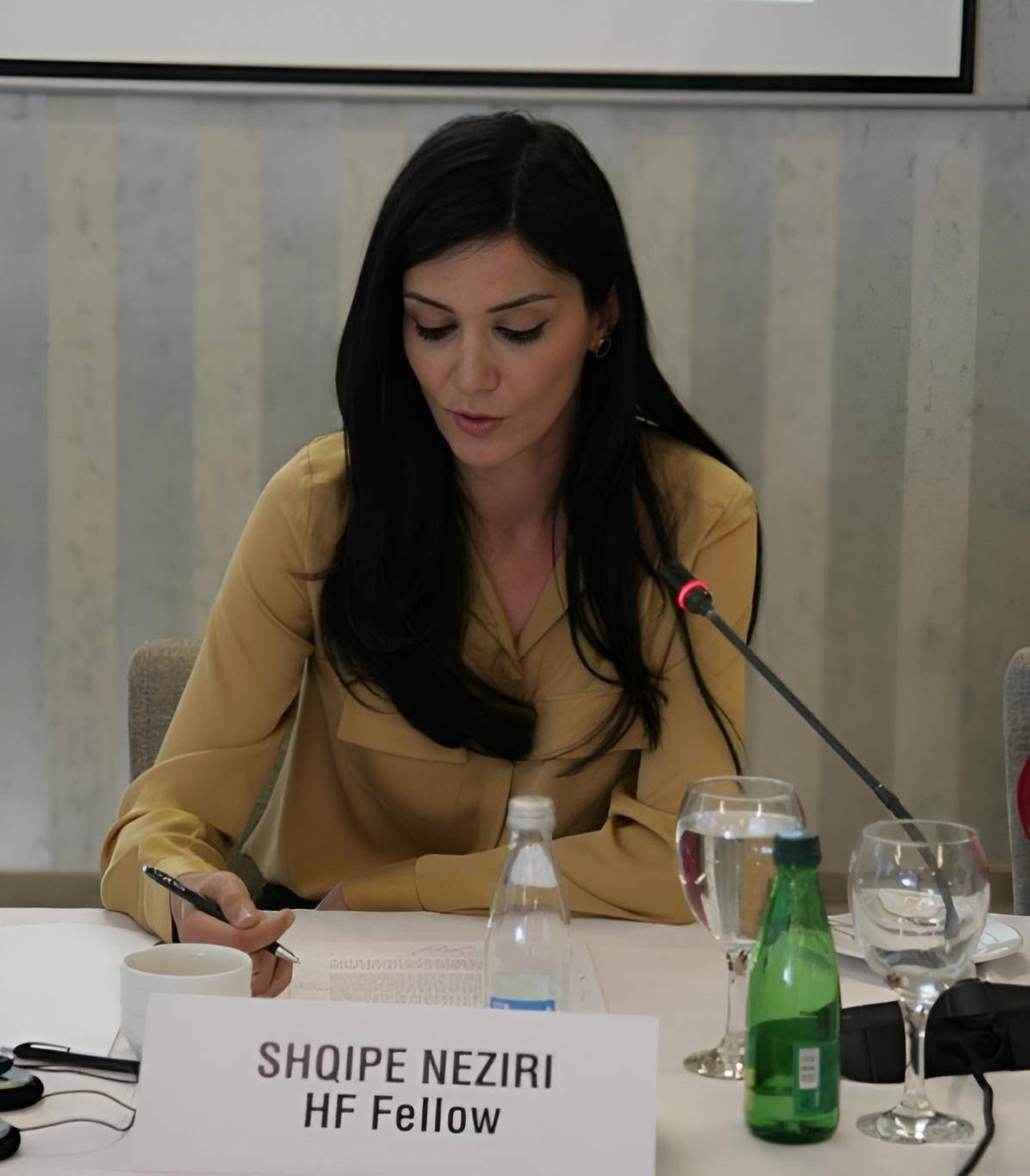
Transparency needs to be built into the foundation of the global energy transition. This includes open disclosure of financial data, decision-making processes, community impacts, and environmental outcomes.
Inclusiveness is equally important. Women, youth, and local communities must have a meaningful voice in shaping policies and decisions. A just transition is not only about replacing energy sources but also about ensuring that the benefits and burdens of change are shared fairly and that governance remains accountable at every step.
You also teach global energy policy. What do you hope your students take away from your lectures?
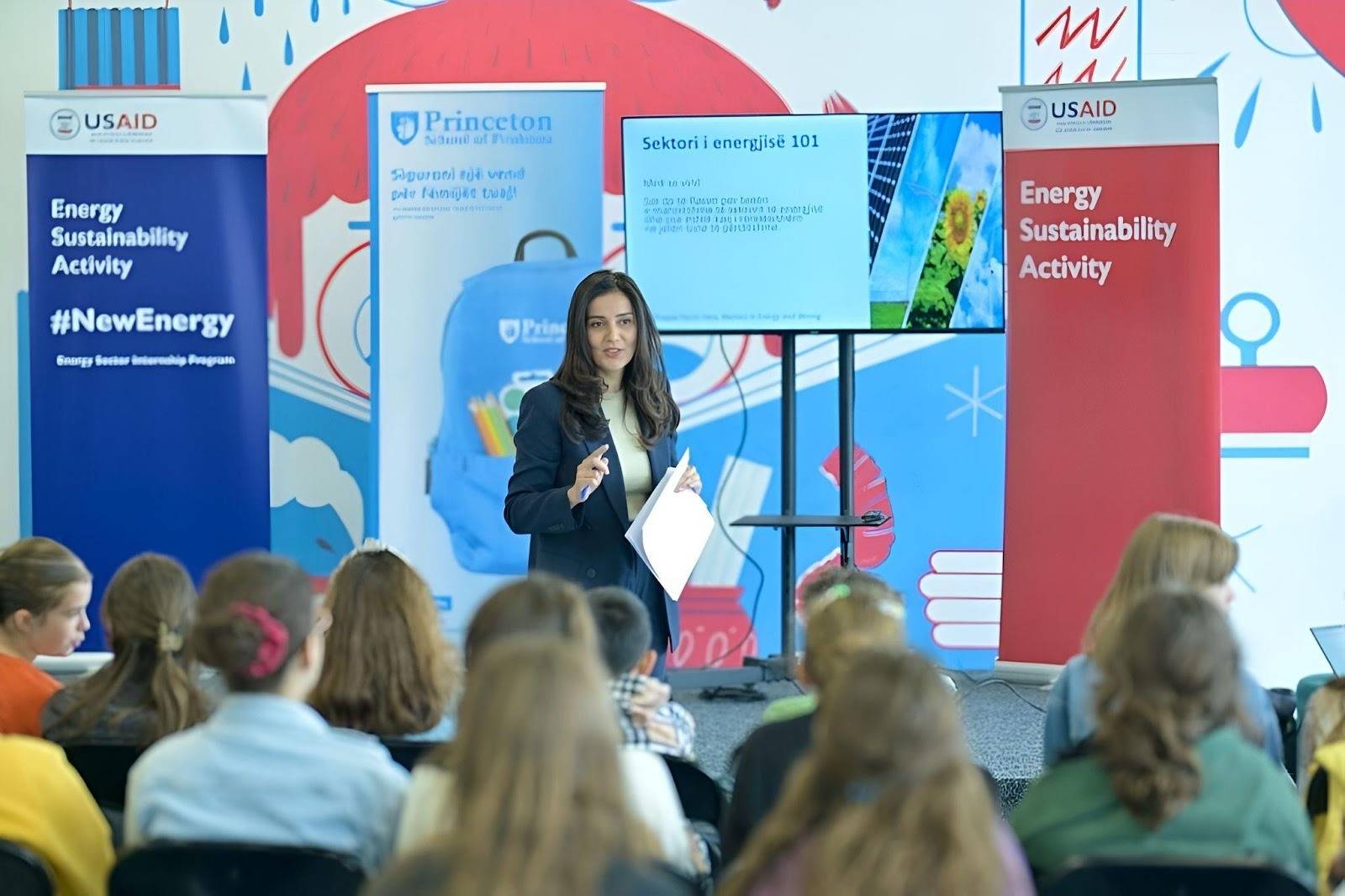
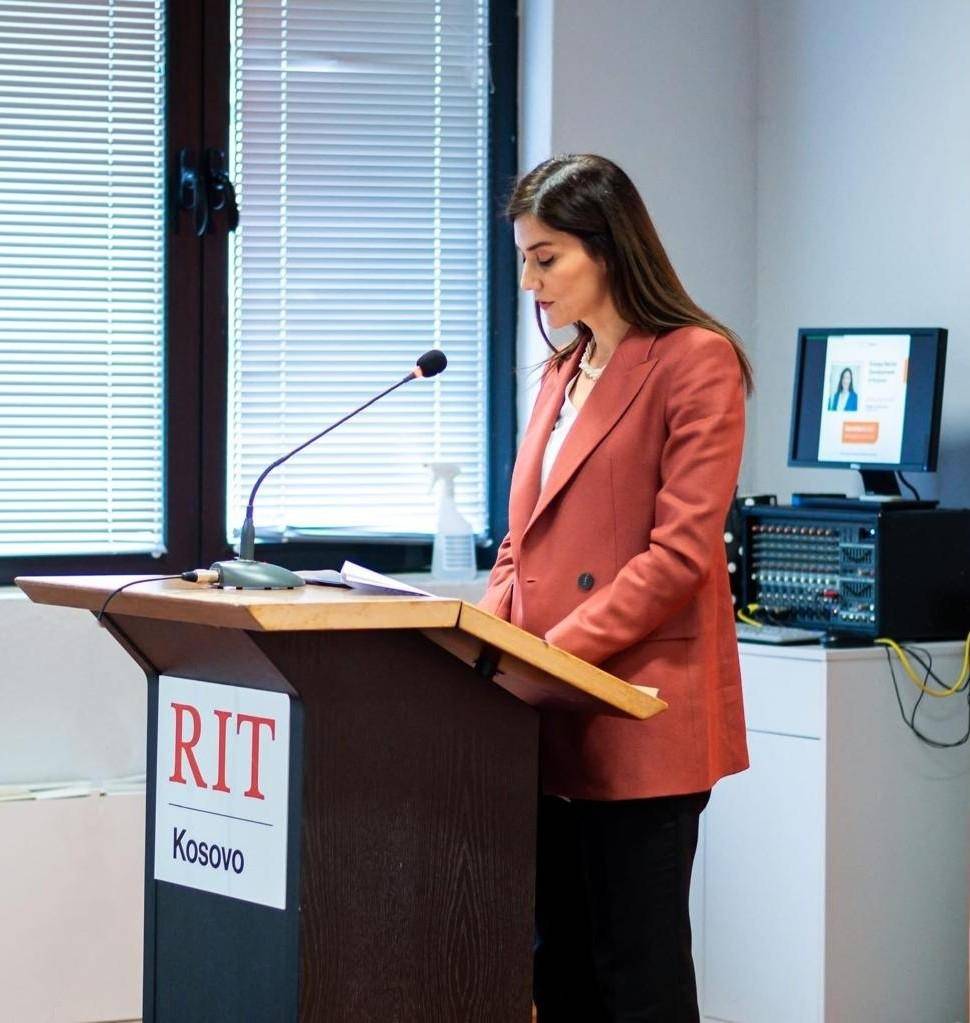
Teaching has been one of the most fulfilling parts of my career. At the Rochester Institute of Technology in Kosovo, I have taught global energy policy for eight years. I want my students to understand that energy is not only about infrastructure or kilowatts. It is about governance, equity, and human development.
I aim to help them see how responsible energy policies can drive sustainable and inclusive progress. Teaching is always a two-way exchange: I share knowledge, but I also learn from their perspectives, which keeps me inspired and optimistic about the sector’s future.
As a mentor for young professionals, what advice do you share with women starting their careers in energy and mining?
My advice is to be fearless and intentional. Do not let stereotypes or self-doubt hold you back. The energy and mining sectors need a wide range of expertise, including policy, engineering, innovation, communication, and finance.
Seek mentors who inspire you, build supportive networks, and apply for opportunities even when they seem out of reach. Growth happens when you step outside your comfort zone. Every achievement, no matter how small, helps pave the way for other women who will follow.
You’ve received recognition from several international institutions. Which achievement has been most meaningful to you personally, and why?
Being recognized by the University of York was especially meaningful. I completed one of my master’s degrees there as an Erasmus Mundus scholar, and being later honored by the same institution felt like coming full circle. I now volunteer as a mentor for new Erasmus students, helping them navigate academic and professional transitions.
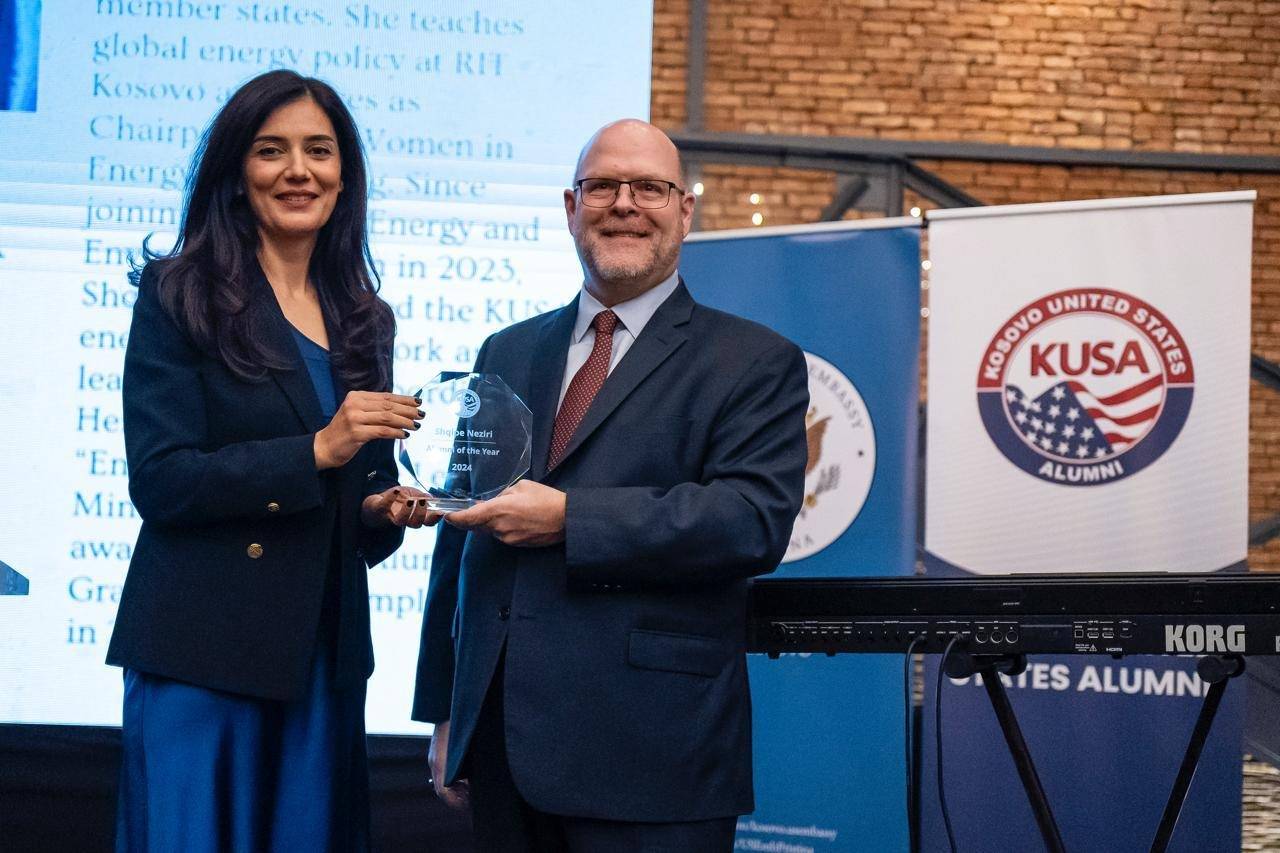
Recognition from the International Energy Agency and the Clean Energy Ministerial was also a source of pride. It is deeply rewarding to see the contributions of women from Kosovo being acknowledged on a global stage and to know that our local initiatives are making an international impact.
With such a demanding career, how do you maintain balance between your professional and personal life?
Balance is something I work on intentionally. My career involves travel and complex projects, so I prioritize time for family, reflection, and connecting with nature. Balance is not about doing everything at once.
It is about being fully present wherever you are, which helps me stay grounded and focused. Being a mother to two wonderful boys, Mal and Mat, keeps me grounded, reminds me of what truly matters, and gives me perspective in both my personal and professional life.
What projects or goals are you most excited about in the coming years?
Looking ahead, I am excited to continue strengthening EITI’s role in supporting countries to integrate transparency into the energy transition. I also hope to see Kosovo join EITI, which would help enhance governance and accountability in its extractive industries.
At the same time, I am deeply committed to empowering women in energy and extractive sectors both in Kosovo and internationally. Supporting the next generation of women leaders remains one of my top personal and professional priorities.