
For millions of women, childbirth still begins without clean water, safe conditions, or basic healthcare.
Packing a maternity bag should be one of the most fun parts of preparing to become a mother; a baby grow, tiny cotton hat, mittens, perhaps a lucky charm and that special blanket to wrap around your precious bundle.
The bag contains the hope and excitement of every expectant mother. While these feelings are shared by women the world over, their birthing experiences are often very different. What is inside a carefully prepared maternity bag often reveals a stark injustice in maternal health globally.
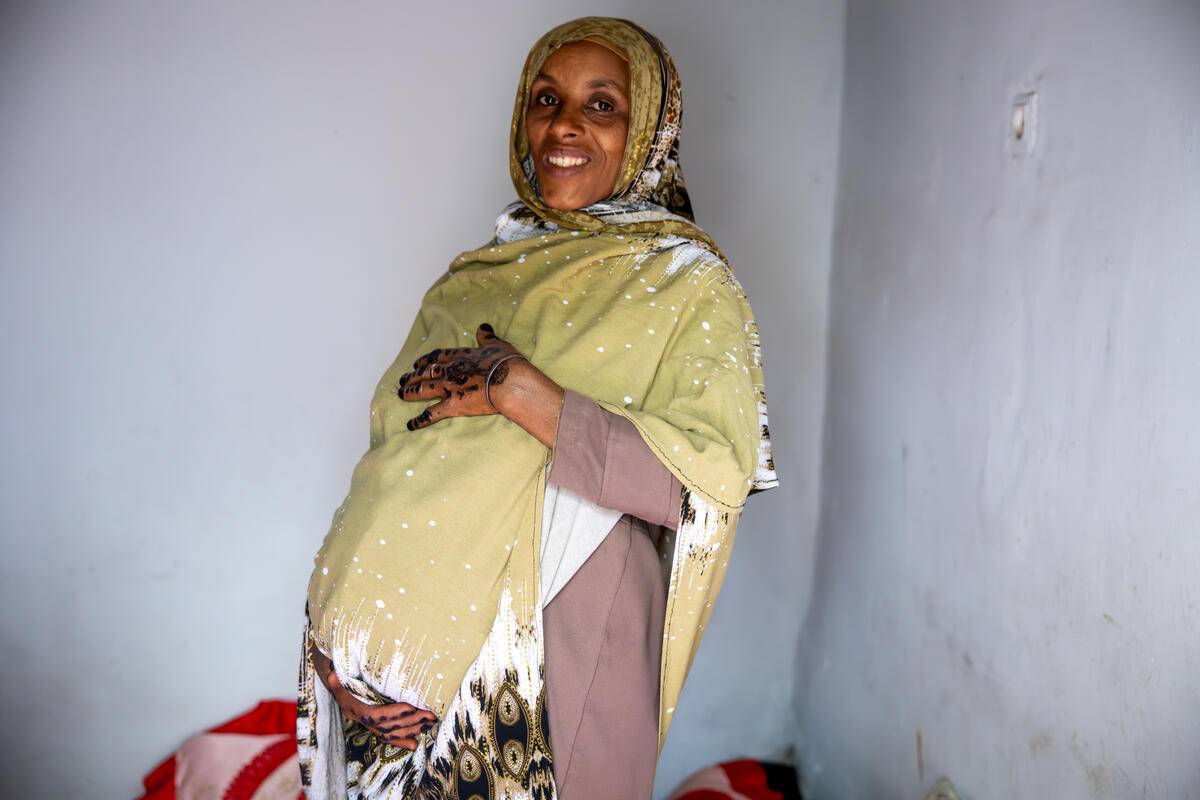
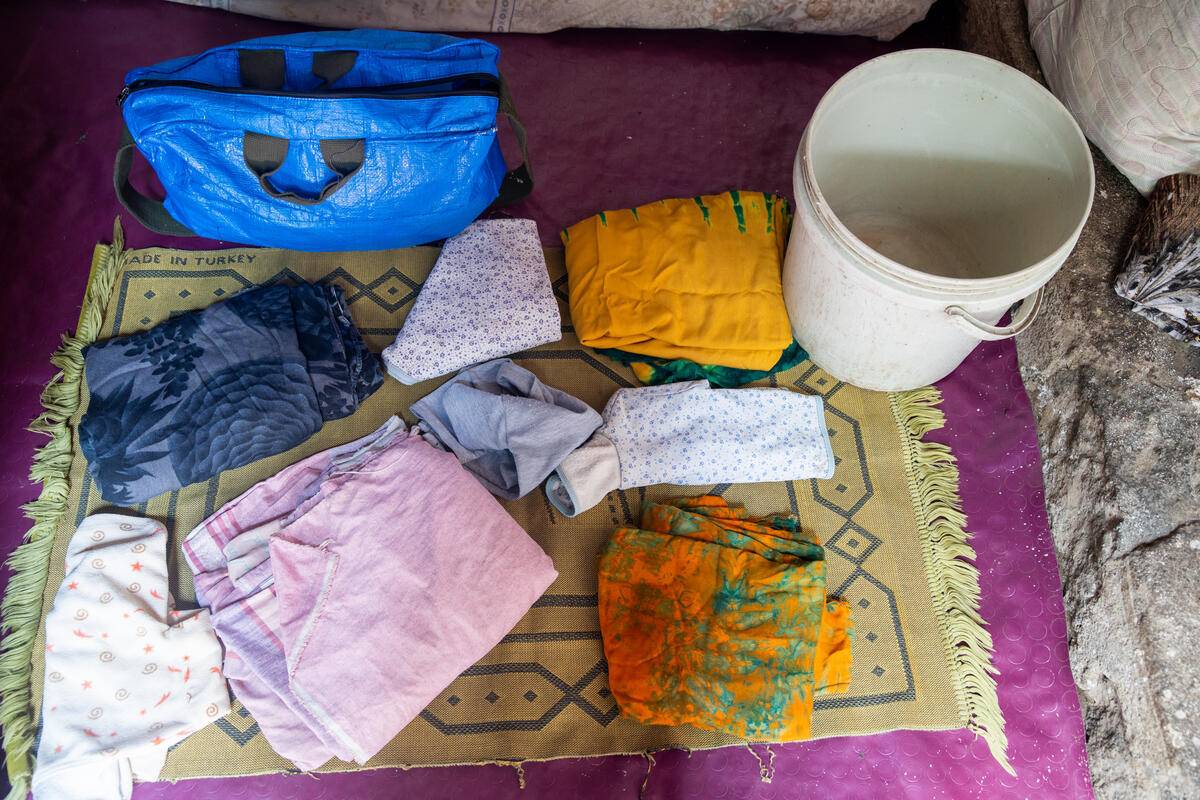
Anshiya Hussien, 28, is about to give birth to her sixth child. After her first was born she and her family were forced to move because of conflict between ethnic groups in her area. She’s now safe but the family survives on very little.
Home is a rural camp for internally displaced people in central Ethiopia, just south of the capital Addis Ababa. Water is scarce. When Anshiya gives birth, it’ll be at a health centre that doesn’t have clean running water. In preparing her maternity bag, Anshiya has had to consider items packed not for comfort, but for protection against a health system that is failing her and many other mothers.
“I haven’t made or bought anything new for my baby because I can’t afford it. Most of the clothes I prepared belonged to my older children. If my husband manages to earn some money, I (will) take a small amount of cash in case I need to buy drinks. I am also planning to take a water bucket because water may not be available at the health centre.”
Anshiya’s experience is all too common. Globally, a woman gives birth every two seconds without the basics like access to running water, a functioning toilet, soap and a clean environment. It exposes more than 16 million women each year to preventable, life‑threatening infections.
At the Gada Tokuma Health centre where Anshiya will give birth, there is a borehole outside and a tank to hold water but the pump often stops working as the electricity supply is unreliable. Even when the pump is working, the water isn’t safe to drink.
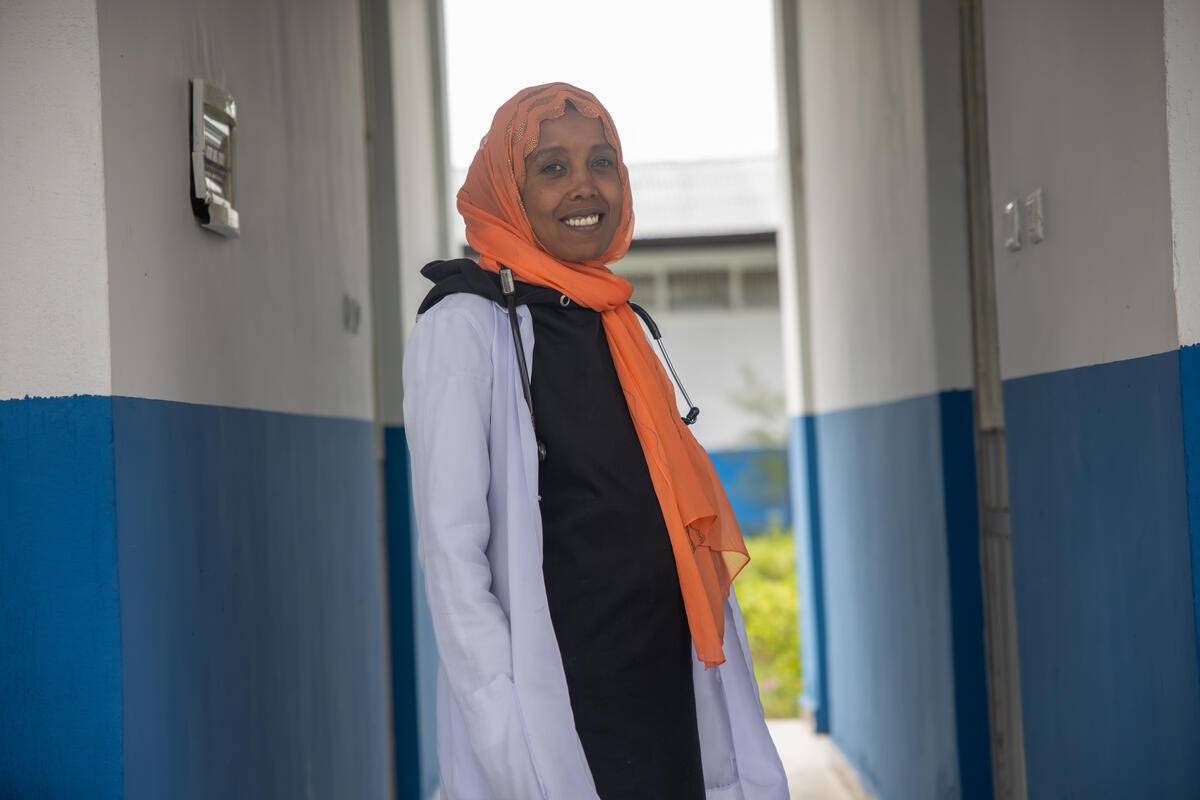
Hindiya Abdulkadir, a midwife who works there, explains:
“Sometimes, we go without water for more than a week, which makes our work extremely difficult. Although electricity is also a challenge, the lack of water is the most serious issue. Water is essential for everything we do.”
Just three and a half hours north in Ethiopia’s capital, Addis Ababa, lives Lloyid Aklilu. She’s 31, owns a hair salon and is preparing to welcome her second child into the world. Her maternity bag includes three pairs of pretty white and pink baby booties, a blanket and leopard print baby grow with red trim.
“Of all the items, the most meaningful one for me is the wrapping blanket my mother-in-law gave me. My husband was wrapped in it, and now his children are.”
Lloyid will be giving birth in a hospital which she describes as ‘excellent’. She’s aware that in rural areas health centres are often very different.
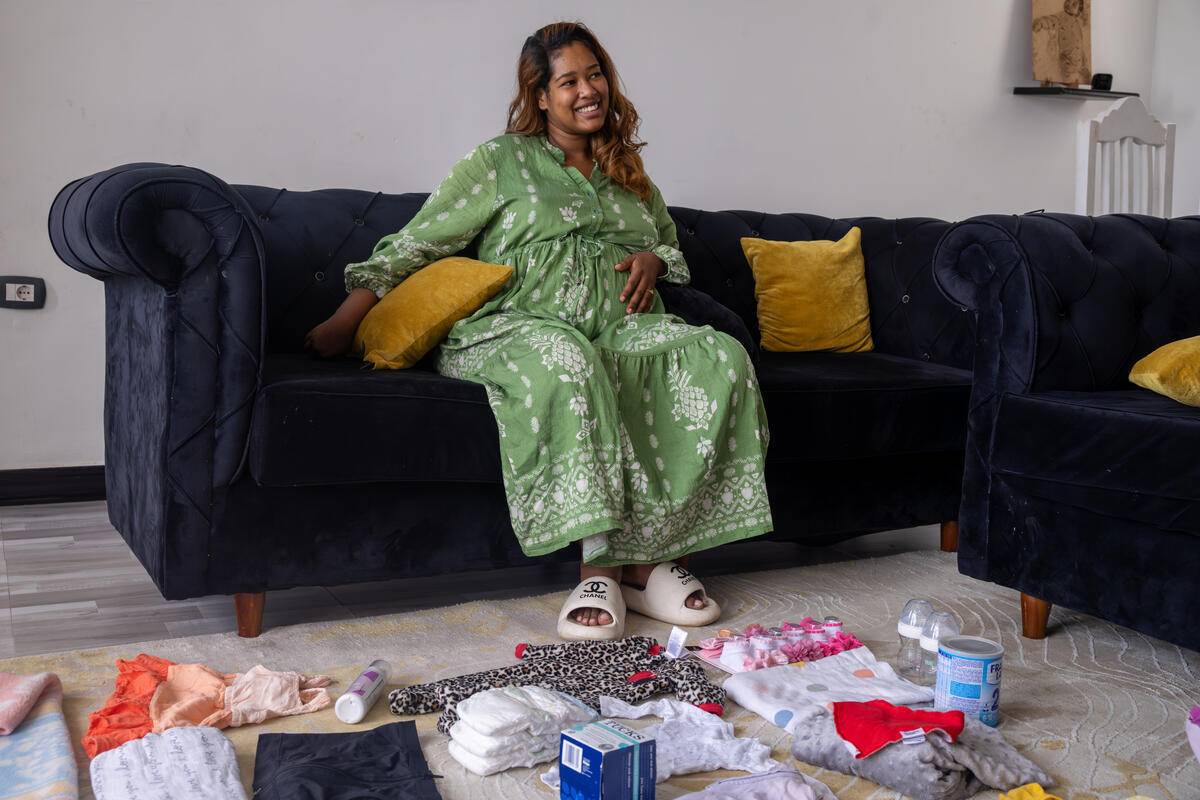
“People living in cities like Addis Ababa have the privilege of a better quality of life because they have easier access to basic services. However, when we consider the women across the country, many do not have access to even the most basic necessities.”
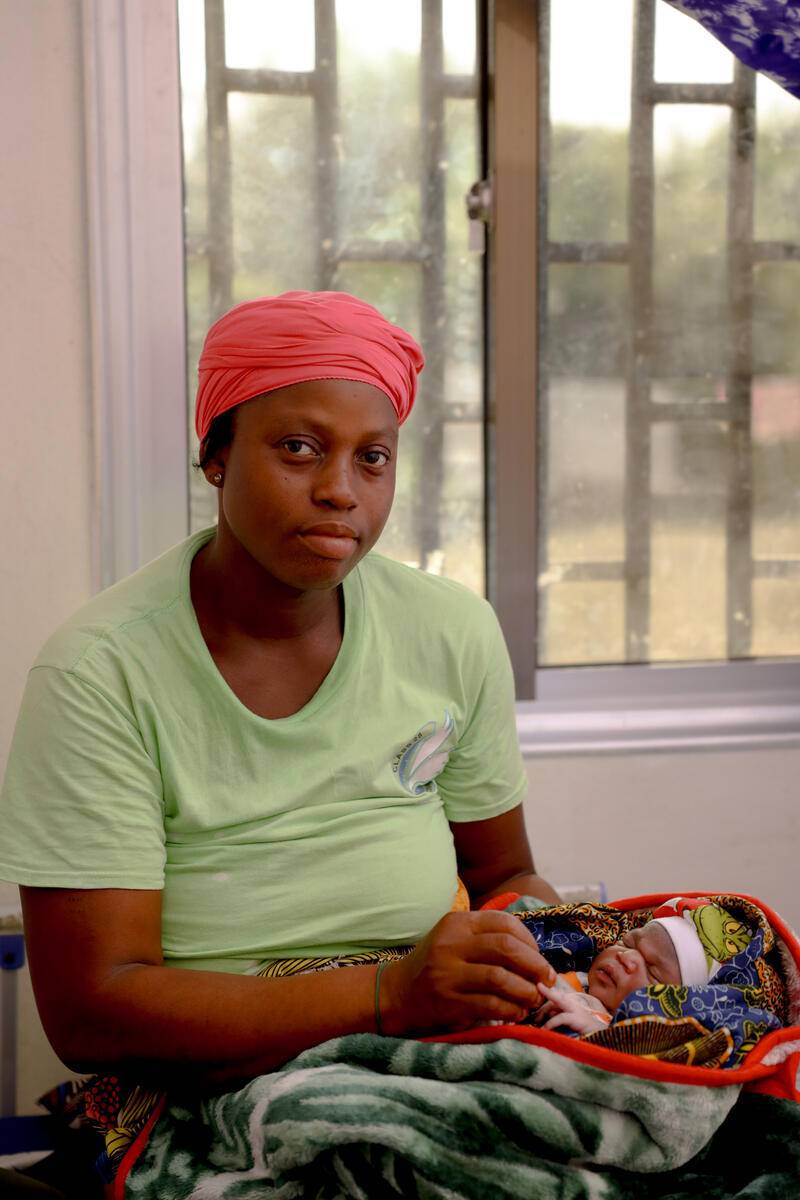
The international charity WaterAid says there are widespread failures to prioritise water, sanitation and hygiene across too many public health systems. Its recent research reveals three out of four women in sub-Saharan Africa give birth in ‘unsafe’ delivery rooms. Women, like Miatta Kromah from Liberia, say change is needed now.
Miatta gave birth to a healthy baby girl earlier this year at a rural health clinic where there was no clean running water:
“When the midwife leaves the labour or the delivery room to fetch water, before she comes back usually the women have given birth. I experienced this. I would like water to come here.”
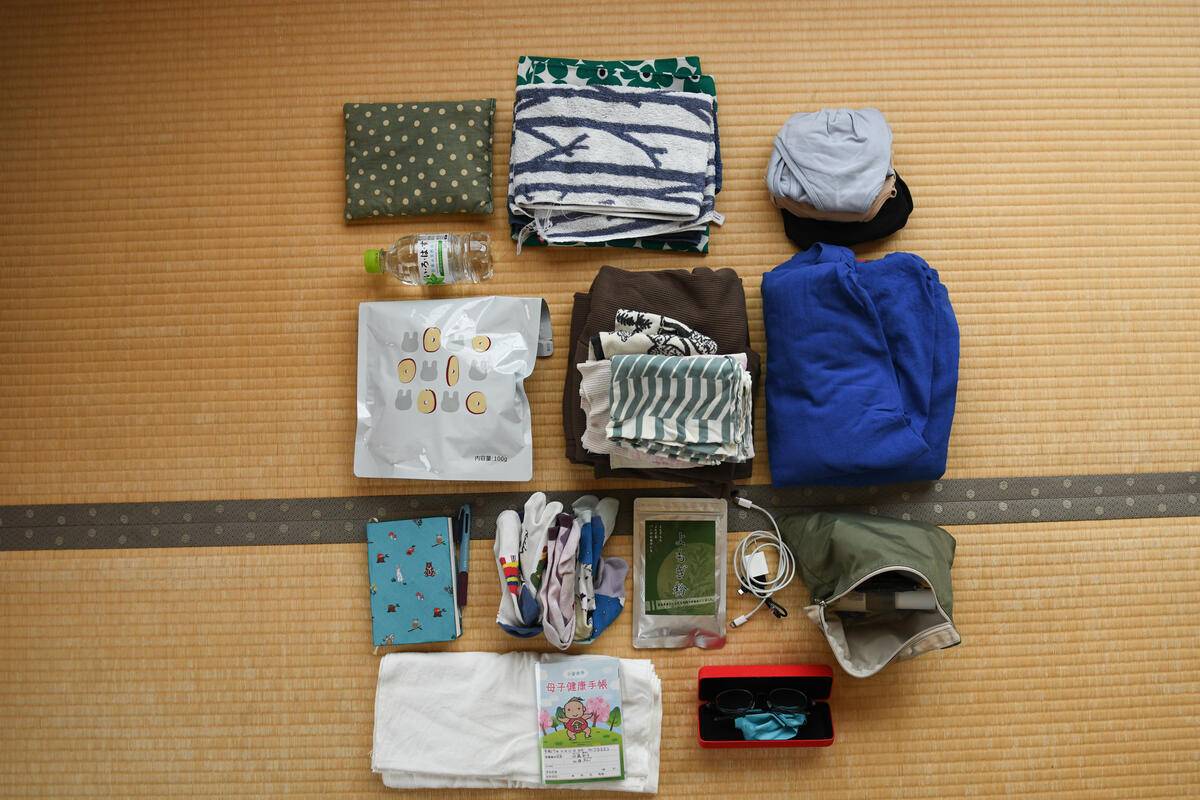
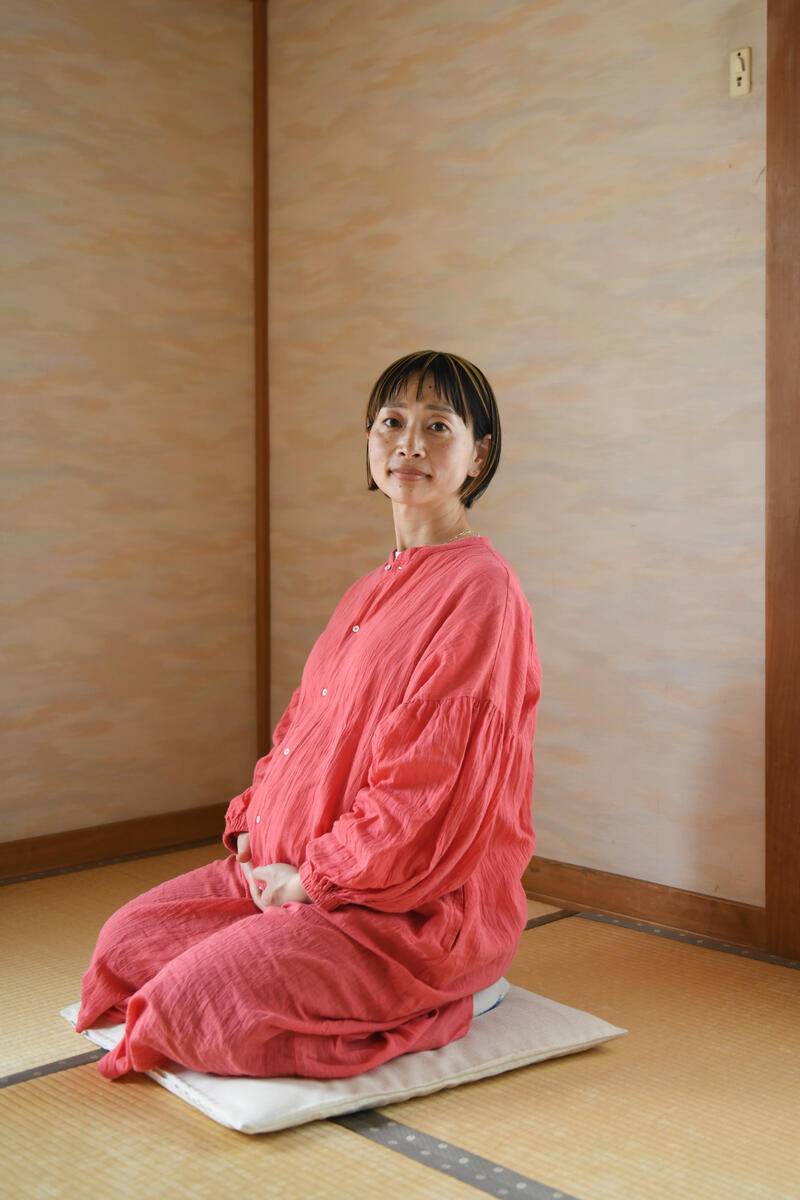
In Tokyo 43-year-old Ayako Kato is expecting her fourth child. She’s not packing much. In Japan it’s common for the health care centre to provide nappies, pyjamas and new baby clothes. What she will take along is a ‘safe childbirth’ charm bought by her husband.
“Experiencing pregnancy made me realise how demanding it is. The idea of adding extra stress, like dirty water or no access to decent toilets is just unimaginable. Women shouldn’t have to deal with unnecessary burdens like that.”
Time to Deliver, a global campaign to address these inequalities has been launched by WaterAid. Helen Hamilton is the charity’s Head of Policy for Public Health:
“These powerful stories reveal a stark truth: women’s safety and their birth experience is a dangerous lottery, determined by where you live. Too often, mothers preparing for birth must pack, not just baby clothes, but essentials their healthcare facilities lack. One in five facilities still does not have clean water and basic hygiene, meaning midwives cannot wash their hands properly or sterilise equipment, and women are forced to bring plastic sheeting, disinfectant, or water to keep themselves safe.
“The solution is simple and proven: clean water and good hygiene save lives. Governments and decision-makers must prioritise investment in these basic, lifesaving foundations of care. Women across the world are calling for change. It’s time to listen.”
WaterAid is calling on world leaders to take urgent action to ensure that every healthcare facility has access to clean water. This year, governments and world leaders have an opportunity to turn long-recognised commitments into measurable progress – protecting water finance, and mobilising action ahead of the UN Water conference in December.
You can join mothers and healthcare workers calling for change globally by supporting WaterAid’s Time to Deliver campaign and signing our global petition to world leaders. It is time for governments to deliver, for every birth, every woman, every future.