

Polycystic Ovary Syndrome (PCOS) is one of the most common hormonal conditions affecting women of reproductive age, yet it remains widely misunderstood. According to the World Health Organization, PCOS affects an estimated 8–13% of women worldwide, and many cases remain undiagnosed. Despite its prevalence, women often spend years searching for answers before receiving a diagnosis.
PCOS is not simply a reproductive health condition. It can affect hormones, metabolism, mental well-being, skin health, weight management, and fertility. Because symptoms vary significantly from person to person, understanding the condition is an important step toward effective management and long-term health.
What Is PCOS?
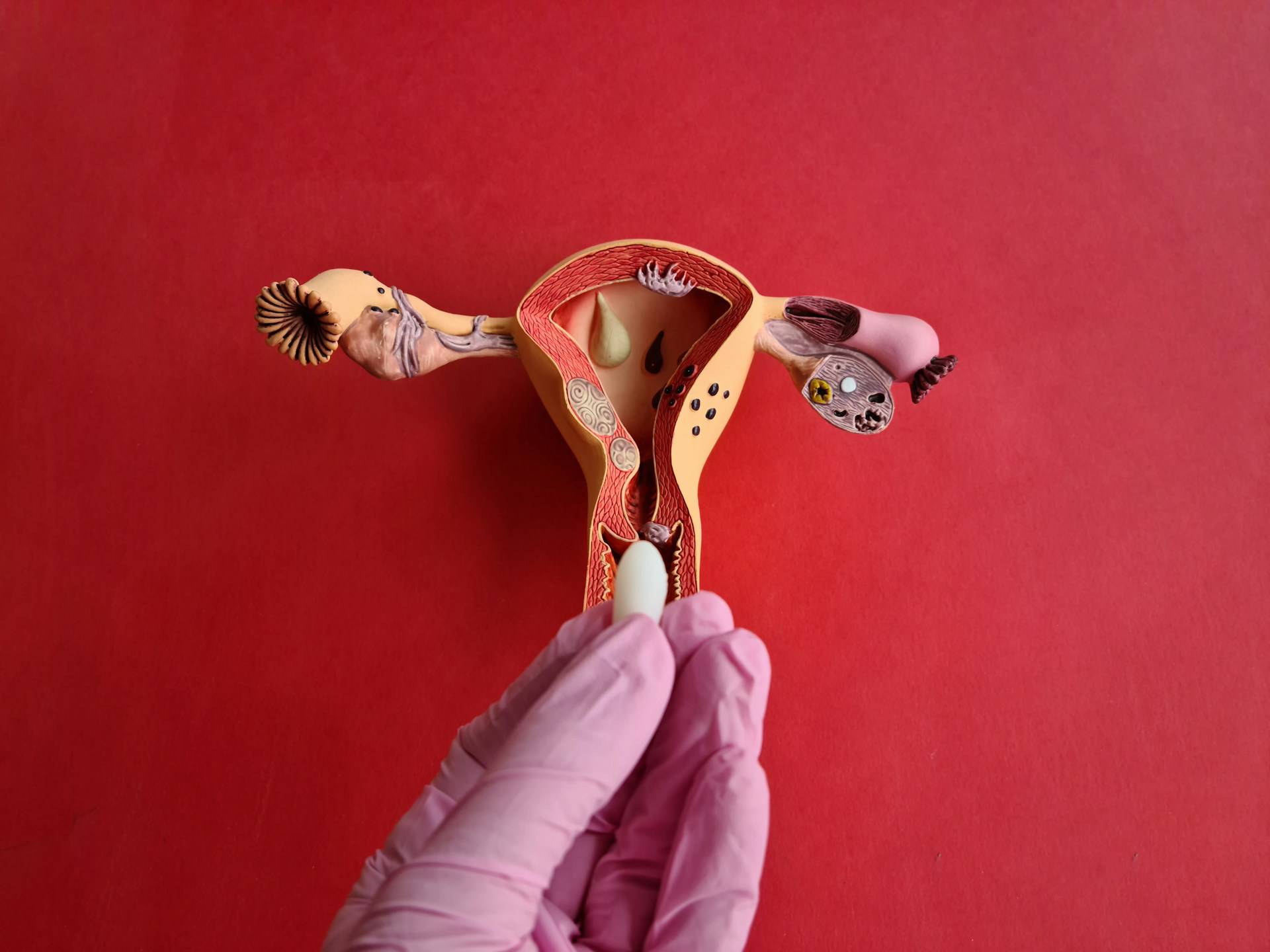
PCOS is a hormonal disorder that affects how the ovaries function. Women with PCOS may experience irregular ovulation, elevated levels of certain hormones known as androgens, and changes in ovarian function.
Despite the name, not every woman with PCOS develops ovarian cysts. In fact, the condition is diagnosed based on a combination of symptoms, hormone levels, and clinical assessments rather than the presence of cysts alone.
Researchers do not yet know the exact cause of PCOS, but genetics, insulin resistance, inflammation, and hormonal imbalances are believed to play important roles in its development.
Recognising the Symptoms
One of the challenges of PCOS is that symptoms can appear differently in every woman. Some experience only mild signs, while others face more significant health concerns.
Irregular menstrual cycles are among the most common symptoms. Periods may be infrequent, unpredictable, or absent altogether due to irregular ovulation. Some women also experience unusually heavy menstrual bleeding when periods do occur.
Elevated androgen levels can contribute to physical symptoms such as increased facial or body hair growth, acne, and thinning hair on the scalp. These changes can affect confidence and emotional well-being, particularly when symptoms appear during adolescence or early adulthood.
Weight gain or difficulty losing weight is another common concern. Research suggests that many women with PCOS experience insulin resistance, a condition that affects how the body uses insulin and regulates blood sugar. This can make weight management more challenging even when healthy habits are followed.
Some women may also experience fatigue, mood changes, sleep difficulties, or fertility challenges. Because symptoms overlap with other health conditions, professional evaluation is essential for an accurate diagnosis.

The Connection Between PCOS and Overall Health
PCOS extends beyond reproductive health. Studies have shown that women with the condition may face an increased risk of insulin resistance, type 2 diabetes, high blood pressure, elevated cholesterol levels, and cardiovascular disease later in life.
Mental health can also be affected. Research has found higher rates of anxiety, depression, and body image concerns among women living with PCOS. Hormonal fluctuations, visible symptoms such as acne or excess hair growth, and fertility-related stress can all contribute to emotional challenges.
This broader impact highlights why PCOS should be viewed as a whole-body condition rather than solely a fertility issue.
How PCOS Is Diagnosed
Diagnosing PCOS typically involves a combination of medical history, symptom assessment, physical examination, blood tests, and sometimes ultrasound imaging.
Healthcare providers often evaluate menstrual patterns, hormone levels, signs of excess androgen activity, and metabolic health markers. Because symptoms can develop gradually and mimic other conditions, diagnosis may take time.
Early identification is beneficial because it allows women to begin managing symptoms and reducing potential long-term health risks.
Lifestyle Strategies That Can Make a Difference
While there is currently no cure for PCOS, lifestyle changes are widely recognised as a cornerstone of effective management. Even modest improvements in daily habits can have meaningful effects on symptoms and overall health.
Regular physical activity has been shown to improve insulin sensitivity, support hormonal balance, and promote cardiovascular health. Exercise can also enhance mood and reduce stress levels, both of which are important for women managing a chronic condition.
Nutrition plays an equally important role. Many experts recommend focusing on balanced meals that include fibre-rich vegetables, whole grains, lean proteins, healthy fats, and minimally processed foods. Consistent eating habits can help support blood sugar regulation and energy levels throughout the day.
Sleep quality is another often-overlooked factor. Research increasingly links poor sleep to hormonal disruption, insulin resistance, and increased inflammation. Establishing healthy sleep habits may support both physical and emotional well-being.
Stress management is also essential. Chronic stress can influence hormone levels and make symptoms more difficult to manage. Practices such as mindfulness, meditation, yoga, and spending time outdoors may contribute to overall wellness.

Medical Treatment Options
Treatment plans for PCOS vary depending on a woman’s symptoms, health goals, and stage of life. Healthcare providers may recommend hormonal therapies to regulate menstrual cycles, medications to improve insulin sensitivity, or treatments targeting acne and excess hair growth.
For women trying to conceive, fertility-focused treatments may be considered. Advances in reproductive medicine have helped many women with PCOS successfully achieve pregnancy when desired.
Because every case is unique, treatment decisions should always be made in consultation with qualified healthcare professionals.
Living Well With PCOS
A PCOS diagnosis can initially feel overwhelming, but it does not define a woman’s future health, fertility, or quality of life. With appropriate medical care, informed lifestyle choices, and ongoing support, many women successfully manage symptoms and lead healthy, fulfilling lives.
Greater awareness and education are helping to change the conversation around PCOS. As understanding grows, women are becoming better equipped to recognise symptoms, seek timely care, and advocate for their health.
A Note from Femest
At Femest, we believe women deserve clear, evidence-based information about conditions that affect their health and well-being. PCOS can present unique challenges, but knowledge is a powerful tool. Understanding your body, seeking professional guidance, and making sustainable lifestyle changes can help you take control of your health journey with confidence. If you suspect you may have PCOS or have concerns about your symptoms, speaking with a healthcare professional is an important first step toward finding the support and answers you deserve.