

Everyone talks about pregnancy, birth plans and newborn care. But who talks about intimacy after childbirth?
Pregnancy, birth plans, and newborn care often dominate conversations during pregnancy. Yet one important topic frequently receives far less attention: sexual wellness after childbirth. Many women are surprised by the physical, emotional, and relationship changes that can affect intimacy during the postpartum months.
The reality is that childbirth can influence everything from hormone levels and body confidence to sexual desire and physical comfort. These changes are common and entirely normal, yet many women feel unprepared for them.
Open conversations about postpartum sexual wellness matter because intimacy is closely connected to overall well-being, relationship satisfaction, and emotional health. By understanding what to expect and recognising that recovery looks different for everyone, women can approach this stage of life with greater confidence, patience, and self-compassion.

Understanding Postpartum Recovery
The Body’s Healing Process
After childbirth, the body begins a remarkable healing process. Whether a woman gives birth vaginally or via caesarean section, recovery requires time and care.
Women who experience vaginal births may need to heal from stretching, tearing, or episiotomies. Those who have caesarean births are recovering from major abdominal surgery. Both experiences involve physical healing, hormonal adjustments, and significant lifestyle changes.
Hormone levels shift dramatically after delivery. Oestrogen levels decline, particularly in breastfeeding mothers, which can affect vaginal lubrication and sexual comfort. At the same time, sleep deprivation, fatigue, and the demands of caring for a newborn can influence both physical and emotional well-being.
Pelvic floor muscles, which support the bladder, bowel, and reproductive organs, may also require time to recover. Because every birth experience is different, recovery timelines vary widely from one woman to another.
When Is It Safe to Resume Sexual Activity?
Understanding Readiness Beyond a Timeline
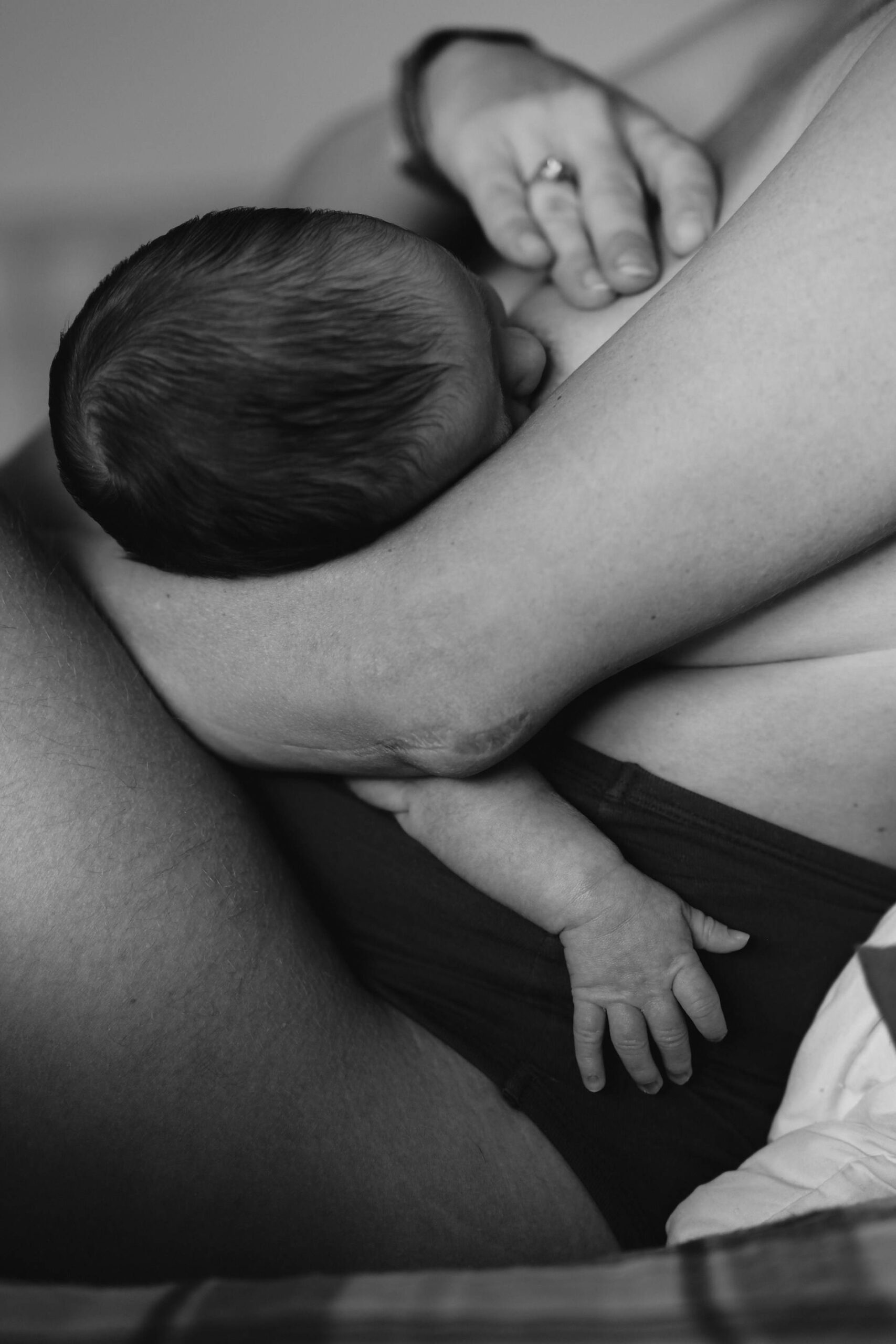
Healthcare providers commonly recommend waiting until postpartum bleeding has stopped and healing is progressing before resuming sexual activity. Many women discuss this during their postpartum check-up, which typically takes place several weeks after birth.
However, medical clearance is only one part of the equation. Emotional readiness, energy levels, comfort, and confidence all play important roles.
Some women may feel ready within weeks, while others may need several months. There is no “right” timeline. The most important consideration is listening to your body and communicating openly with your healthcare provider and partner about any concerns.
If pain, discomfort, or anxiety persists, additional recovery time or professional support may be beneficial.
Common Physical Changes That Can Affect Sexual Wellness
What Many Women Experience
Postpartum sexual wellness can be influenced by several physical changes.
Vaginal Dryness –Lower oestrogen levels, especially during breastfeeding, can lead to vaginal dryness. Water-based lubricants and moisturisers can often help improve comfort.
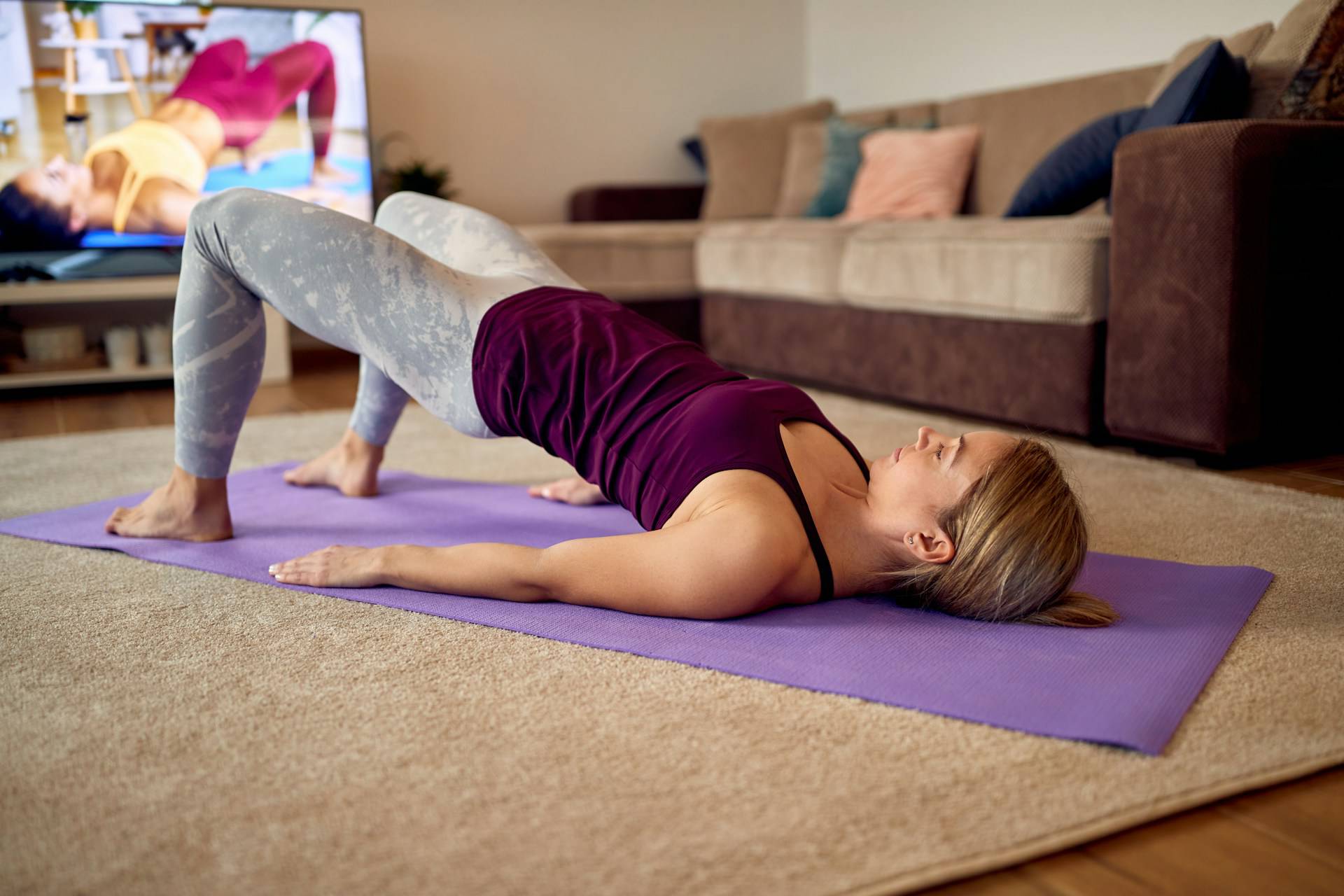
Pelvic Floor Discomfort –Pelvic floor muscles may feel weakened, tight, or sore after childbirth. Gentle pelvic floor exercises can support recovery and improve function over time.
Perineal Healing- Women who experienced tears or stitches may notice tenderness during healing. Gradual progression and patience are essential.
Changes in Sensation-Some women report altered sensation during intimacy. This is often temporary and improves as tissues heal and strength returns.
Body Changes After Pregnancy-Stretch marks, weight changes, breast changes, and abdominal differences can affect how women feel about their bodies. These changes are normal parts of the postpartum journey, although adjustment can take time.
The Emotional Side of Intimacy After Childbirth
More Than Physical Recovery
Physical healing is only one aspect of postpartum recovery. Emotional well-being also plays a significant role in sexual wellness.
Many women experience changes in body image after giving birth. A body that has carried and delivered a baby may look and feel different. While these changes are natural, they can influence confidence and comfort with intimacy.
New motherhood can also bring stress, anxiety, and emotional exhaustion. Constant caregiving responsibilities, disrupted sleep, and shifting family dynamics often leave little energy for romance or sexual connection.
Postpartum mood disorders, including anxiety and depression, may further affect desire and emotional readiness. Seeking support when needed is an important part of recovery and should never carry stigma.
Rebuilding Intimacy at Your Own Pace
Creating Connection Without Pressure
Intimacy does not begin or end with sexual activity. In many cases, rebuilding emotional connection is the first step toward restoring physical intimacy.
Open communication is essential. Partners benefit from discussing expectations, concerns, and feelings honestly rather than making assumptions.
Simple acts such as holding hands, cuddling, sharing meaningful conversations, or spending uninterrupted time together can strengthen emotional bonds during this transition.
Allowing intimacy to develop gradually helps remove pressure and creates space for comfort, trust, and mutual understanding.
Why Pelvic Floor Health Matters
Supporting Comfort and Confidence
Pelvic floor recovery is an important but often overlooked aspect of postpartum wellness.
These muscles support bladder control, bowel function, and sexual health. Pregnancy and childbirth can place significant strain on them, leading to weakness or dysfunction.
Regular pelvic floor exercises, when recommended by a healthcare professional, may improve muscle strength, stability, and comfort during intimacy.
In some cases, women may benefit from working with a pelvic floor physical therapist. These specialists can assess individual concerns and provide personalised treatment plans that support recovery and long-term wellness.
When to Seek Professional Support
Signs Additional Help May Be Needed
Professional guidance should be considered if any of the following occur:
Persistent pain during intimacy
Severe vaginal dryness that does not improve
Ongoing pelvic floor dysfunction
Urinary leakage or bowel control issues
Significant loss of sexual desire causing distress
Relationship challenges related to intimacy
Symptoms of postpartum anxiety or depression
Healthcare providers, pelvic floor therapists, mental health professionals, and sexual health specialists can all play valuable roles in supporting recovery.
Common Myths About Sex After Childbirth
Myth: Recovery happens quickly for everyone.
Fact: Recovery timelines vary significantly based on birth experience, health, and individual circumstances.
Myth: Pain during sex is normal and must be tolerated.
Fact: While temporary discomfort may occur, persistent pain should be evaluated by a healthcare professional.
Myth: Loss of desire is permanent.
Fact: Sexual desire often fluctuates during the postpartum period and may improve as physical recovery and emotional adjustment progress.
Myth: Intimacy should return to normal immediately.
Fact: Most couples need time to adapt to new routines, responsibilities, and changes in their relationship.
A Holistic View of Postpartum Sexual Wellness
Sexual wellness is not separate from overall health. Physical healing, emotional well-being, relationship support, sleep, nutrition, stress management, and self-care all contribute to a woman’s experience of intimacy after childbirth.
Rather than focusing on returning to a previous version of normal, many women benefit from embracing a new understanding of wellness that reflects their current needs and circumstances.
Patience, realistic expectations, and compassionate self-care can make a meaningful difference throughout recovery.
A Note from Femest
At Femest, we believe women’s health conversations should extend well beyond pregnancy and childbirth. Postpartum recovery is deeply personal, and every woman’s experience with intimacy, confidence, and sexual wellness deserves understanding rather than judgement.
If there is one message we hope readers take away, it is this: there is no perfect timeline for healing. Your body, emotions, and relationships may evolve in ways you did not expect, and that is entirely normal. Giving yourself grace, seeking support when needed, and prioritising your well-being are important parts of recovery.
Most importantly, remember that sexual wellness is not about meeting expectations. It is about feeling healthy, comfortable, connected, and empowered in your own body. You deserve accurate information, compassionate care, and the confidence to navigate this stage of life on your own terms.