
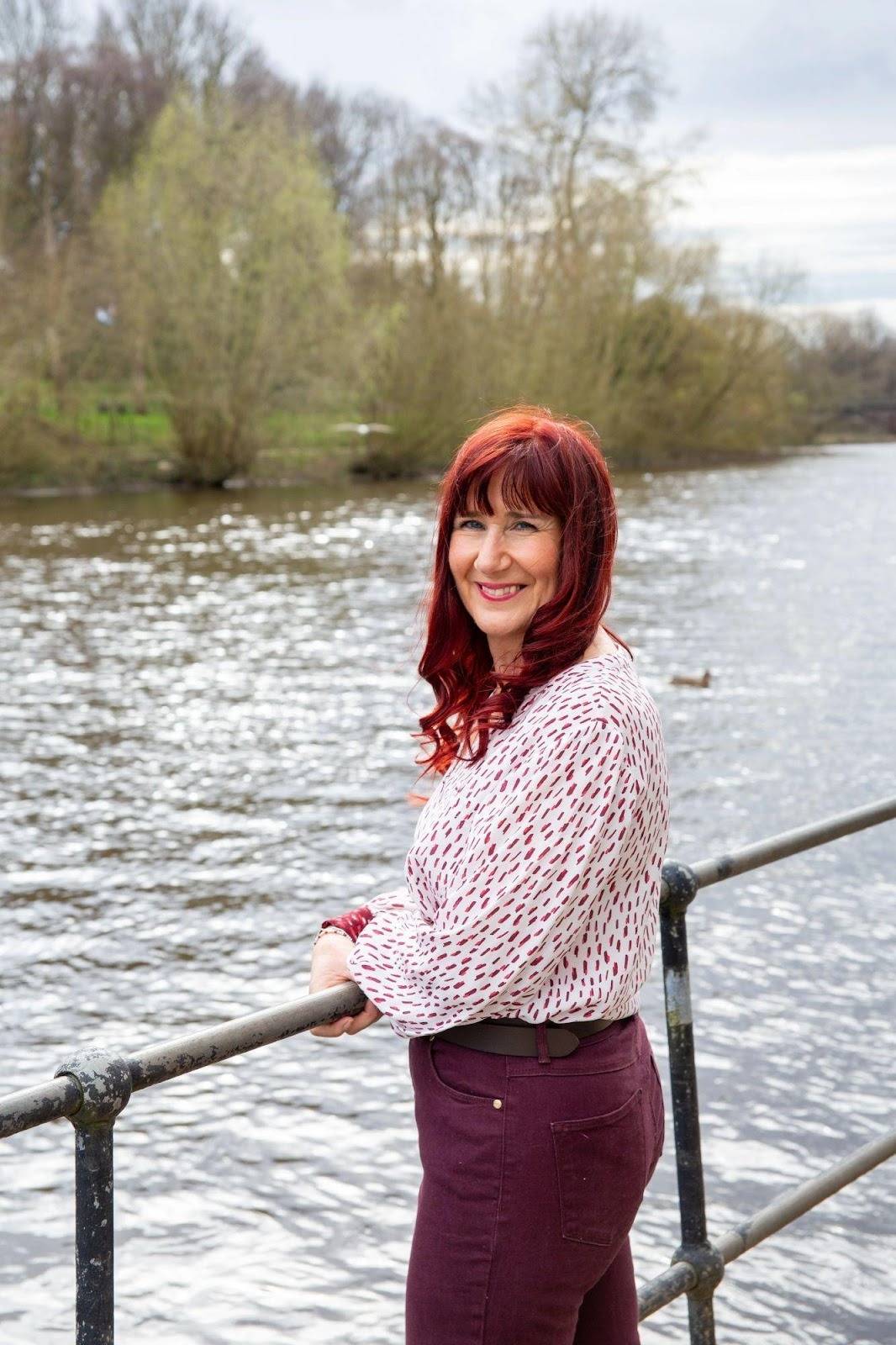
Her journey began with a quiet question: Why do we hold ourselves back even when we want to rise? From early curiosity to decades of deep inner work, she learned how the mind shapes every step we take. Her story is one of breaking old patterns, finding inner clarity, and helping others unlock the strength they never knew they had. In this interview, she shares her powerful path of transformation.
Can you share a bit about your early journey and what first got you interested in the human mind?
My interest in the human mind began simply with profound curiosity. For me personally, I had a sense that there must be more. It’s like I knew I didn’t have to feel this sense of doubt and uncertainty.
This was in my early 20’s and for over 30 years, I’ve been driven by a burning desire to understand why we, as brilliant, ambitious individuals, constantly manage to sabotage the very success we consciously seek.
I realised very early on that our greatest limitations aren’t external; they are deeply rooted in the unconscious scripts we run. That initial curiosity was the anchor for everything that followed a search for the root cause of human friction.
What led you to become a Transformational Mind Coach and start 2minds?
I originally trained as a counsellor and CBT therapist, and worked in the NHS for over 20 years. As I developed my skills in different styles of coaching and other approaches, I found that traditional, surface-level coaching models were only treating symptoms.
I saw clients achieving short-term goals only to crash back into old patterns. I knew true change required a fundamental internal shift. That led me to found 2minds. The name reflects my core philosophy: true transformation only occurs when the conscious and subconscious minds align.
I built 2minds as the platform to deliver that deeper, neuroscience-backed approach to move people from short-term fixes to lasting, unshakeable alignment.
Over the 30 years you’ve worked with people, how has your coaching style or approach changed?
My approach has shifted from a traditional, goal-focused model to an unconscious-first model. Early on, I was encouraging people to navigate the map they already had. Now, I show them how to rewrite that map.
My style is now about releasing the impact of the past. We don’t only look at goals and reality. We go deeper into what holds someone back and bring unconscious beliefs into clear focus. It’s about being effective, not just busy.
Was there a moment when you realised your coaching had a real impact on someone’s life? Can you share it?
One client, a senior leader, was caught in a chronic cycle of self-sabotage, constantly pulling back just as she was about to secure a major promotion. She was frustrated because she consciously wanted the success.
Through our work, we identified an unconscious belief, an ‘anchor’ that linked high visibility to past emotional risk. Once we brought that unconscious driver into the light and neutralised its emotional charge, she secured the promotion effortlessly.
The realisation wasn’t just that she got the job, but that she finally had the unprecedented clarity to understand why she had been stalling for years. That profound sense of freedom is why I do this work.
How do you help clients deal with imposter syndrome and build lasting confidence?
Imposter Syndrome is the classic manifestation of many behaviours that generally happen to successful people. We tackle it with my REWIRE methodology. First, we explore and neutralise the past experiences that installed the original feeling of ‘not being enough.
Second, we implement Language Lockdown. We audit the client’s internal script, the destructive self talk and replace those limiting beliefs with language that is supportive and possibility focused. By aligning their language and their internal beliefs, we build confidence that is internally supported, not reliant on external validation.
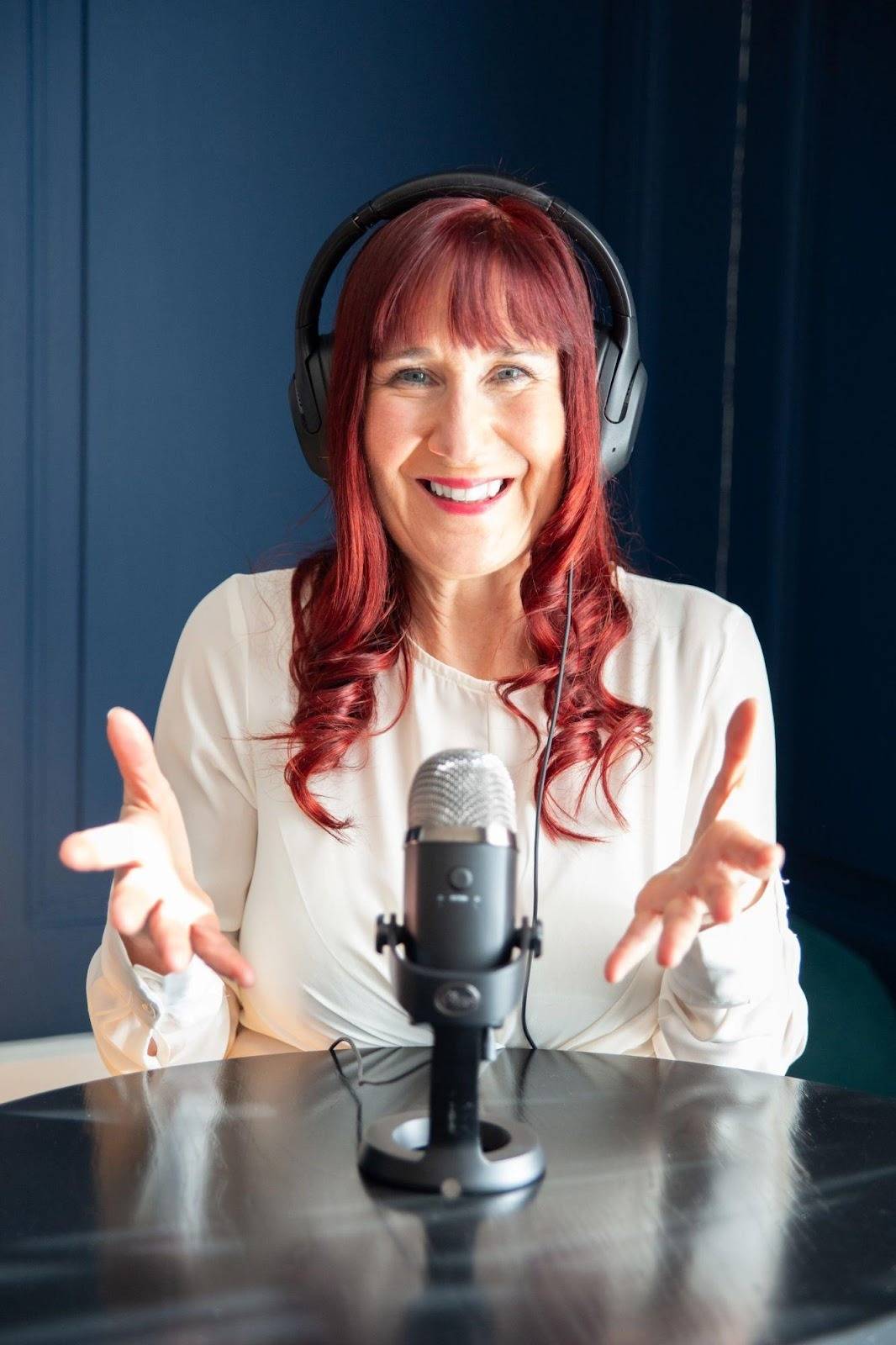
Neuroscience plays a big role in your work. How do you turn it into practical tools people can use every day?
Neuroscience is the ‘why’ behind the ‘how.’ For instance, I use models to help understand triggers to the threat response in the mind. Untapped these responses can lead to people getting defensive or anxious. My work is experiential, in that I use real situations and help to realise their own internal ‘threat state’ in real-time.
Instead of getting reactive in a difficult conversation, they can use that framework to manage their emotional regulation, reducing defensiveness, and intentionally creating an environment of psychological safety. It moves abstract theory into concrete, observable actions that transform daily interactions.
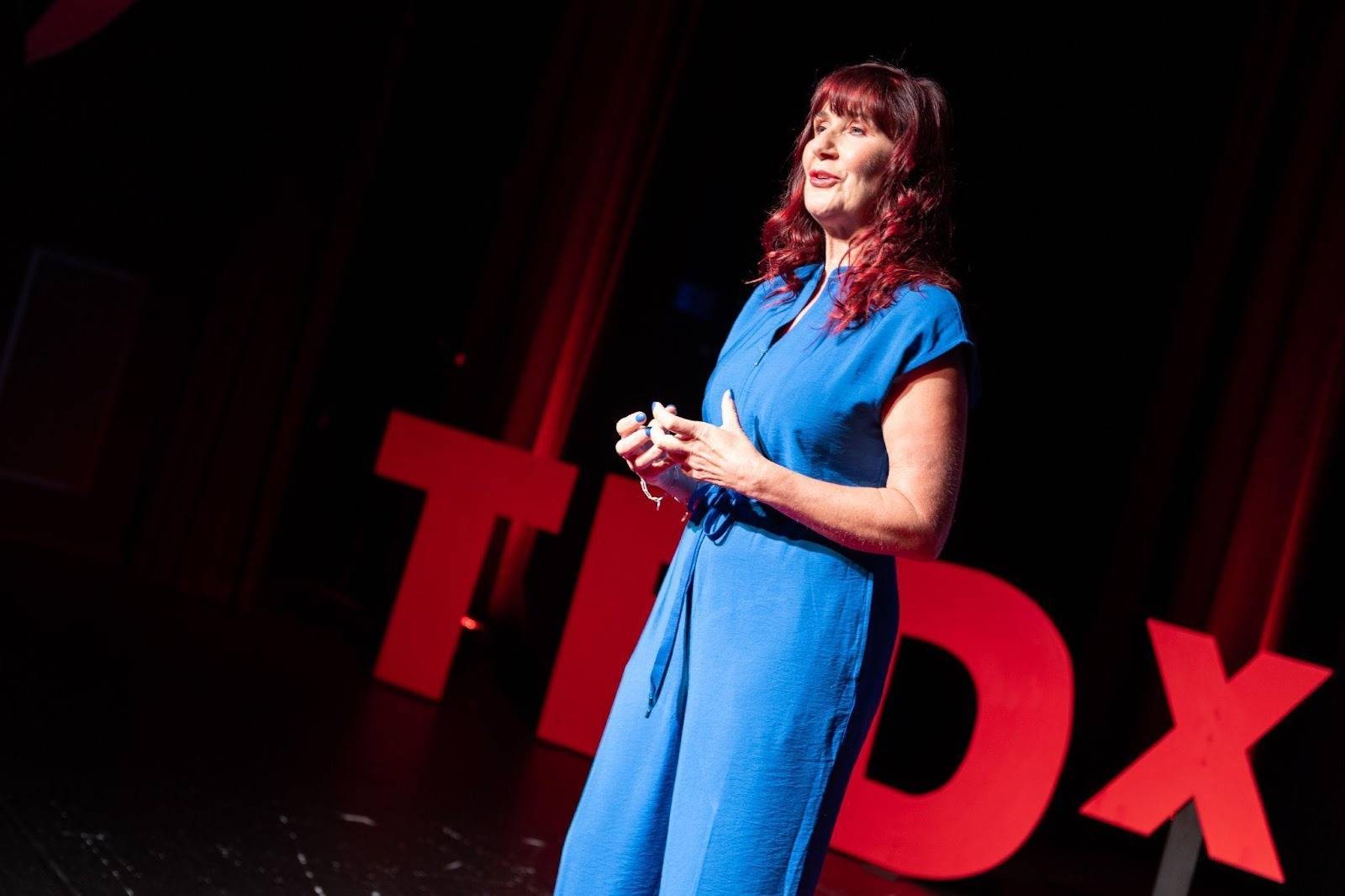
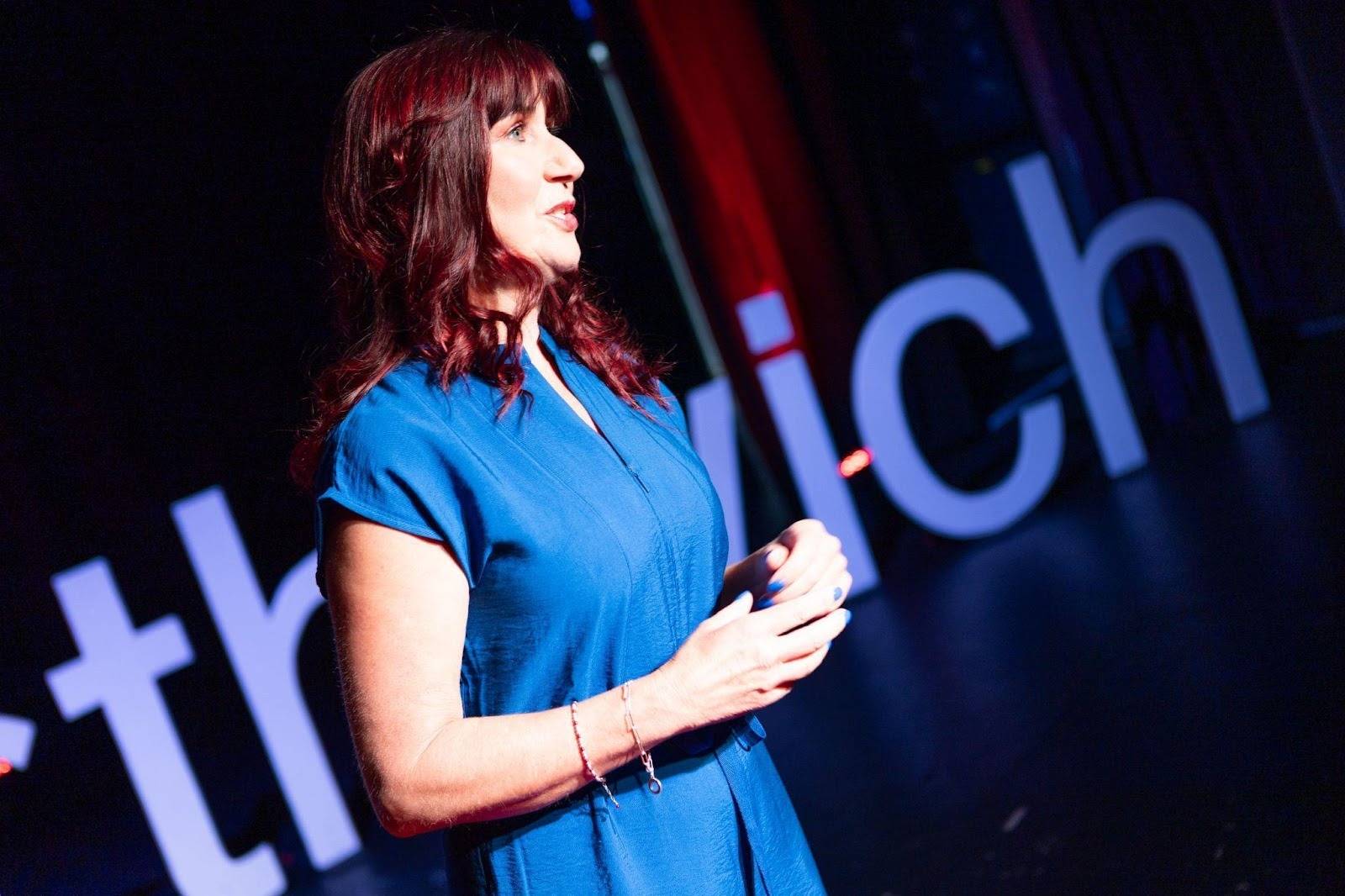
Your TEDx talk addressed age related biases at work. What inspired you to speak on this topic?
My core mission is to expose the hidden biases and unconscious scripts that limit human potential. Age related bias fits perfectly into this. It’s a limiting belief, a social script that restricts the contribution of brilliant people simply based on an arbitrary number.
Whether it’s an ambitious young person being dismissed as ‘inexperienced’ or a seasoned professional being overlooked, the cost to an organisation is immense. I was inspired to challenge the audience to unhook from these outdated assumptions and empower all generations to operate at their best.
From your experience, what makes a workplace truly inclusive and high-performing?
It is not artificial harmony. A truly high-performing workplace is defined by radical accountability built on a foundation of psychological safety. This means the team has enough trust to engage in constructive conflict without fear of personal reprisal.
They are equipped with frameworks like understanding drama to avoid wasting energy on blame and instead shift to empowerment roles. An inclusive environment is one where systems and norms ensure every person can contribute their ideas from a place of adult maturity.
Is there a personal habit or mindset practice that helps you stay resilient in your career?
Like any human, the external pressures of a busy life can trigger old anxieties. I dedicate time each week to auditing my internal self-talk identifying those destructive phrases and instantly replacing them.
I also constantly check that my actions and decisions are flowing from my core values, not external pressure or obligation. If I’m not aligned, I know my energy will be drained, so I make sure my two minds are always working in harmony.
Many people find difficult conversations stressful. What’s your advice for handling them confidently?
The stress doesn’t come from the conversation itself, but the fear of the emotional response. My advice is twofold: First, master the delivery. Use a structured approach to ensure your feedback is objective, one that focuses on observable behaviour, not personality, and includes a clear request for future action. Second, manage your state.
Learning to master staying calm and adopt a rational adult state takes practice, regardless of the other person’s reaction. This prevents the conversation from derailing into blame or defensiveness.
What’s one common misconception about personal growth or coaching that you often hear?
The biggest misconception is that personal growth is just about ‘believing in yourself’, fixing flaws or achieving short-term goals. People think they just need a better to-do list or a new time-management technique.
The truth is, that’s just surface-level. Real, lasting change is about rewiring the core operating system – the beliefs, values, and mindsets that shape our actions. It requires getting into the unconscious, unhitching the past, and shifting one’s entire perspective on what is possible. It’s an inner journey first, and then the external results follow naturally.
Looking ahead, what kind of impact or legacy do you hope to leave through your work with individuals and organisations?
I hope to leave a legacy of fundamental alignment to shift the industry’s standard of personal and professional development away from temporary fixes toward deep, lasting internal transformation.
I want to empower a generation of leaders and professionals to operate with unprecedented clarity and courage, free from the drama and limitations of their past. My goal is for every client to understand that their greatest power lies not in their hustle, but in the seamless, empowered operation of their two minds.
Editor’s Note
While preparing this feature, I was struck by how deeply her work connects with real human struggle and growth. She speaks with honesty about the fears we hide and the breakthroughs we all hope for. Her path shows that change is possible when we look within and choose courage. I am honoured to bring her voice to our readers, and I hope her story inspires you as much as it inspired me.