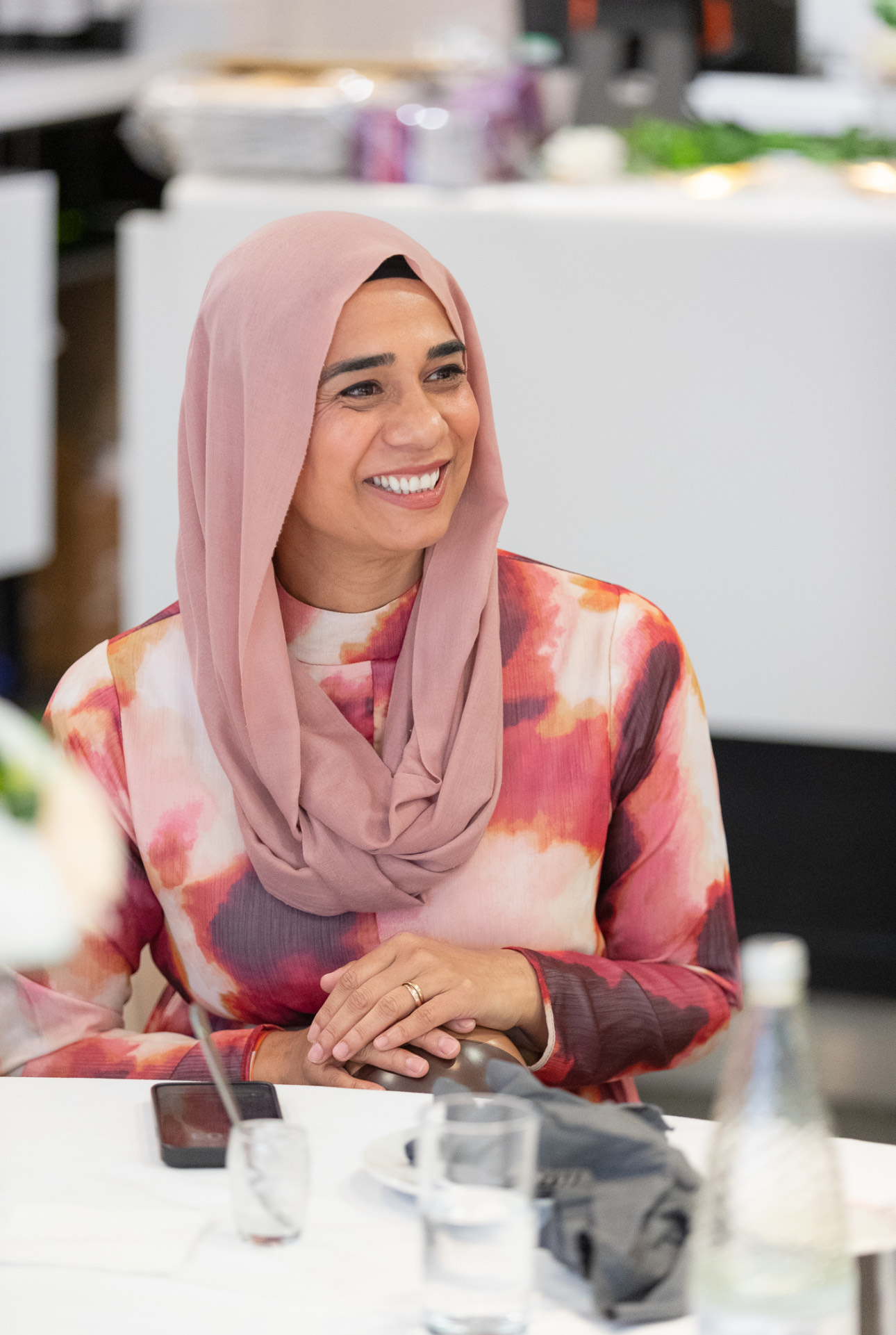
Dr. Nighat came to the UK at nine with big dreams. Today, she’s a doctor, author, medical broadcaster, podcaster, and women’s health advocate. In our interview, she shares her journey from NHS work to private practice, writing The Knowledge, and tackling myths on social media. A story of passion, resilience, and helping women take charge of their health.
Dr. Nighat, could you tell us a little about your background and how your journey into medicine began?
I came to the UK aged 9 years old from Pakistan. I was born in 38 Fateh Bahawalnagar and my father moved to England for his work. I was so excited to arrive in the UK. I knew no English but this was an opportunity to learn. I immediately ‘inhaled’ all kinds of knowledge, as soon as I could from those around me.
As a Pakistani Muslim girl, I wanted to explore and feed my curiosity by going on to do medicine. The way the human body works has always fascinated me. I grew up knowing that education would be my key to freedom. As a woman, I wanted to have my own identity, my own title, so that I could be free from the shackles of being someone’s daughter or someone’s wife. I wanted to have achievements in my own right.
A vocational career in medicine for me, did that and still fulfills everything for my inquisitive, dyslexic brain. I went to Queen Mary Barts and the London to study medicine in 2002, and by 2007, I had my MBBS degree to practice medicine.
What made you interested in focusing on women’s health and family care?
I found that the variety in family health is immense. In my GP surgery, I can see anyone from 1-day-old to 100years old. I am equally fascinated by the female anatomy- the way the hormones interplay with the cognitive function, our menstrual cycle, and transcend the whole biological lifespan.
The female body has remarkable resilience, adaptability and the capacity to endure whilst coping with heavy, painful periods, plan parties, give birth and thrive in the workplace. Also, as a doctor, I wanted to give back to the women in my community, where medical knowledge can be very scant. I speak Punjabi, I have lived experience, so I wanted to share that knowledge in a lexicon that my punjabi women could understand. We don’t have all the answers, ethnic women are left out of research, and also still, women are seen as a marginalized group when it when to the gender bias we have in medicine.
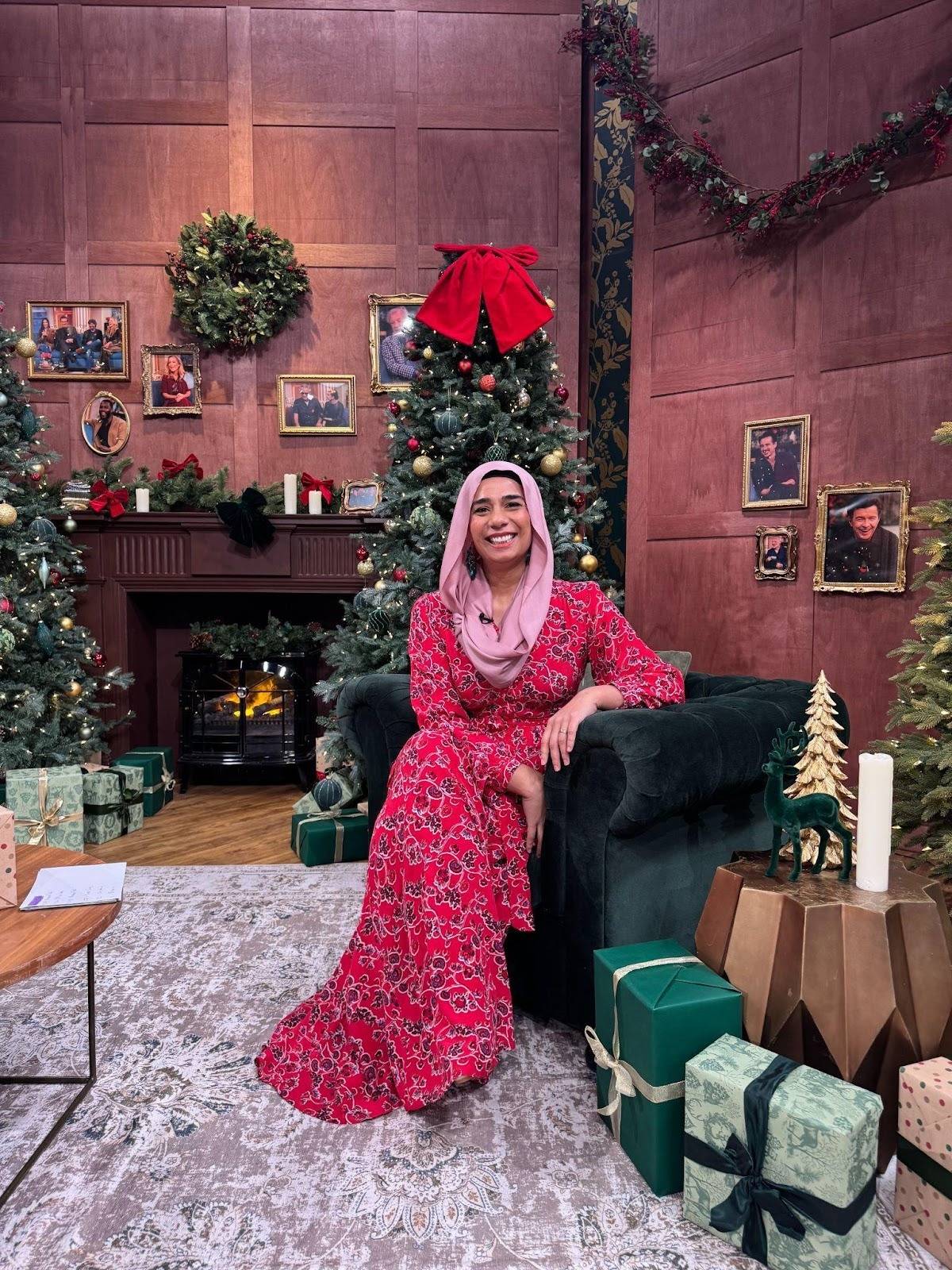
You’ve been part of the NHS for many years. What do you value most about that experience?
I have worked in the NHS for over 19years and for over a decade as a GP. I am a huge advocate for equitable healthcare and meeting the needs of those who need it without having cost implicated in the care. Free healthcare for all is a sign of a developed, civilized society that cares for everyone.
Fundamentally, the NHS has saved my life when I delivered my 3 babies in an NHS hospital. It has also saved the life of my son, who needed a liver transplant, and continues to save the lives of millions of people every day.
The NHS is not perfect- that is why I continue to work in it to make it better for my patients and try to ensure the longevity of the NHS because it is a finite resource.
What inspired you to start your own private practice along with your NHS work?
About 5 years ago, I started to become burnt out in the NHS and I was caring for my son, who had a liver transplant when he was 1 years old. At that time to sustain my career and be a present mother, I started to explore doing just women’s health clinics to help those patients who needed more time and I had little capacity in my NHS clinics.
Also, doing private care alongside a portfolio career, which has so much variety, helps me manage my work:life balance without getting burnt out. The NHS sadly has eroded over the years, to being the NHS system that I believe does not currently look after it’s staff all the time, and so I needed to explore other places to work that prioritized my wellbeing
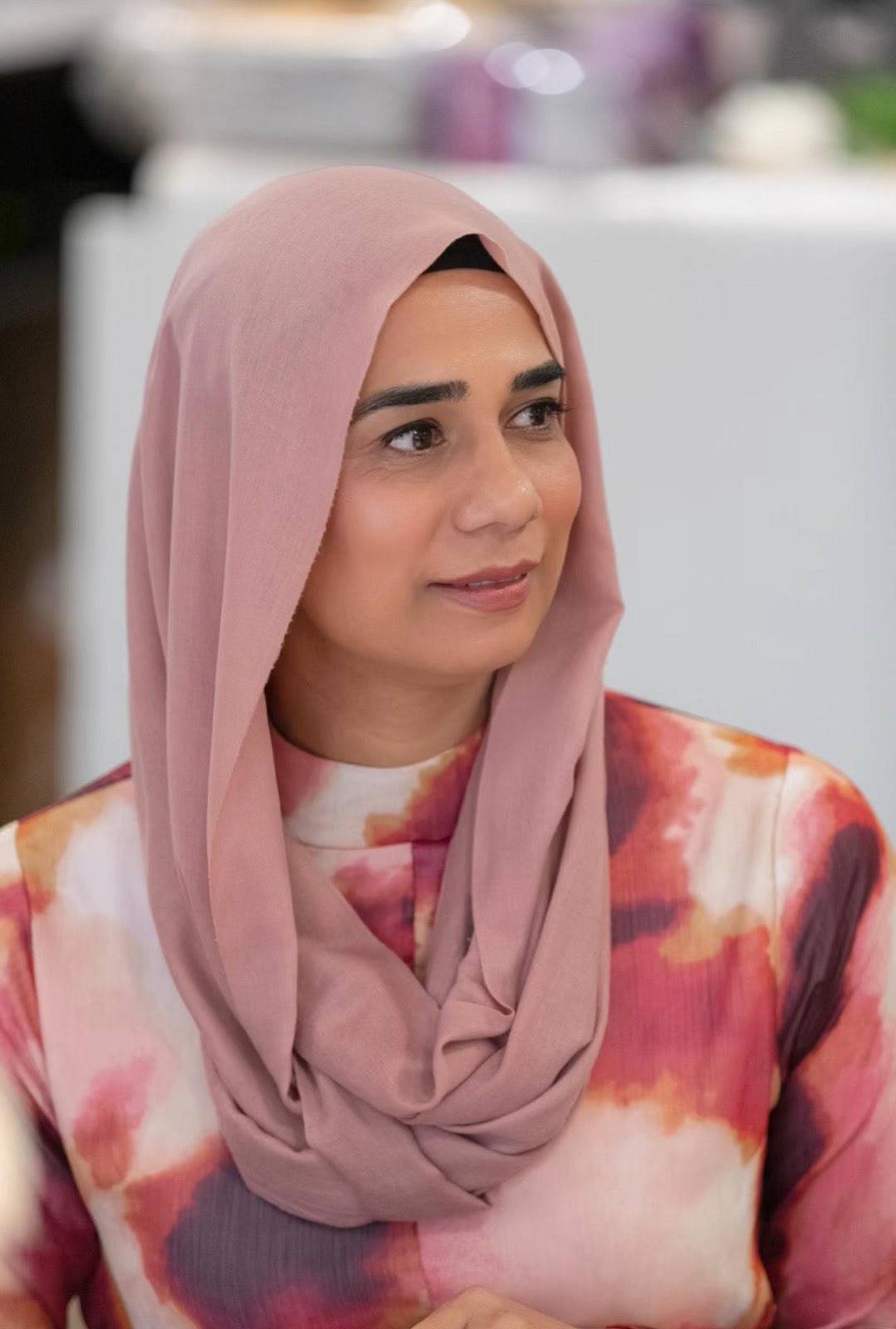
Your book The Knowledge has helped many women understand their health better. What message did you want to share through it?
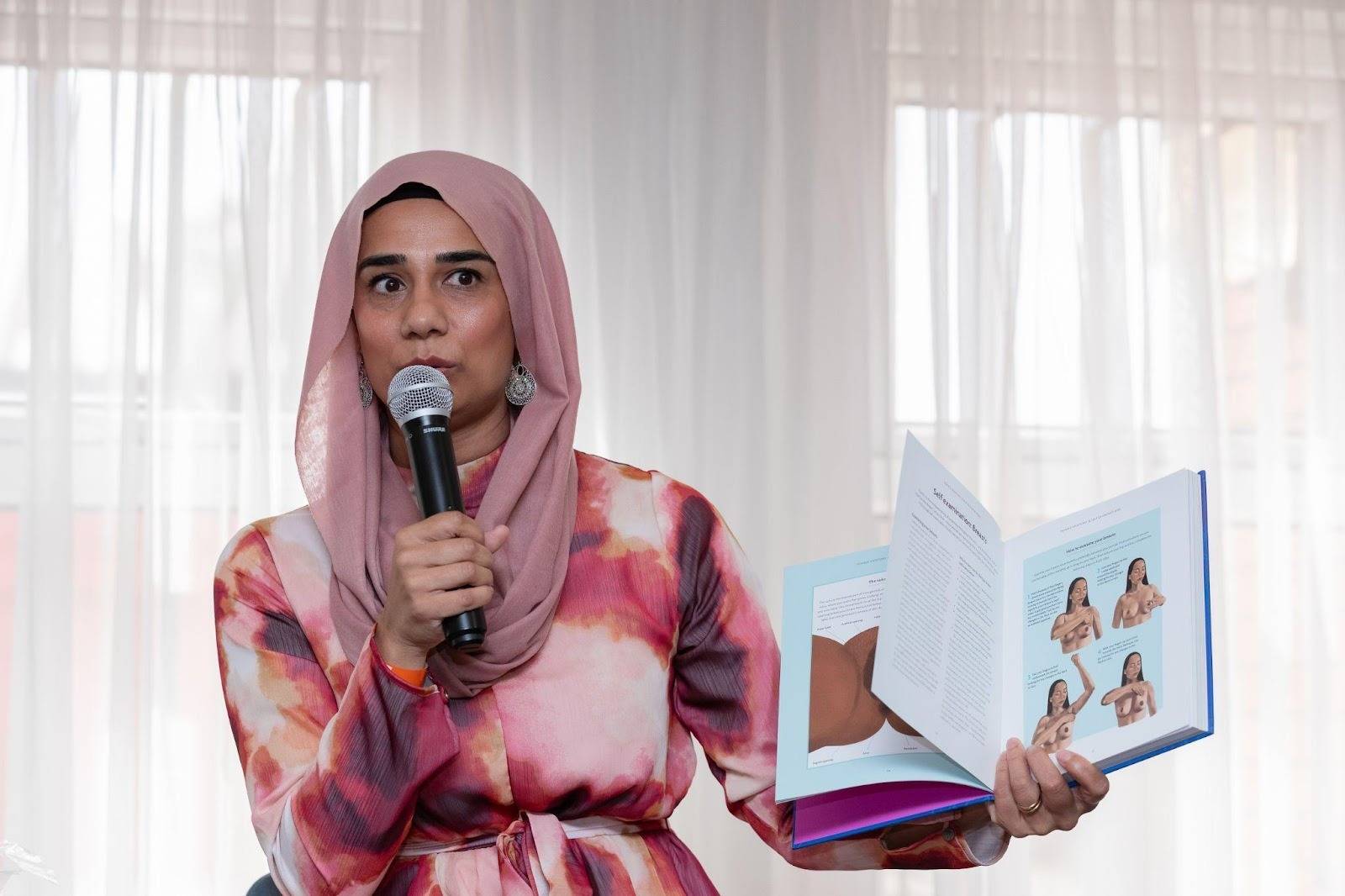
The knowledge, your guide to female health from menstruation to the menopause – was a passion project and something I wanted to write for a long time, because I wanted an inclusive, illustrated book that had female anatomy in different skin tones and women’s health in the context of cultural nuances that I encounter in practice. It is a ‘how to manual’ – a coffee table book for the whole family, men included, to help navigate around the different biological stages of the female body from starting periods, to fertility years, menopause and then beyond.
I wanted to ensure it covered health advice and illustrations for the marginalized communities, such as Black, Asian and LGBTQ+. I wanted to share that women’s health is complex, but it’s also easy to understand for partners and women. I wanted to say through my book that, you are not broken or alone, once the jigsaw pieces fit into place, then these are the management options available, backed by evidence-based science.
Your next book The Complete Guide to Family Health is coming soon. What can readers look forward to in it?
This has been by far the hardest project I have taken on. I decided in a moment of madness to pin down the whole of family health as I practice it in my general practice surgery. So there is no hiding place as clinician
This is a recipe book for your family’s health and I hope this covers all the bit of things you would want a ‘real -at-home-doctor’ to tell you. So for example what should be in your medicine cupboard, what should you pack for your holiday in case of emergency, when can you have sex after a heart attack, what dementia signs to look out for, how to manage chickenpox and what the difference rashes look like on different skin tones.
This has again been a labor of love- I found the most difficult aspect of the book was what to put in and what I needed to keep out, as it would have been never-ending.
Also, finally, I hope this is the balanced antidote to the TikTok / ChatGPT doctor that is now out there giving misinformation, which leads to my patients acting on that misinformation and therefore ending up in my clinic trying to manage the real life consequences.
The Complete Guide to Family Health is available in book stores and online platforms from 12th of March 2026
From your experience, what are some common myths about women’s health that you often come across?
So many myths, that range from the menstrual period blood is dirty – it’s not.
That heart disease affects primarily men – it doesn’t.
That you need to ‘cleanse’ or ‘detox your vagina’- you don’t
If you take the birth control you don’t need to use a condom- you do, as it prevents sexually transmitted diseases
A mother breastfeeding cannot get pregnant- she can.
Getting pregnant stops your endometriosis- it doesn’t.
Menopause starts when your periods stop- it doesn’t. Perimenopause is when you are still having periods and having menopausal symptoms
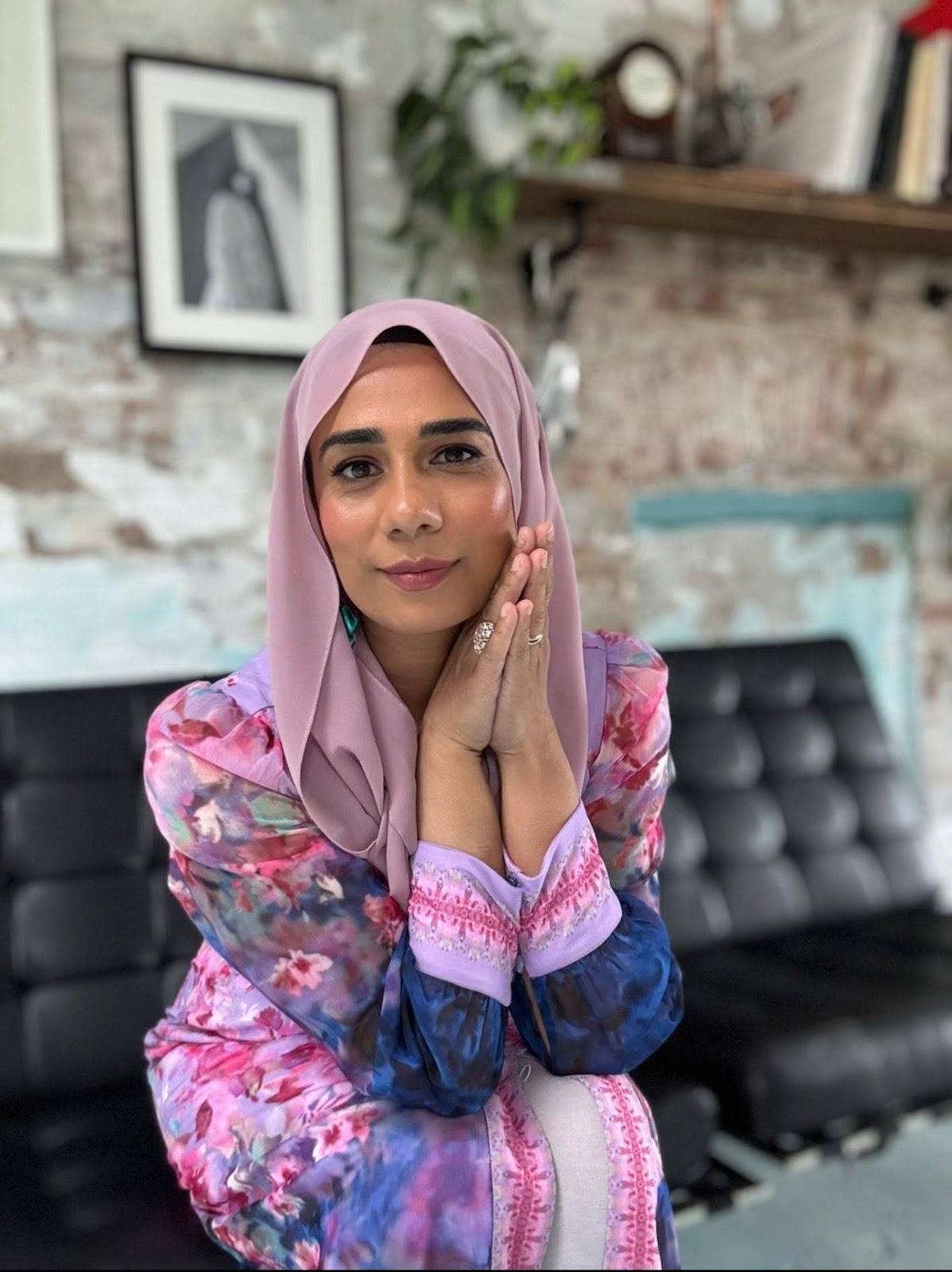
You work with YouTube Health and the WHO Fides programme. How do you think social media helps spread health awareness today?
I am a huge fan of social media, and it has the power to do so much good such as spreading awareness, taking away the taboo and shame of so many health conditions. I use social media as an educator and make educational content to empower my patients to have self advocacy when they are seeking help for their own medical health. Sadly, social media is also full of misinformation which leads to harmful impact.
As doctors, we need to be on the platforms to tackle this, as it directly affects my patients. It is naive of doctors to think that what happens on social media does not affect their practice- it does. Therefore, to be able to navigate a patient’s health journey, it’s imperative that clinicians are aware of what information their patients are consuming. That is why I work with YouTube Health, TikTok Clinician Creators Network and WHO Fides to ensure that, as clinicians, we are putting out accurate information.
You’ve received many honours and awards. How did those moments make you feel personally?
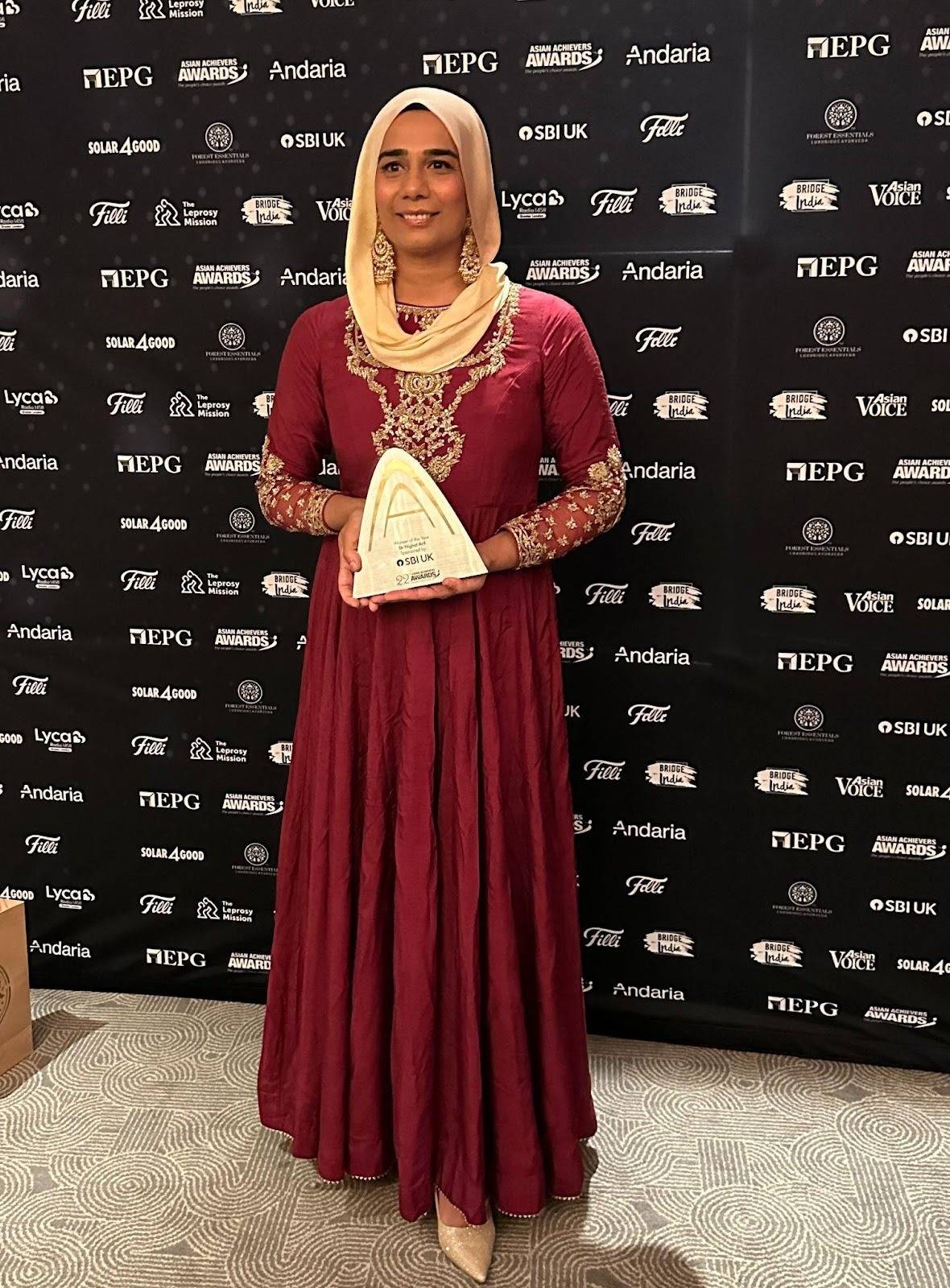
The truth be told, I do not do any of my work for the honors, the recognition and the awards. I am doing something I am passionate about and along the way if I have collaboratively, shifted the way we view women’s health in the tiniest way- I am happy. It’s very humbling to have the awards and sometimes it makes me think ‘I am doing ok’ when I get an avalanche of trolling online. Thankfully, those moments of trolling are rare now.
However, I do want people to take my knowledge and use it for themselves. I don’t even mind if I am never credited – because it’s not about me, it’s about ensuring that there is accurate health education out there that will help those who are facing hidden challenges. For me that is the primary goal, not the accolades, which I am thankful for, but they are not my driver.
Through your podcast That Time of the Month, what kind of conversations do you hope to bring to people’s attention?
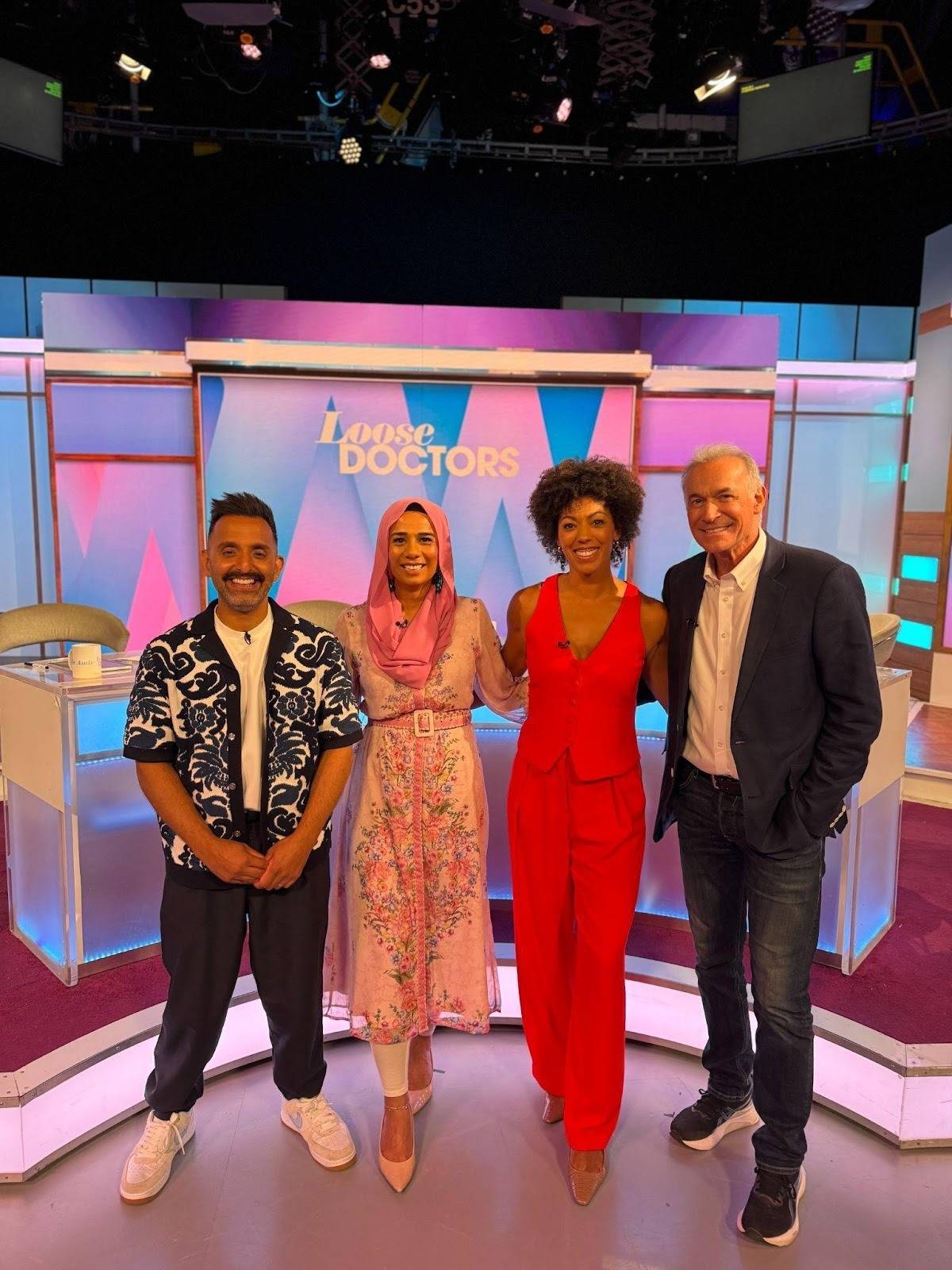
Our BBC5Live podcast has been running for 2 years. It is hosted by the incredible journalist Naga Munchetty, my friend Ms. Christine Eketchie, who is a Consultant Gynecologist and produced by our amazing producer Alison Acton– this is a live podcast once a month where there are no holds barred and we talk about anything and everything over the lunch hour, without shame and without taboo.
We have tackled topics such as male fertility, prolapse, breast cancer, endometriosis, irritable bowel disease, low libido, urinary tract infections, and knowing the signs and symptoms of ovarian cancer. This has been a game changer in how we view women’s health and it’s also built an incredible, loyal listenership.
The most engaging episode was Dads, daughters and periods, so many fathers, stepfathers, grandfathers calling to share how they talk about periods with their daughters or the women in their lives. This was such an endearing episode and made me reflect that women’s health is everyone’s issue not just the women, and allyship goes such a long way.
You have a busy career and many roles. How do you take care of your own health and wellbeing?
Over the years, I have gotten better at looking after myself. My three boys, 14, 10, and 7 years old are now becoming aware of what I do, also I learn so much from them. My wonderful husband, Khalid is a Solicitor and a Principal of his own law firm. He is supportive and will always be my sound board for so many of my crackpot ideas!
I would say I have gradually built a team of people around me who help. My lovely agent Jan is brilliant at telling me when I should say ‘no’ and I have also learnt to have boundaries. I prioritize my family first and everything then comes second.
I go swimming 5-6 times a week. My faith is important to me and I pray daily. I started weightlifting in my 40’s. I have gotten better at making nutritious choices but I still have cake for breakfast with Nutella because frankly, life is too short!
I am a huge fan of films, so I watch almost everything on Netflix, but I have it in the background as I do errands around the house. My weekends are my downtime. I take very few calls, I don’t pick up emails and switch off social media. As a family we spend the time swimming, cheerleading at the sidelines of the rugby pitch or poolside as the boys do diving. We batch cook and plan for the week ahead. This simple change to ensure connectivity has helped my mental and physical health. Before you think I am perfect- I am thoroughly flawed and I swear (profusely) when I am frustrated by the patriarchy!
Finally, what advice would you give young women who want to make a difference in healthcare or help others through their work?
My only bit of advice is to follow your passion and stay consistent.
Whatever you are passionate about that makes you get out of bed, makes your brain zing and makes you happy- do it! Don’t listen to the naysayers, who will try to sway you. The growth will be slow, but keep moving steadfast forwards with your message.
Women are magic- they have the power to be, do and say anything and I will be the biggest cheerleader of those wanting better healthcare for all.Dr. Nighat came to the UK at nine with big dreams. Today, she’s a doctor, author, medical broadcaster, podcaster, and women’s health advocate. In our interview, she shares her journey from NHS work to private practice, writing The Knowledge, and tackling myths on social media. A story of passion, resilience, and helping women take charge of their health.