
Growing up, success had a very clear silhouette: that of a woman ascending a career ladder in designer suits, an immaculate blow-dry, always somewhere important to be. Success looked polished, linear and entirely unambiguous. For a long time, I chased that image without really questioning what it would cost me to duplicate it.
I was born in London to Iraqi parents, raised in multiple languages, countries and constantly shifting realities. Adaptation became second nature early. I inherited pride from my Iraqi parents, women’s empowerment from my Tunisian school, critical thinking from my French professors, and the quiet art of slowing down from my Austrian compatriots.
Somewhere between all these worlds, I developed what I now like to call intellectual versatility: that unique ability to move between languages, mentalities and emotional registers seamlessly. I suspect this skill will resonate deeply with the Arab diaspora in particular. We learn early how to read rooms, translate ourselves, evolve depending on where we are placed and most importantly to continuously and tirelessly prove ourselves. For years I considered this my greatest asset. I still do.
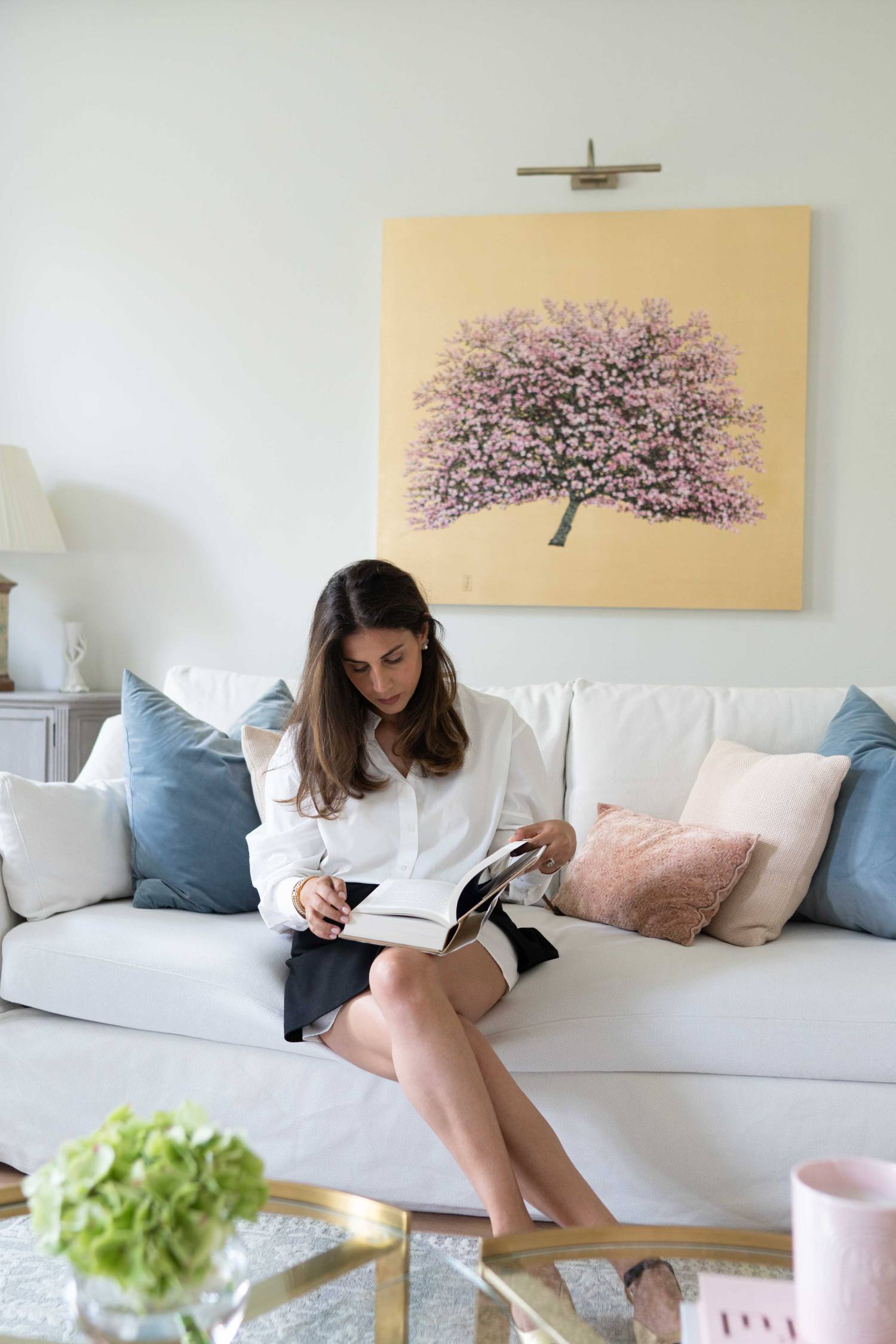
It led me, eventually, to more than a decade-long career within the United Nations, working across education, crime prevention and social development in different regions of the world. On paper, it was precisely the life I had imagined for myself: meaningful, international, the kind of work you describe at dinner parties without apology. And yet, when a career coach asked me what the best part of my draining job was, I answered without hesitation: prestige. Simple, to the point, shallow.
That answer unsettled me more than I expected. Somewhere along the way I had begun feeling a quiet dissonance between who I was and what got me out of bed reluctantly every morning. I knew then this couldn’t be it.
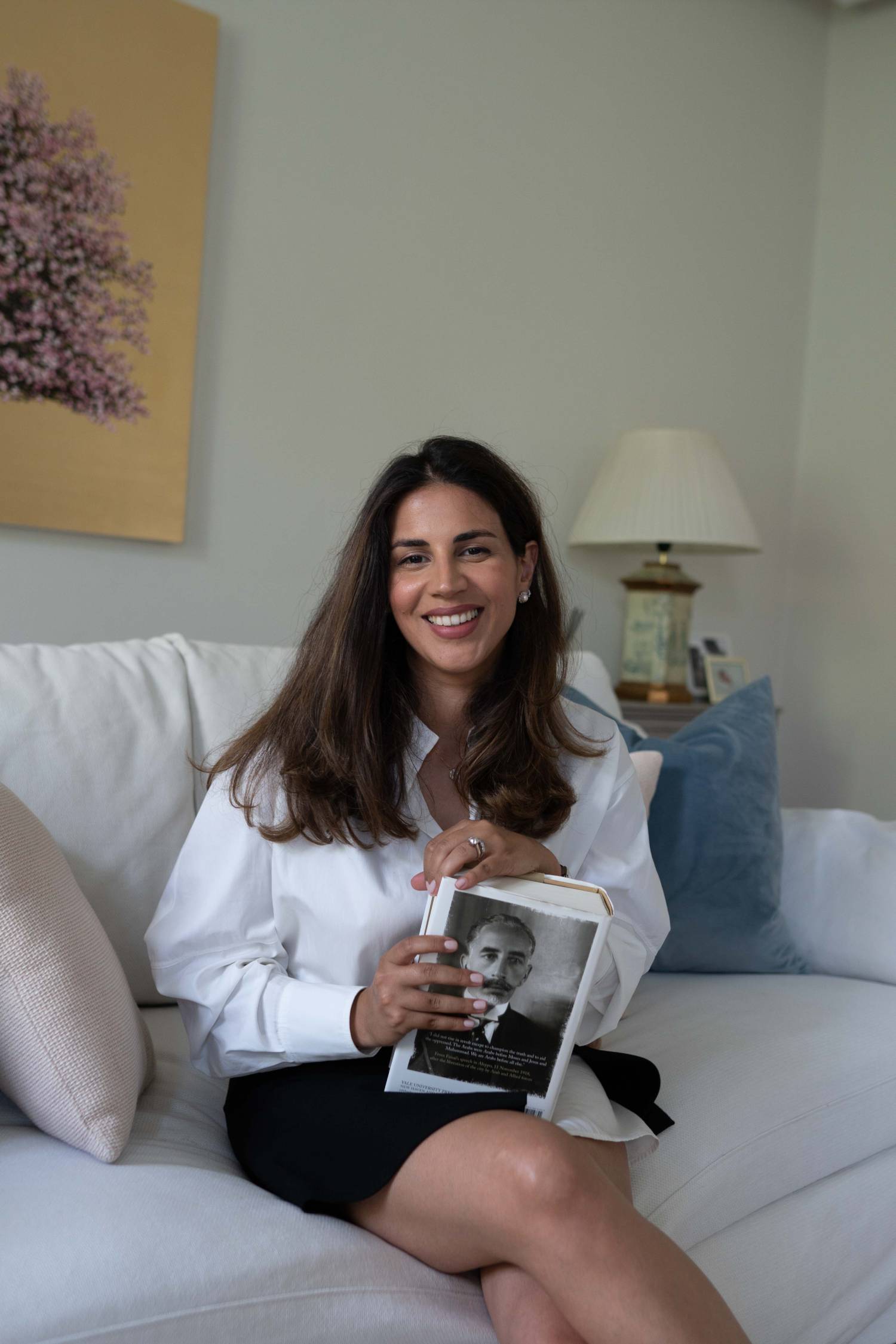
Then motherhood arrived.
And with it, a quality of introspection I had never encountered before. Pregnancy, and then the particular exhaustion and expansion of early motherhood, stripped away illusions I had built entire rooms of my identity around. The polished image of success I had carried for years didn’t shatter so much as quietly reveal itself to be simply not enough. The questions that surfaced were uncomfortable in the best possible way. Who am I outside of achievement? What parts of me are genuinely mine, and what parts are performance refined over decades of adaptation? Is this who I wanted my children to look up to?
Around the same time, I found myself increasingly frustrated by something else entirely: the relentless flattening if not demonisation of Arab identity in mainstream media. Entire cultures distilled into headlines, stereotypes and political narratives, with almost no space left for the gorgeous complexity of our cultures. That frustration eventually became The Silk Narratives, a platform and podcast dedicated to portraying more layered success stories and profiles from the Arab world and its diaspora. What began as a mission to shift how the world sees us ended up shifting something inside me first. Because while sitting with artists, founders and thinkers and asking them about identity, reinvention and belonging, I was quietly asking myself the same questions.
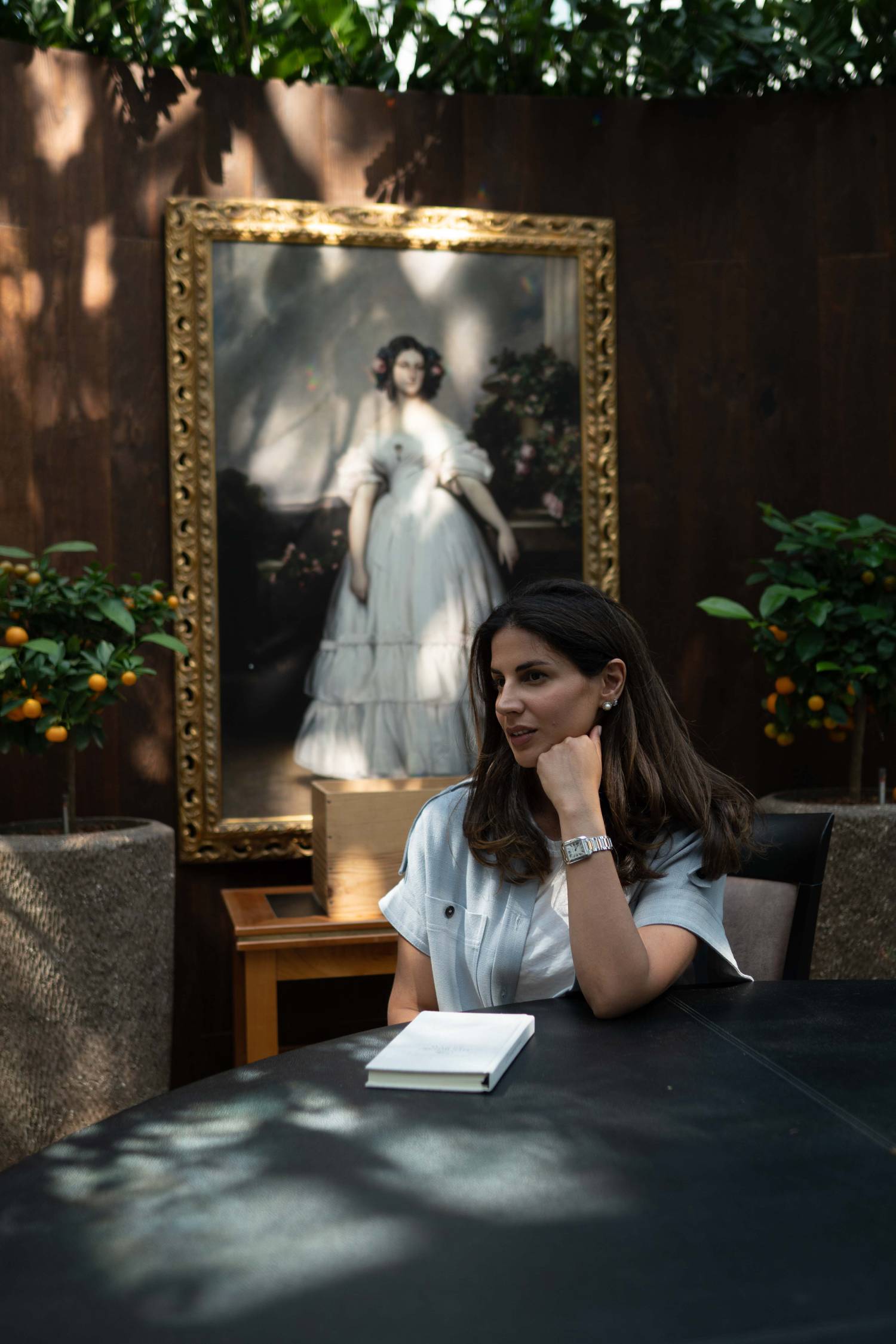
Today, at 38, I am almost a year into a five-year psychotherapy degree. Psychotherapy sits at the intersection of everything I have always been drawn to: identity, storytelling, human behaviour, emotion, language and the construction of meaning. It also demands something I spent years quietly avoiding: stillness. For a long time, movement had become its own form of identity. New projects, new countries, new ambitions. Constant becoming. But there comes a point where the velocity of achievement no longer answers the deeper questions. Where the next destination offers no further information about who you actually are.
I think that is where real transformation begins. Not in dramatic reinventions, not in the burning down of one life to build another, but in something quieter and far more demanding. The willingness to stay in the room with yourself long enough to come to honest conclusions.
I used to believe growth meant becoming someone else. A better, more polished, more accomplished version. Another iteration of the woman in the fitted suit.
Now I can say without hesitation that growth and success means becoming more fully you. Shedding the performances that once served you and keeping what is genuinely yours.
I am still, for the record, the woman with the perfect blow-dry. I still love beautiful clothes and somewhere important to be. I have simply added another version of her, the one who shows up to self-awareness circles in jeans and ballet flats, sitting in a room full of therapists-in-training, talking about unconscious patterns and emotional inheritance as though it were the most natural thing in the world.
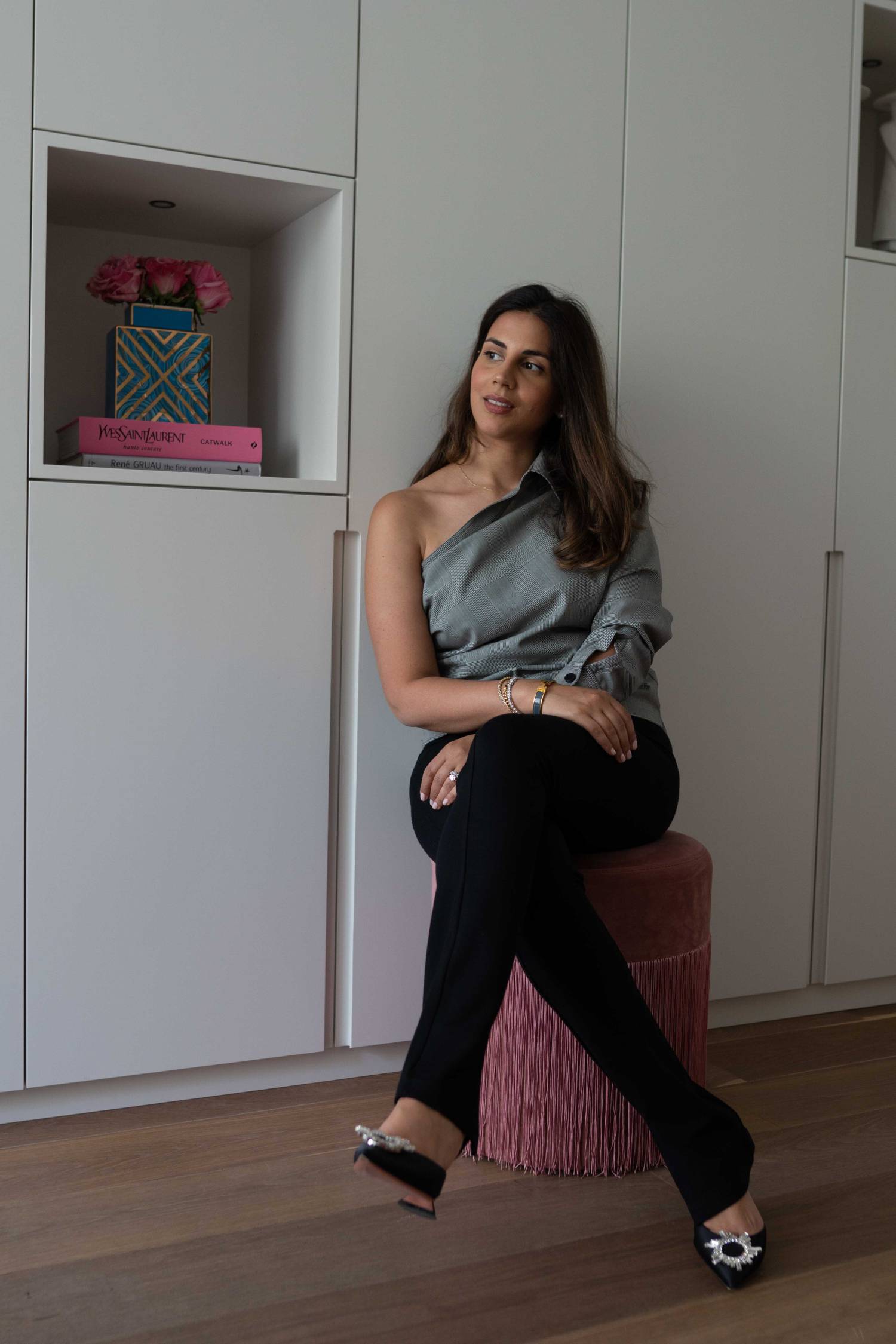
Because now, it is.
I owe this change to myself, to my husband who deserved a truly fulfilled wife, but mostly to my children: I wanted to become a woman they are proud of, who leads a life she is true to. To give them, quietly, the permission to do the same when they grow up. To teach them that success does not require a mask, and that honouring their authentic self and embracing their heritage proudly is the best gift they can give themselves.
We do not change. We become more of who we are.