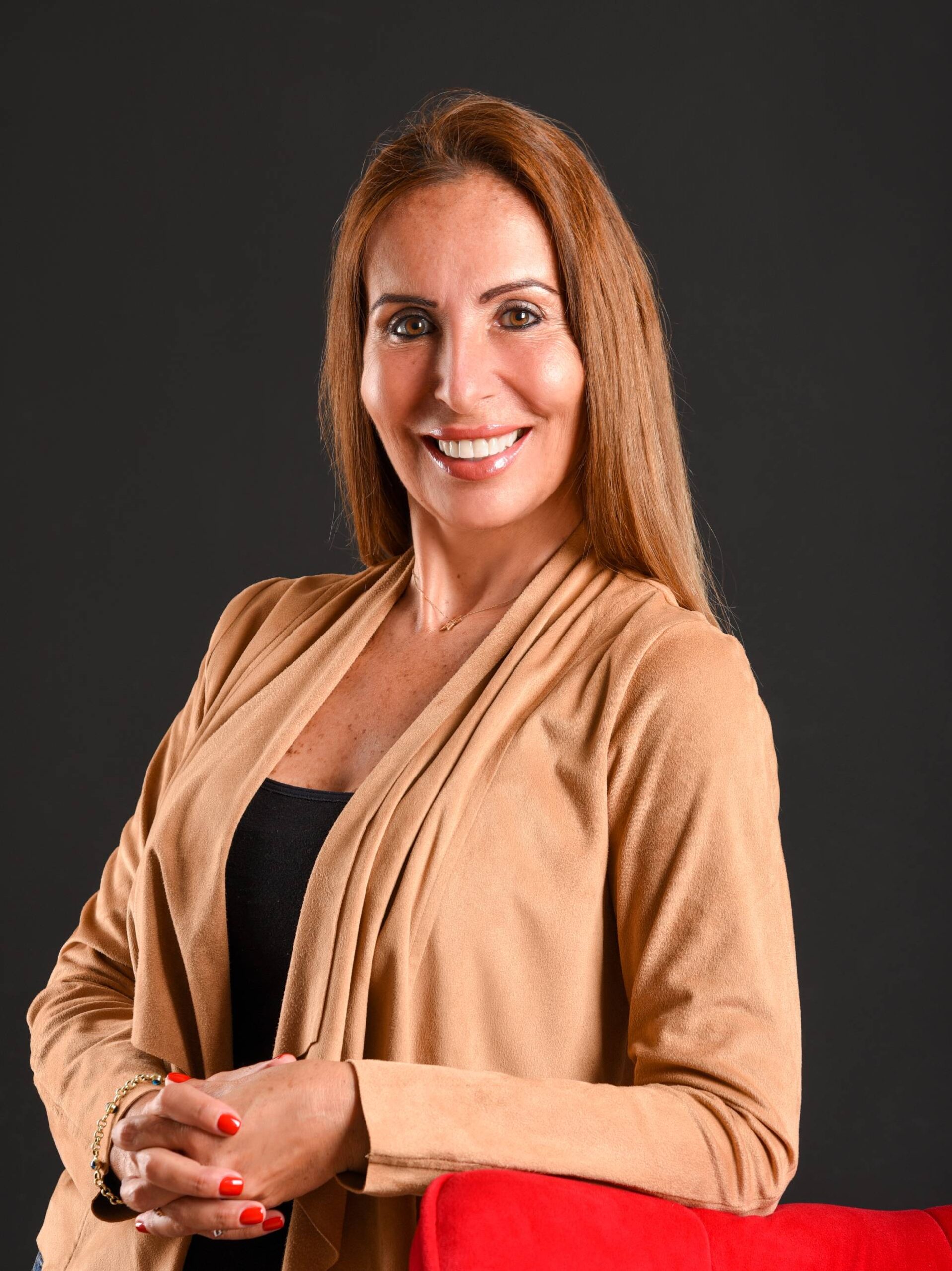
“We do not talk enough about mental health.”
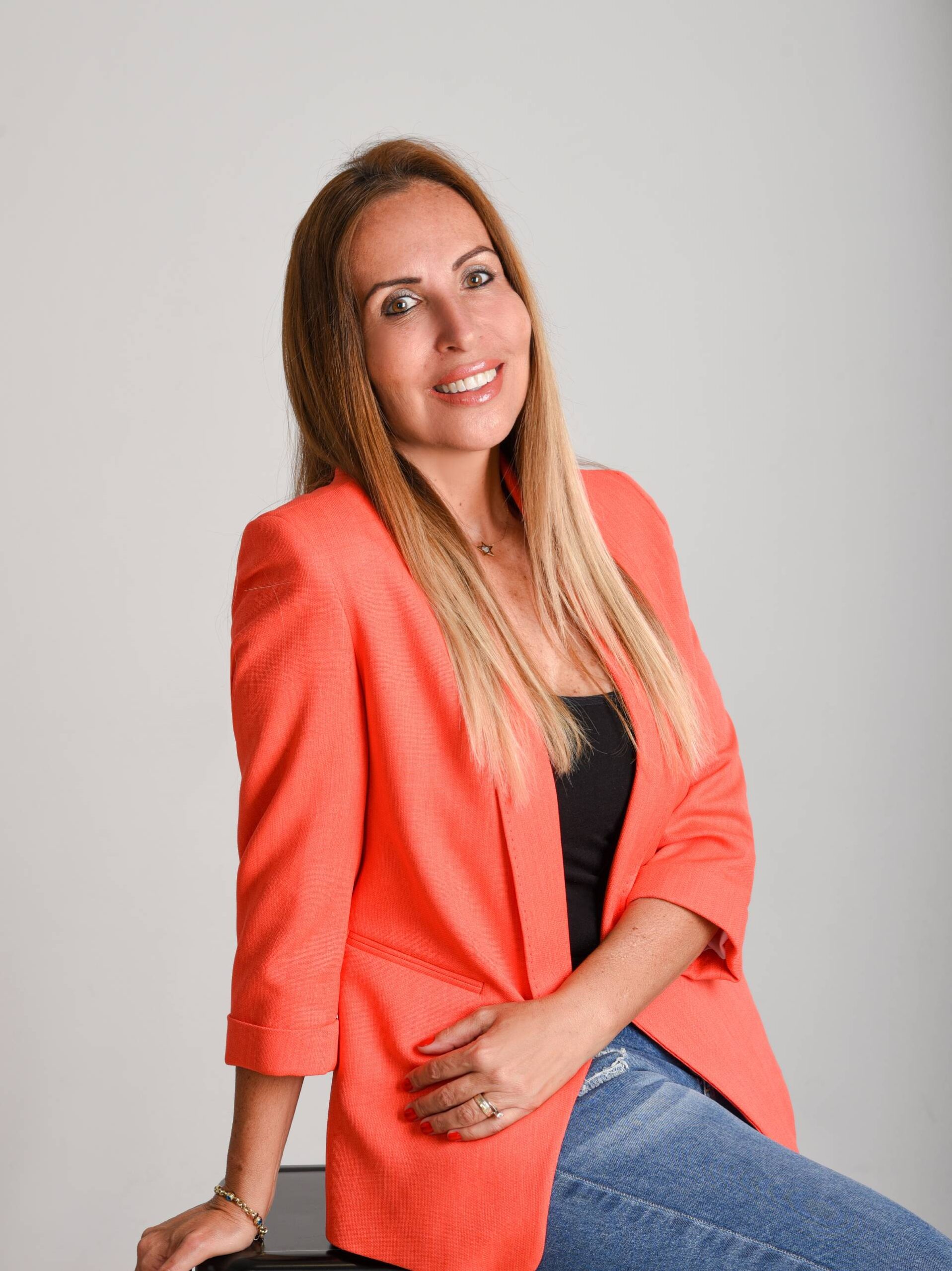
As a psychologist and accredited sexologist, Dr. Linda believes that honest conversations can help break stigma and create space for healing. In this interview, she shares the importance of emotional wellbeing, the courage it takes to seek support, and why making time for yourself should never feel like a luxury.
Through her personal experiences and professional journey, she shares valuable insights on resilience, self-growth, and the importance of believing in yourself.
Get to know Dr. Linda beyond her professional role as she shares her life experiences, personal beliefs, and thoughts on mental health and resilience -in her own words.
Can you introduce yourself and tell us a little about yourself, your background, and what you’d like people to know about you?
Sure… I’m half American, half Turkish. I was born in Istanbul but grew up in both the USA and Turkey. Kept moving back and forth during my school years. I ended up in a Turkish high school with no Turkish at the age of 13. At that time, I wanted to become either a cardiologist or neurosurgeon, but things didn’t quite turn out as I had hoped. I had quite the crazy academic journey.
I started my college journey as a chemical engineering pre-med student. Got too carried away with the college and partying scene, despite being enrolled in a Christian college with strict rules. Switched from the whole pre-med setting to psychology, as it was a cop-out for me. I’m a numbers person. Back then, I kind of belittled the social sciences.
So, I dropped out of school three times and took a six-year break, worked as an international tour guide during this time, and then finally decided to go back to school after a major turning point in my life.
If they had told me, back then, that I would become an academic, a psychologist, a marriage and family therapist, an accredited sexologist, a TV producer, etc., I would have probably laughed quite hard because I had no intention of completing college.
But after returning to school, I completed my undergrad at Cal State San Bernardino (CSUSB) and continued my master’s in counseling psychology with an emphasis on marriage and family therapy from California Baptist University (CBU).
I initially started my PhD in marriage and family therapy; however, I could not see the world through the lens of my academic advisor, so I switched schools and then completed my PhD in psychology with an emphasis in health psychology from Walden University. Now, I am currently working on completing my second PhD in Communication and Media Management at a private university in the Turkish Republic of Northern Cyprus.
You grew up between two cultures. How did that experience shape the way you see people and relationships today?
Ah yes… the bi-cultural experience utilized to the fullest for secondary gain! When I was much younger, I had the opportunity to switch my cultural identity when I felt like it. Quite devious actually. When I was in Turkey, I was the American girl and when I was in the USA, I was the girl from Turkey.
I must admit that this duality had many advantages. As I got older though, I realized that this cultural duality was an amazing advantage in terms of adapting to other cultures as well. Now, we are living in a multiply diverse community that requires us to meet in the middle to establish common ground.
At the time, it was a game I played to get what I wanted. But now, it is such an important asset that keeps me a step ahead, especially when I am working with clients and students. I don’t need to exactly where the person is from to understand the family and cultural dynamics. All I need to understand is if they are coming from an individualistic culture or a collective culture.
This makes my job much easier as I have a general understanding of why people display certain behaviors. If I don’t understand a specific cultural practice, I just ask the person and they usually are more than happy to explain the practice and underlying dynamics. This is also another tactic I use during therapy to let the client know that I am interested in them and their culture.
Was there a particular experience in your life that inspired you to choose psychology as your career?
As I mentioned earlier. I did not choose psychology because I wanted to become a psychologist. I chose psychology as an excuse to graduate early and easily. After I dropped out of university for the last time, I worked as an international tour guide for six years. Went to many destinations and earned good money back then.
But in 1999, there was a major earthquake in Turkey where more than fifty thousand people were killed. At that time, I was in Istanbul and felt the quake. I think that was the longest 45 seconds everyone experienced in their entire lives. The next day I received a phone call and was asked to serve as a translator for an Israeli search and rescue team going to the epicenter; I was a native speaker in both English and Turkish.
I said sure. At the time, it seemed like a good offer, and I did not realize the severity of the situation until I set foot in the middle of chaos. I think that was the first mega disaster I had ever seen in my entire life back then. On the second or third day, local authorities gave us work gloves to help local and foreign crews remove debris and, unfortunately, the dead bodies of those who were trapped under collapsed buildings. They had a serious shortage of manpower and logistical support. This was also the very first time I had seen a dead body! It was horrifying. So, after becoming both traumatized and desensitized over a period of one year, I decided that it was time to go back to school and finish off what I had started. So, in August 2000, I went back to the USA, stayed with my father for a while until I was able to transfer to CSUSB. After completing the coursework there, I applied to CBU’s counseling psychology program and got in.
Finished a two-year program in twelve months and started my PhD in family therapy, but after having a disagreement with my advisor, I switched schools. Applied to Walden and went back to the field of health and completed my PhD in health psychology. During this academic growth spurt, I had no idea of what a psychologist did in Turkey, what the working conditions were, or anything.
Of course, I knew all of California’s legal and licensure regulations and standards. But still, I had no clue as to what the psychologist market in Turkey was like because back then, and even still today, the fixed mindset and stereotype of going to a psychologist is equivalent to being crazy, especially in smaller communities.
Your journey has included study, teaching, research, and clinical practice. Which chapter has changed you the most, and why?
I think that each chapter has had its fair share in the shaping of who I am today; however, I think the clinical aspect of the work and the fieldwork that I do have shaped me more into who I am today. What I do, how I think, the occupational habits that have become occupational hazards, and so much more have shaped me in many ways and continue to do so.
As a result, I am not the Linda who was once a huge party girl in college anymore. All my experiences, the volunteer work, professors’ guidance, and emotional support over the years have helped me rebuild who I am, which is not what I had originally set out to become.
I have grown in a multitude of things, which is very helpful in many ways; however, I have also learned that personal growth is a never-ending story. We cannot stay static, we need to change and develop into the best version of who we are if we want to first help ourselves and then help others.
You work closely with people facing trauma, grief, and major life changes. What has this work taught you about human resilience?
We are resilient period. In general, over the years, as we experience certain things, we learn that we are vulnerable, so we fall. We learn that we somehow bounce back from that fall, and we move on. We learn that the reason behind our falling is x, y, or z and we learn to avoid these events, situations, and/or people so that we do not relive the same exact experience. Yes, there are some of us who spiral around the same events and refuse to change ourselves or claim that they are ‘unable’ to change themselves. I don’t quite believe that because we all can stand on our own two feet and stand up for ourselves and make the decision to change. I do believe that we lack the resources that will help us move on and grow.
However, with regard to traumatic events and grief, these are quite the exception. Trauma is the course of an event that changes our life entirely. This change requires adaptation, learning of new skills, lots of physical and emotional effort, acceptance, and developing new strategies that help us build our own resilience. For some people, this is not too difficult. For others, it may seem like it is impossible because they feel like they have lost anything and everything unique to them.
Of major trauma survivors, approximately 10-15% experience extended traumatic side effects from the incident. Traumatic events, if not dealt with properly, result in more vulnerability and possibly learned helplessness where we hear the common phrase ‘I just cannot do this or cannot do that’… For the person experiencing the traumatic aftermath, this feels like their sole reality; however, with the proper support and skills, it does not need to be their reality.
There are many ways to rebuild their resilience. It’s not an easy process but the person needs to sincerely want to change the situation they are in. It is a process that requires a lot of work and effort, but it is not impossible. Grief on the other hand can turn into a never-ending cycle where the person refuses to or just cannot let go of their loss. The stages of grief are quite complex, and everyone deals with them differently. We cannot push people to just let go of their grief.
It does not work like that. Everyone deals with grief at their own pace and time. Letting go does not mean forgetting. Letting go does mean moving on in your life with the person’s memory. And this too is a process that is quite difficult but with the right skills, letting go and increasing the level of resilience is possible.
EMDR, EFT, and psycho-sexology are specialized fields. What drew you to continue learning in these areas?
Normally I work from a Cognitive-Behavioral Therapy perspective, but there are times when I get stuck, and the client needs a different approach or tool to dive into whatever is blocking them. As I work with trauma, I have realized that with EMDR, positive cognitions can be developed, reprocessed, and strengthened against the negative ones like ‘I am not worthy’ or ‘I am not loved’.
This helps many clients to see themselves from a different perspective as they reprocess their past traumatic experiences. Emotion Focused Therapy (EFT) on the other hand provides many tools that focus on the emotional aspect of the client’s experience, which does wonders as well because many clients complain that they are not emotionally heard by their partners or families.
Techniques I use from EFT help me and the client focus on this need. Finally, as a couples, marriage and family therapist, sexual issues are a major problem among couples. Especially in the country where I am at. Sexual communication exists, but not with many couples as talking about sex is a major taboo. Couples have many sexual issues that they are unable to talk about, and even before sex therapy, sex education and its psychological components are a must.
It is amazing to help people step out of their uncomfortable zone into a safer and more comfortable zone to be able to have healthy and fulfilling sexual relationships. To make a long story short, every client’s needs are different, and the therapist needs to have sufficient tools in their tool bag to help meet these needs.
We cannot use a single approach and assume that one size fits all because it does not. This is why I continue to learn in these and other areas so I can better meet my client’s needs.
Many people still hesitate to seek therapy. What is one misconception you wish more people would let go of?
I think that the greatest misconception of seeking out therapy is the notion of being ‘crazy’. This connotation has been hooked with psychotherapy for the longest time and still prevails in many cultures. As we seek out medical attention for a physical problem, it is perfectly reasonable and acceptable to seek out mental health services as well.
Many who feel vulnerable may feel even more vulnerable and weak when seeking out therapy because of societal pressures and cultural taboos associated with help-seeking behaviors being equated to being weak. We all have a psychological capacity and a limit to what we can and cannot bear or deal with.
Once this limit overflows, we do too. It is like a glass of water. You can only fill up the glass so much to its rim. When you put in more than the glass can handle, the contents overflow. We are no different than this glass. Yes, we push our limits to make a statement of strength and resilience, which do grow in time, but we still have our limits. Sometimes we like to put on our masks of ‘wonder woman’ or ‘superman’ when we are outside of our safe zones. These are protective masks that send messages to everyone else.
These are what we hide behind to meet everyone’s expectations. While doing this, we neglect ourselves and our needs to the point where we do not realize that something can be wrong with us, as we are no longer our own priority. In the long run, our bodies start giving us signals that something is not right, and we ignore them repeatedly.
At the very end of this cycle, we end up with a bunch of psychosomatic problems in addition to the existing mental health issues we are struggling to deal with. So, the misconception that ‘if we seek out therapy, we are crazy’ is what I wish I could eliminate permanently.
Beyond supporting individuals, you’ve also educated communities through seminars, writing, and television. Why is making mental health conversations public so important to you?
We do not talk enough about mental health. We rely on other people’s opinions, popular culture, and people who are not trained in the field for this information and eventually make our decisions accordingly. We also use chatbots as one of our prime information sources, which gathers the bulk of information, but we need not forget that chatbots can also offer incorrect suggestions as well.
Technically, there is so much misleading information available to the public, it is literally frightening – especially where I am at. Between the internet sites, books without references, and unprofessionally trained so-called mental health workers/healers, there is a plethora of information that cannot be separated from true knowledge and fabricated knowledge; they all look alike.
Academic research may not be available to everyone, I agree, and everyone does not need to understand the complexities of scientific research. Dissemination of information is one of our key and prime duties. We need to make scientific information available to EVERYONE in a language level they can understand.
This is why talking about mental health issues through conferences, talks, podcasts, articles, and television is so very much important. The more people we reach through these mediums, the more easily we can correct this misinformation and normalize talking about issues.
Many women juggle work, family, and personal pressures. What simple practice do you believe can genuinely improve emotional wellbeing?
We all have a different variety of responsibilities that we try to balance every day. Some of us are more successful than others. For those of us who are unable to balance these responsibilities, we pay the price with a decrease in our own emotional wellbeing, which in the long run has many detrimental consequences.
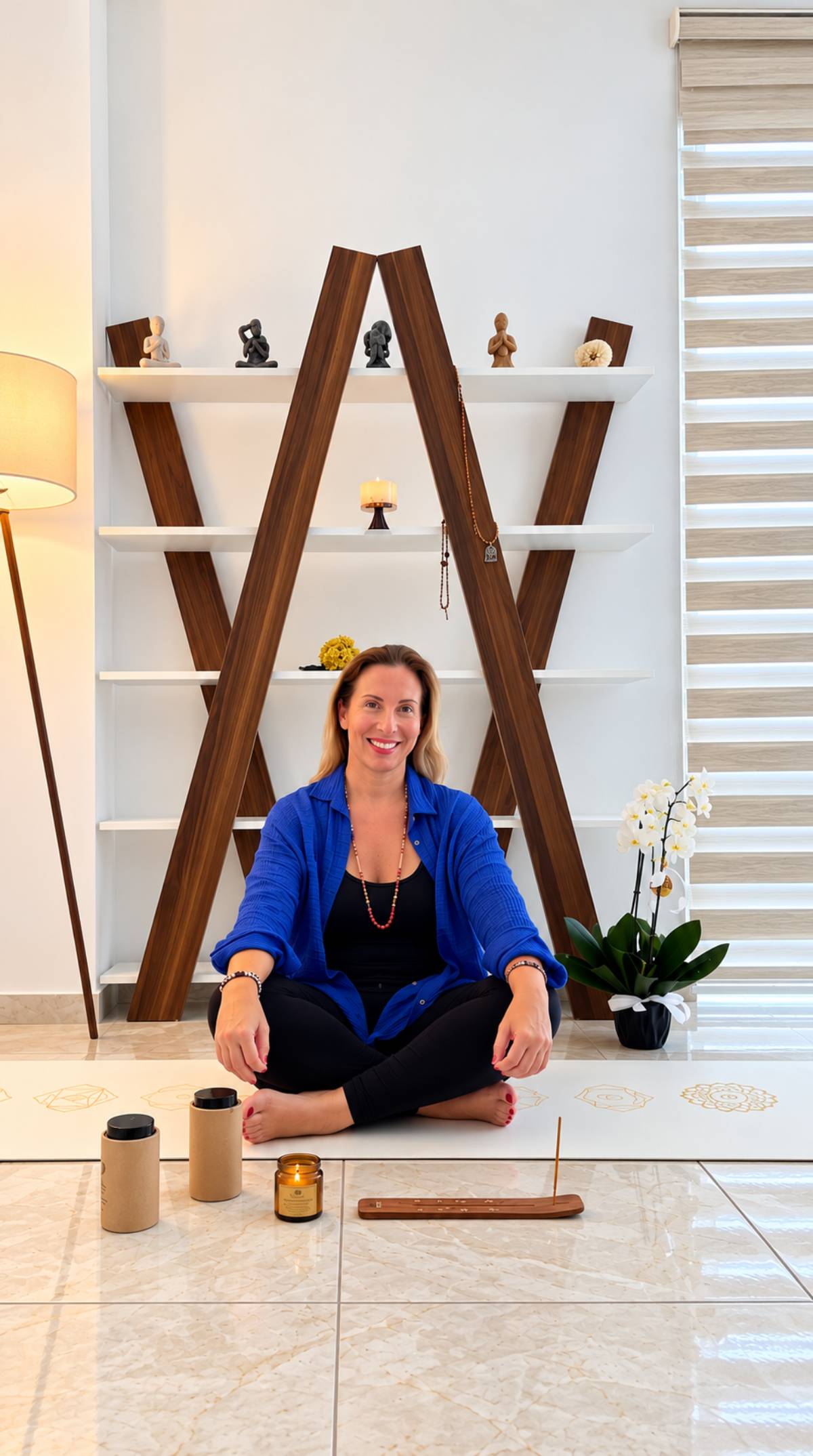
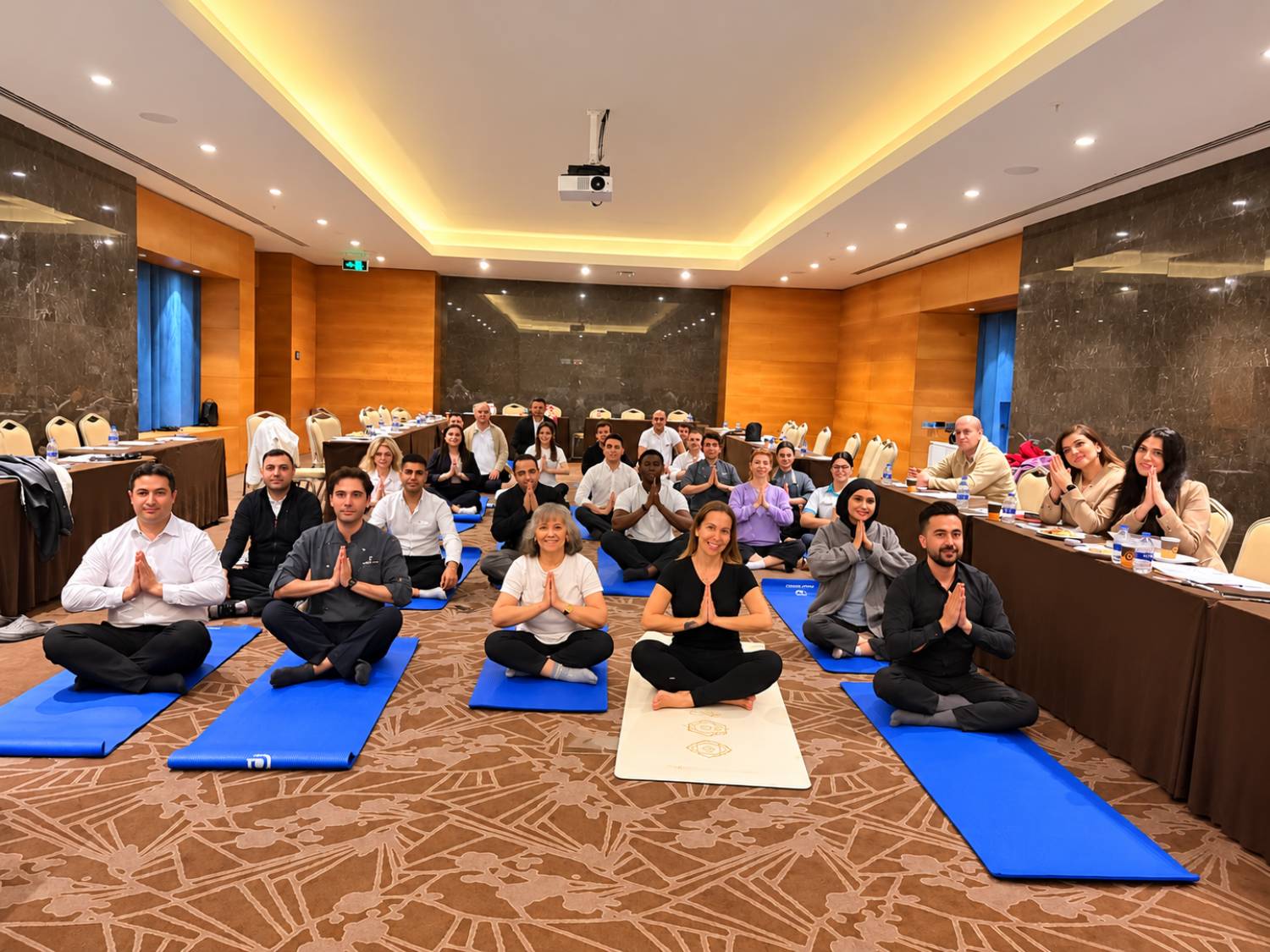
The very basic practice to improve emotional wellbeing is to make at least 1-hour a day to be ‘ME time’ where there are no interruptions, no phones, no distractions, nothing… just ME. I know that this sounds somewhat selfish for many reasons but it is essential. If I am not well at the individual level, I risk not being well at the emotional, spiritual and psychological level as well.
So, to reduce this risk, focusing on ME to unwind, re-center, re-focus, control my wondering mind, and nourish myself becomes a must. If this is not done, then I risk stimulation overflow and eventually burnout to where I have more issues than not being well. Therefore, it is imperative that we make sure that we create this ‘ME time’ with no excuses.
With so many professional responsibilities, how do you protect your own mental and emotional health?
As an over-achiever and very busy person, I make that ‘ME time’ a priority. Yes, work is important, family is important, my professional and social network are important…But they are not number one on my priority list.
I am at the top of my priority list. I know that this too sounds quite selfish, but it is the intent and balance that it creates is what I am trying to underline. Now, this does not mean that I have a strict schedule where this ‘ME time’ is every day at 8 p.m. I do my best to ensure that I get at least 1-2 hours of ‘ME time’ during the week. Or to put it more concretely, I make this ‘ME time’ when I feel that I need it. We do not have an unlimited energy source where we can continue to deal with everything 24/7 without experiencing burnout.
We are not the energizer bunny that continues to run without stopping. We all have our limitations and capacities regarding how much we can put on our plates at any given single time. Some of us choose bigger plates to be able to carry larger amounts of responsibilities whereas others choose smaller ones, as this is what they can handle.
Now, while this choice may seem like the correct one at the time it was made, with the passing of time, we realize that we are more tired, more worn down, overly exhausted, and just miserable with the choices that we have made. Why? Because we have placed everything else but ourselves – as a priority and ignored our own needs.
This is all done unintentionally, somewhat automatic. We do not knowingly or willingly put ourselves in a tight knot, we just go with the flow and forget about ourselves in that flow. So, the best way to maintain our emotional well-being is to bring ME to the top of the priority list and make that ‘ME time’ happen. Again, this is not being selfish, self-centered, narcissistic, or entitled. This is making the time and creating the space to maintain and sustain our emotional wellbeing.
Is there a personal belief or life lesson that has guided you through both your career and your life?
Yes… Embrace my downfalls, get up and get back on track! We all have experienced some form and shape of failure throughout our lives – whether this be academic, career, relationship, etc. Some of us learn from these downfalls and reorganize our strategies to become more successful in that endeavor.
But some of us, on the other hand, are more prone to hide behind learned helplessness and strengthen the belief that we are not capable, not worthy, and will always be a failure in what we do.
There is no such thing as being 100% successful. Even the most successful businessman and women have at least one count of an unsuccessful business venture in their lifetime. What we see from these downfalls is that they have never given up. On the contrary, they analyzed the situation, develop new strategies, build on the lessons they have learned and moved forward with much stronger and successful ventures. Instead of hiding and running away from our downfalls and failures, we need to embrace them, analyze them, redevelop strategies for preventing what happened in the past, and use these as steppingstones to move on. We need to be open to growth.
We all need to start somewhere. If we refuse to follow our dreams or our ambitions just because we have failed in the past, then we lose purpose. I always tell myself to get up and keep moving. If I am not liking how the direction or outcome is, then I change the strategy that I am using to better improve what it is that I am doing.
If I choose to ignore the signs that things are not going the way I want, then technically I am setting the foundation for downfalls and failures to take place. To prevent this, I constantly re-organize, restructure, re-develop, and reframe my goals, ambitions, and direction that will help me to reach my destination.
Finally, what message would you like to leave for women who are rebuilding their confidence or starting a new chapter?
For women rebuilding their confidence or starting a new chapter, the only thing I can say is believe in yourself. Never doubt yourself. I know this is easier said than done, especially after many years of disbelief and doubt that have reinforced this thought. Disregard the messages that you are not capable, that you just don’t have it, that you are not good enough, etc. People will talk.
We have absolutely no control over this and what they say, technically, is not important and carries no value or function other than keeping our minds busy and leaving us in self-doubt. We have the power and the choice to ignore these messages and continue to move forward. Even if these messages come from your loved ones. Unfortunately, this is the part that hurts the most.
We expect our loved ones to support us but when they approach us in disbelief and no support, it feels like we have fallen into an endless pit of nothingness. We know what we are capable of and we need to listen to that little voice inside. But also, on the other hand, we need to be realistic about what we can and cannot do in this case. When saying this, I do not mean exaggerate who you are and what you can do and go after something that will knowingly and literally backfire.
No. I mean stick to what you believe you can do and do it. Yes, you will pay a price, this is inevitable and yes, you will fall and eventually get back up BUT never give up! I think one of the best classic and cliché examples to this situation is J.K. Rowling’s multiple Harry Potter rejections that have turned into a multimillion-dollar enterprise.
You too can do this ONLY IF you believe in yourself and equip yourself with the proper credentials that support this venture. Like I said… People will talk. People will appear to support you then take advantage of your first downfall to stab you in the back. It’s not right, but it is part of the process. Do not take this to heart. Technically, this is not about you at all.
These types of reactions are manifestations of their own failures, their own self-doubt, and their envy regarding their own inability to do what they desire. So, do not forget that you are a mirror reflection of someone else’s reality. Ignore the hearsay and keep moving forward in such a way that you have restructured, rebuilt your strategy in such a way that you will get to your destination or designated level in the timeframe you have set.