
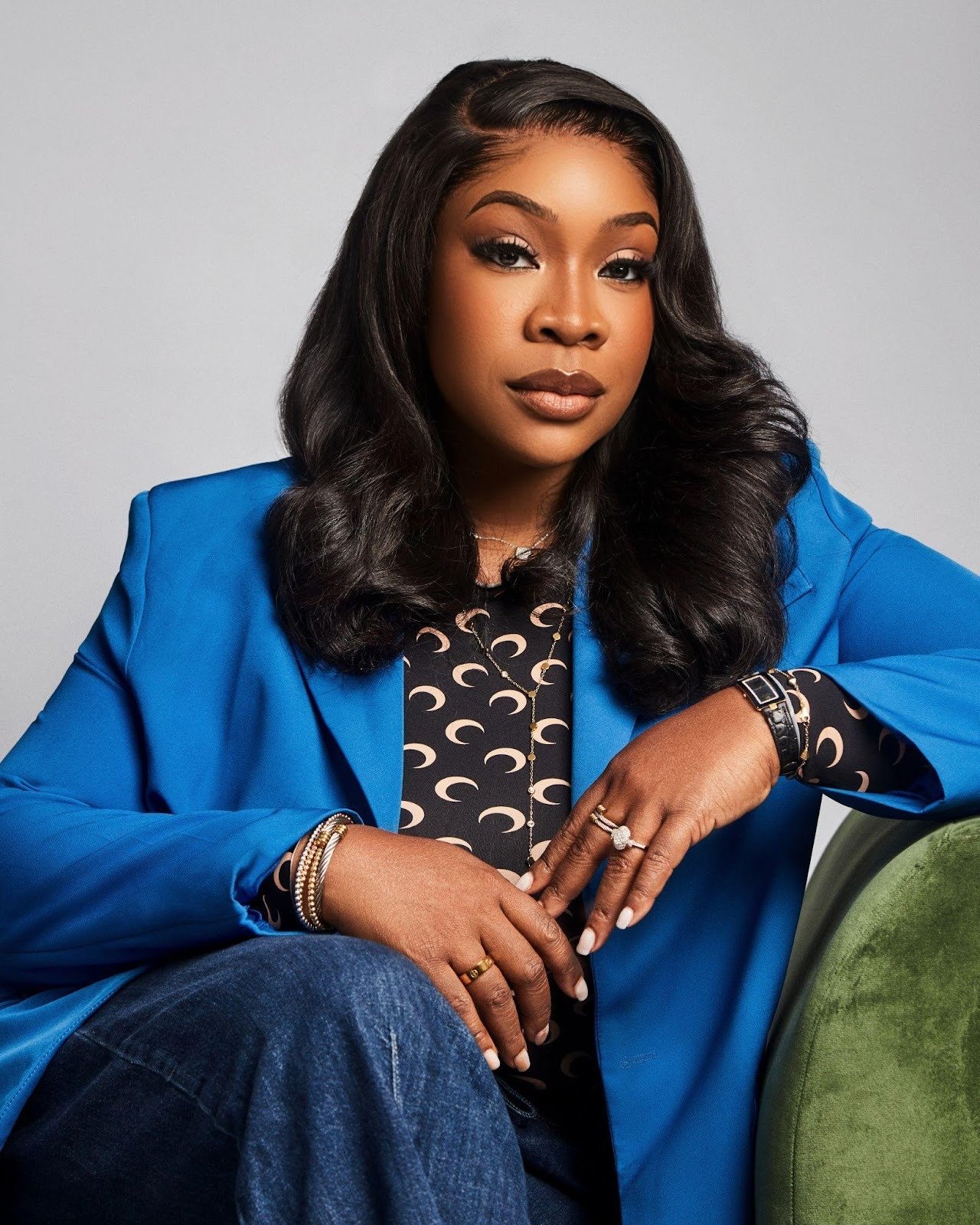
Dr. Bukky talks about building her communications agency from the ground up. She shares her journey, the challenges she faced, and the purpose that keeps her moving forward.
Can you tell us a little about yourself and your journey so far?
My name is Dr. Olubukola George-Taylor, although most people know me as Dr. Bukky.
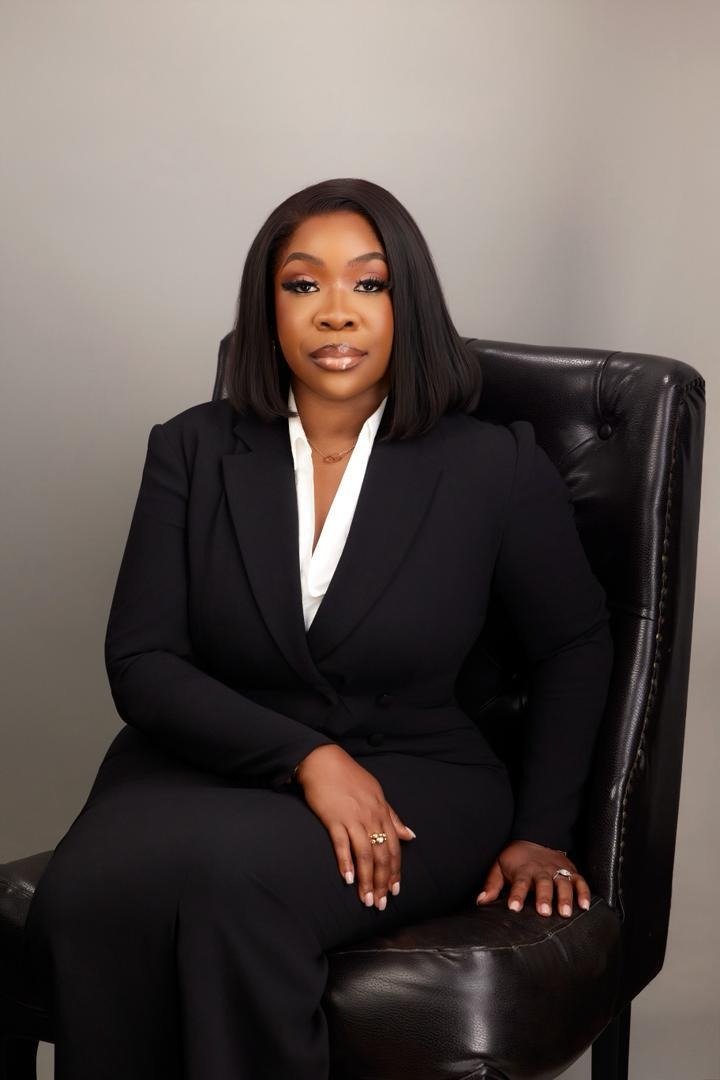
I wear many hats as an entrepreneur, communications strategist, author, and leadership coach. I am the Founder and CEO of Robert Taylor Media, one of Africa’s leading strategic communications agencies, with both corporate and luxury communications divisions. I founded the agency at the age of 25, and as we approach our 20-year anniversary in 2027, the journey has afforded me the privilege of working with a diverse portfolio of global and indigenous brands across multiple industries.
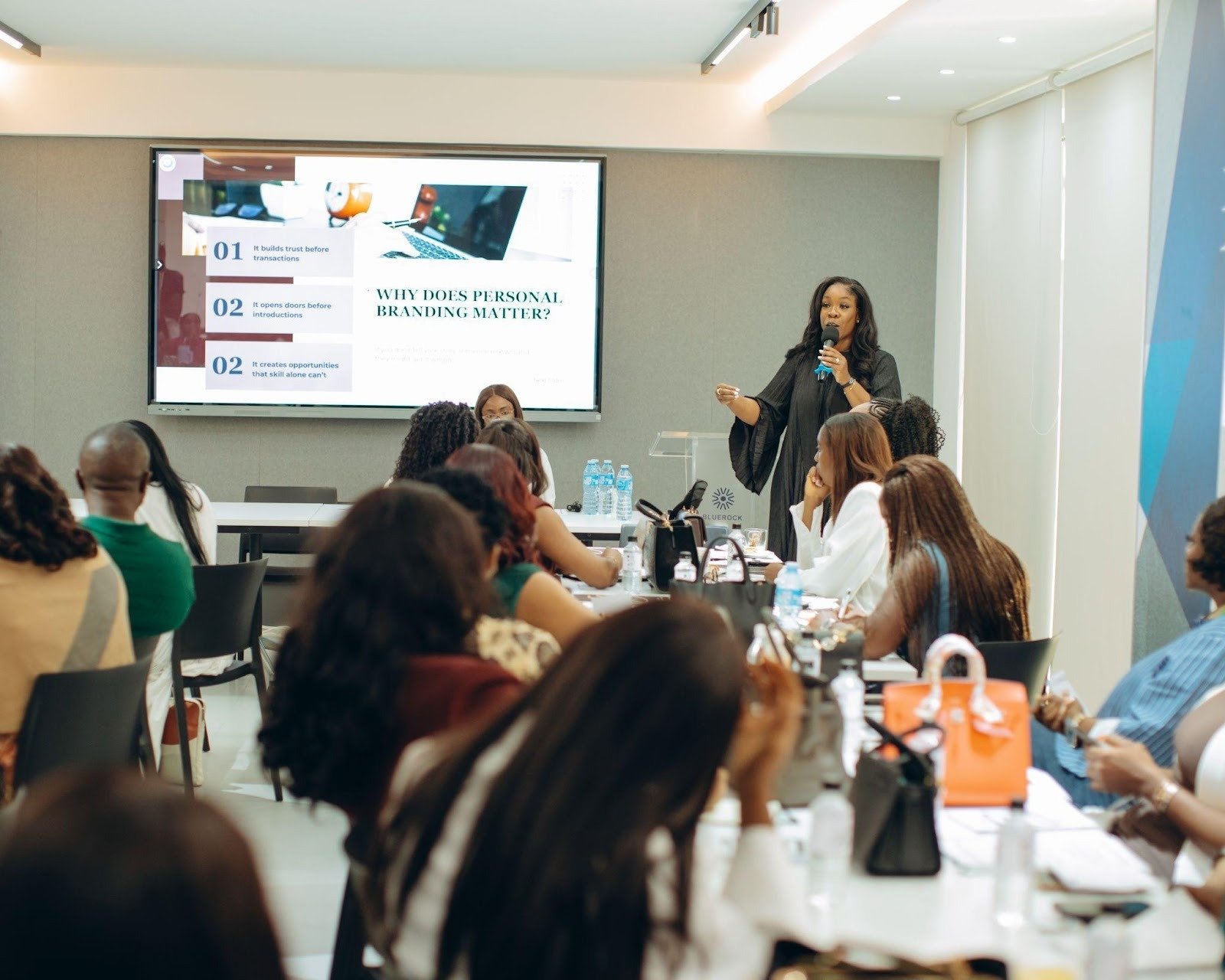
Beyond communications, I am deeply passionate about personal leadership and visibility. I am an author and a certified coach, and two years ago I published my self-help book, Born To Stand Out, a modern guide to building an authentic and impactful personal brand. Through my masterclasses and executive courses, I support leaders and entrepreneurs in discovering, refining, and amplifying their most authentic professional identities.
Most recently, I was appointed Vice President of Nile Luxury Cinemas, where I lead initiatives focused on developing luxury cinema experiences in unconventional and emerging spaces, redefining how audiences experience entertainment across new markets.
What first drew you to strategic communications, and how did your journey begin?
My journey into strategic communications was deeply influenced by my upbringing. My mother, who earned a Master’s degree in Communications from Boston University, built an impressive career in advertising with Grant Advertising before serving as Assistant General Manager, Marketing at Nigeria Airways.
Growing up, I watched her develop campaigns, engage the media, and shape public perception through intentional communication. Those early experiences gave me a front-row seat to the power of storytelling and strategic messaging long before I fully understood it as a profession.
After gaining professional experience in corporate America and Canada, I made the bold decision at the age of 25 to start my own agency, then known as The Bobby Taylor Company, which has since evolved into Robert Taylor Media nearly two decades later.
In the early days, I focused on smaller projects including brand activations, event management, and media relations. However, I quickly began to see the bigger picture, that communication, when approached strategically, is not just about visibility but about driving business growth, shaping reputation, and influencing outcomes.
That realization pushed me to continuously deepen my expertise, adopt global best practices, and expand into corporate and sustainability communications, where the stakes are higher and the opportunity for meaningful, long-term impact is even greater.
You’ve built an impressive career over two decades. What was a defining moment that shaped your direction?
A defining moment in my career came as I approached the 10-year milestone of building my agency. At that stage, I found myself reflecting deeply on sustainability, positioning, and the long-term vision for my business. While we had built strong credibility through lifestyle, events, and brand-focused projects, I recognized that in order to attract larger corporate clients and operate at a more strategic level, the agency itself needed to evolve.
This realization led to one of the boldest decisions I have made as an entrepreneur … the rebranding of the company from The Bobby Taylor Company to Robert Taylor Media. The transition was far more than a name change; it was a deliberate repositioning exercise designed to reflect maturity, scale, and strategic capability.
As part of that transformation, we introduced two distinct divisions: a corporate communications arm, focused on reputation management, sustainability, and strategic advisory, and a luxury and lifestyle division, serving premium brands and experiences.
That moment proved to be a true turning point for Robert Taylor Media. The rebrand opened doors to new industries, elevated the perception of the agency, and allowed us to compete confidently within the corporate communications space while still maintaining our strength in luxury storytelling.
More importantly, it reinforced a critical lesson for me as a leader, that growth sometimes requires the courage to redefine your own identity before the market demands it.
That decision ultimately shaped the trajectory of the agency and positioned us for the next decade of impact.
What inspired you to launch Robert Taylor Media, and what vision did you have at the start?
I launched Robert Taylor Media because I saw a gap in the market for a communications agency that could operate at the intersection of global standards and local nuance. Many organizations in Africa were struggling to tell their stories effectively on a global stage, and I wanted to build an agency that could bridge that gap, one that understood African realities but delivered world-class results.
My vision from the start was to create an agency known for excellence, innovation, and impact. I wanted us to be the go-to partner for organizations, whether multinationals entering African markets or African enterprises expanding globally, that needed sophisticated, strategic communications. Today, that vision is becoming reality. We work across multiple industries, advise governments, manage crises, build reputations, and tell sustainability stories that matter.
You’ve worked across multiple industries and with global brands. How do you adapt your communication strategy for such diverse spaces?
The core principles of strategic communications stay constant: clarity, authenticity, and understanding your audience, but how you apply them changes based on the industry, culture, and context.
When I work with an energy company, I’m thinking about sustainability, regulatory landscapes, and stakeholder management. With a luxury hospitality brand, the focus shifts to experience, aspiration, and emotional connection.
The key is really listening and doing thorough research. Before crafting any strategy, we immerse ourselves in our client’s world, understanding their business, challenges, competitors, and most importantly, their audiences. We don’t believe in cookie-cutter solutions. Every strategy we create is tailored and designed to deliver results specific to that client’s unique needs.
Our team’s diversity really helps too. We bring different perspectives, industry experiences, and cultural insights, which allows us to adapt quickly and effectively across sectors.
Crisis management and reputation building require calm leadership. How do you personally handle pressure in high-stakes situations?
Over the years, I have learned that in moments of crisis, leadership is less about reacting and more about regulating the room. People often take emotional cues from the leader, so my first responsibility is to remain calm, clear, and solutions-focused.
I approach high-stakes situations by first separating emotion from strategy. A crisis can feel urgent and overwhelming, but clarity comes from slowing things down enough to properly assess the facts, understand the risks, and identify the real issue and not just the visible one. Once there is clarity, communication becomes intentional rather than reactive.
Experience has also taught me the importance of preparation. Because we work extensively in reputation management, my instinct is always to anticipate scenarios, ask difficult questions early, and ensure there is a structured response framework in place. Preparation reduces panic. I constantly tell my clients about the importance of having a crisis management plan in place way before a crisis hits.
On a personal level, I rely heavily on perspective and discipline. I remind myself that every crisis is temporary, but how you respond can have a lasting impact on trust and credibility. I stay grounded, lean on my team’s expertise, and focus on guiding clients toward thoughtful, responsible decisions rather than quick fixes.
Sustainability storytelling is a strong focus in your work. Why do you believe it’s so important for businesses today?
Sustainability is no longer optional, it’s a business imperative. Stakeholders, from investors to consumers to regulators, are demanding transparency and accountability on environmental, social, and governance issues. But here’s the thing, doing good isn’t enough. You have to communicate it effectively.
That’s where sustainability storytelling comes in. It’s about helping organizations articulate their impact in ways that are authentic, compelling, and credible. It’s about moving beyond greenwashing to genuine narratives that demonstrate real commitment and progress.
For businesses in Nigeria especially, sustainability storytelling is an opportunity to position themselves as leaders in the global transition to a more sustainable future. African enterprises have incredible stories to tell, from renewable energy innovations to community development initiatives, and these stories need to be heard on the world stage.
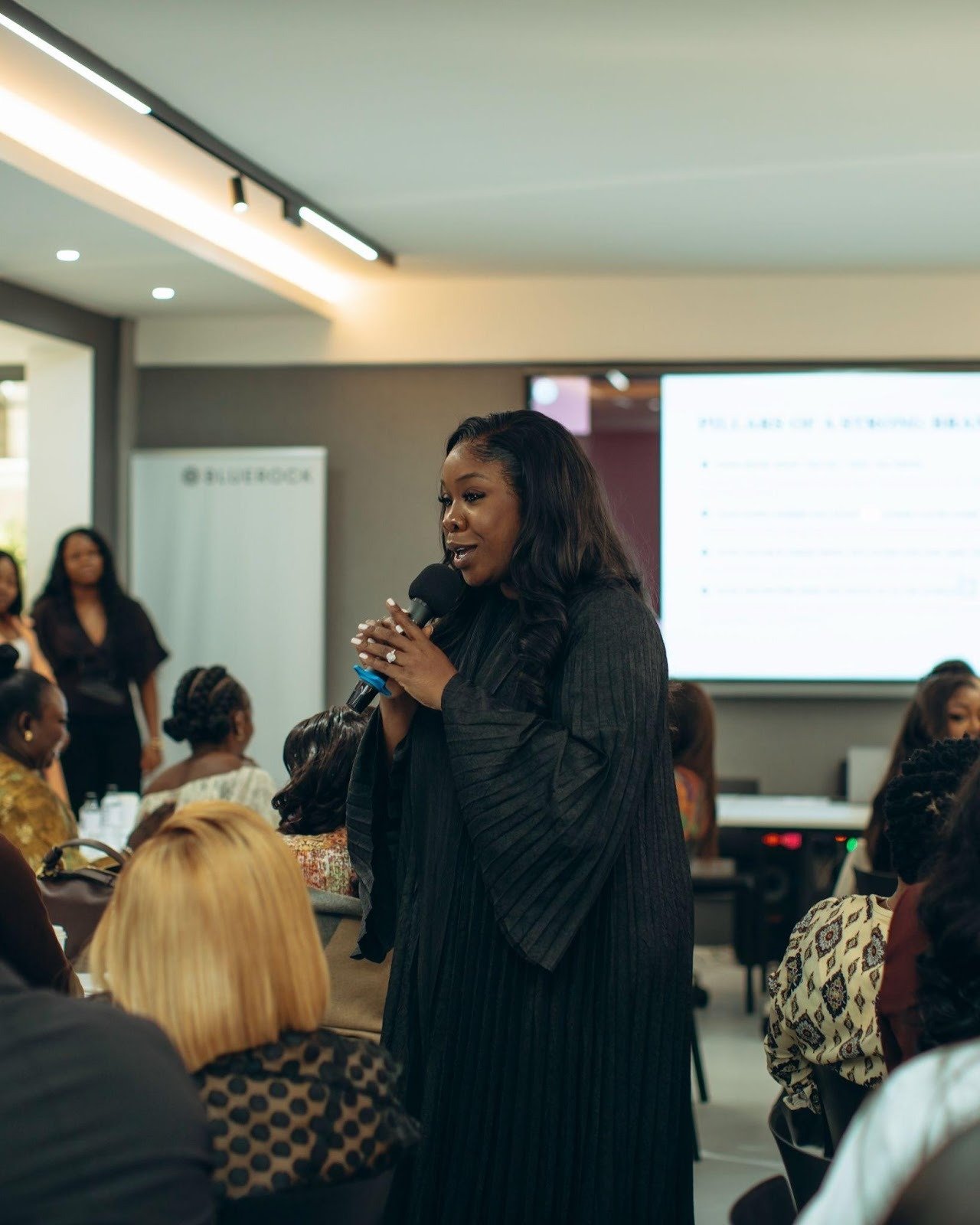
As a woman leading in Africa’s communications space, what challenges have you faced, and what helped you rise above them?
The challenges are real. I’ve navigated rooms where I was the only woman, dealt with assumptions about my capabilities, and faced the constant balancing act of running a business while managing personal responsibilities.
But I’ve learned that confidence isn’t something you’re born with, it’s something you build through preparation, persistence, and proof. Every time I delivered exceptional results, every time I exceeded expectations, I was building that confidence, not just in myself, but in what was possible for women in my industry.
What helped me rise above was a combination of things: mentors who believed in me, a supportive network of other women leaders, a relentless commitment to excellence, and a refusal to shrink myself to fit anyone’s expectations.
I also made a conscious decision to use my platform to lift other women. When you’ve climbed the mountain, you reach back and pull others up with you.
You are also an author and serve on several boards. How do you balance multiple roles while staying effective and grounded?
Honestly, I think balance is a bit of a myth. What I’ve learned is that it’s less about achieving perfect balance and more about making intentional choices and knowing your priorities. Some seasons demand more focus on the agency, others allow me to pour into writing or board work. The key is being fully present wherever I am and not feeling guilty for not doing everything at once.
The hats I wear are somewhat inter-twined and feed off of each other.
I stay effective by being disciplined with my time, building a strong team I can trust, and being clear about my non-negotiables. My family, and my health come first, everything else fits around those priorities.
I also try to make sure to make time for reflection and rest (I am not always successful).
It’s so easy to get caught up in the hustle (especially when you enjoy your hustle and it doesn’t really feel like work), but I’ve realized my best work happens when I’m rested, clear-headed, and grounded.
In your experience, what separates a good brand story from one that truly stands out globally?
Authenticity and emotional resonance. A good brand story informs, but a great brand story moves people. It connects on a human level. It makes you feel something, whether that’s inspiration, trust, belonging, or aspiration.
The brands that stand out globally are the ones that know who they are and aren’t afraid to own it and most importantly, know their audience. They don’t try to be everything to everyone. They have a clear identity, a compelling purpose, and they communicate consistently across every touchpoint.
Another differentiator is cultural intelligence. Global brands understand that what works in one market might not resonate in another. They adapt without losing their core essence. That’s the art of truly world-class communications, staying rooted in your truth while being flexible in how you express it.
What keeps you inspired and motivated during demanding seasons?
Impact keeps me going. When I see the tangible difference our work makes, helping a client navigate a crisis successfully, elevating an African brand on the global stage, or mentoring a young professional who goes on to achieve great things, that really fuels me.
I’m also deeply inspired by what’s possible for Nigeria. We are in exciting times where there’s incredible talent, innovation, and potential here. Being part of the generation that’s reshaping how Africa is perceived globally is incredibly motivating.
And my faith keeps me grounded. I genuinely believe I’m here for a purpose, and that belief gives me the strength to push through even the toughest seasons.
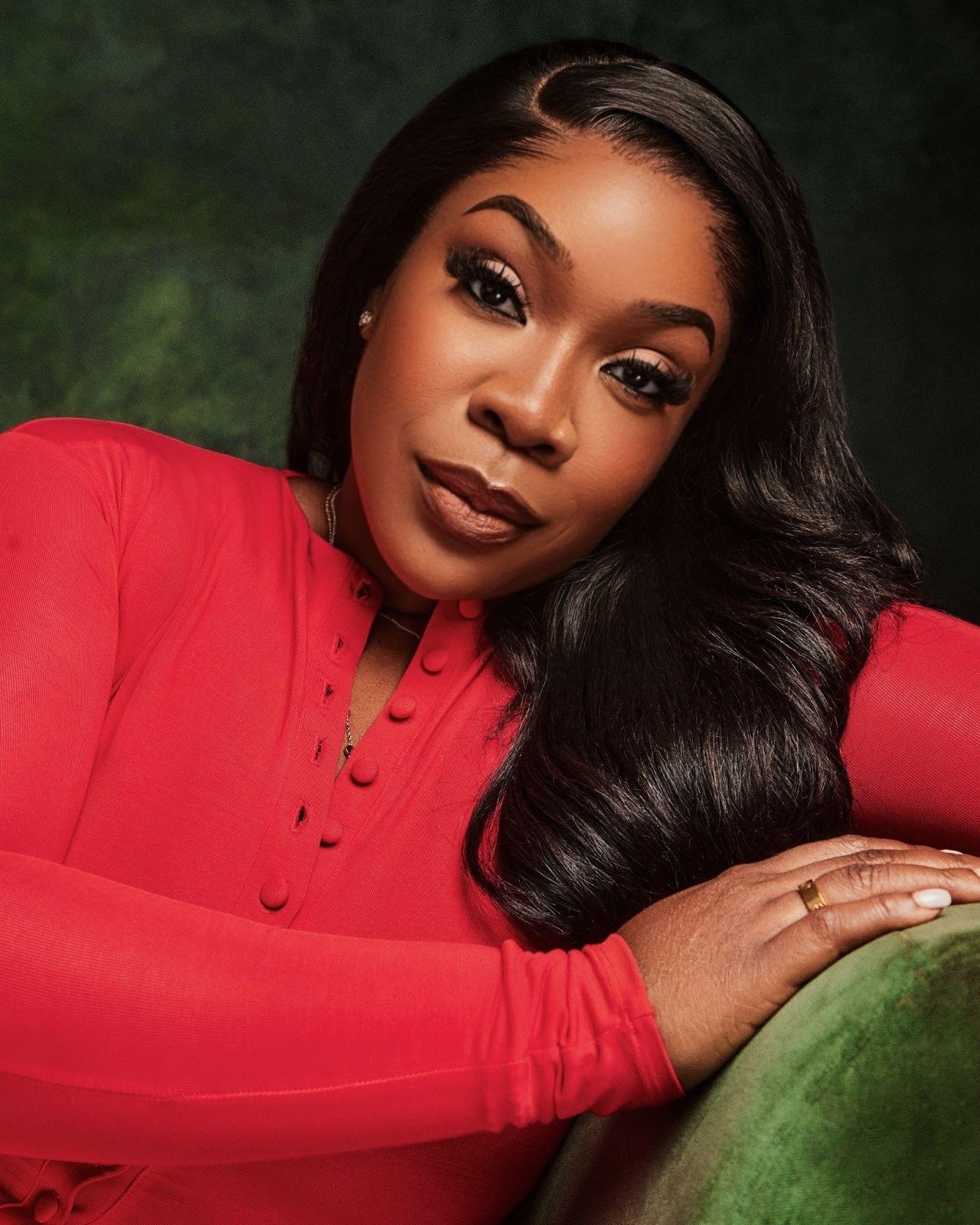
Finally, what advice would you give to young women who want to build influence and impact in the communications industry?
First, invest in excellence. Master your craft. Read widely, study global best practices, seek out mentors, and never stop learning. The communications landscape is evolving rapidly, and you have to stay sharp to stay relevant.
Second, build your personal brand. You are your most important asset. Define what you stand for, communicate it consistently, and show up with integrity every single day. Your reputation is everything in this industry.
Third, don’t be afraid to take up space. Your voice matters. Your ideas matter. Don’t wait for permission to lead, step into rooms with confidence, speak up, and contribute. The world needs your perspective.
Fourth, build relationships. This industry is about people. Network authentically, support other women, and remember that collaboration often takes you further than competition.
Finally, remember your “why”. There will be hard days, days when you doubt yourself, when things don’t go as planned. On those days, come back to why you started. For me, it’s about impact, legacy, and using communications as a force for good. That’s what keeps me going, and I believe it will keep you going too.