

Sometimes, the greatest freedom a woman can discover is knowing she can go anywhere on her own.
Once considered unconventional, solo travel has become one of the most meaningful ways women are redefining freedom, confidence and self-discovery. What begins as a journey to somewhere unfamiliar can become something far more personal, a chance to understand yourself when there is nobody else to plan around.
There was a time when travelling alone, particularly as a woman, was often seen as unusual, risky or even lonely. Today, that perception is changing. Women across generations are choosing to book the flight, pack the bag and explore the world on their own terms. For many, solo travel isn’t about proving they don’t need anyone. It’s about discovering that they can trust themselves.
Independence has traditionally been measured through familiar milestones. Getting a degree, building a career, earning your own money, moving into your own home and making decisions without relying on someone else are all important achievements. But there is another side to independence that is harder to measure. It’s the feeling of navigating a foreign city alone, sitting down for dinner somewhere nobody knows you, finding your way through an unfamiliar train station or changing your plans when something doesn’t go as expected.
These small moments can become surprisingly powerful.
The Shift From Waiting to Going
For generations, travel was often imagined as something shared. Family holidays, romantic escapes, group adventures and girls’ trips shaped the way we thought about seeing the world. While those experiences remain meaningful, they can also create the assumption that a trip isn’t worth taking unless someone else is available to come along.
Many women have found themselves waiting for a friend to have the money, a partner to have time off or family schedules to finally line up. Dream destinations can spend years sitting on mood boards and saved folders simply because the timing never seems right.
Solo travel offers another option: you don’t have to wait.
The decision to travel alone can represent a much bigger shift in how a woman sees her own life. Instead of allowing someone else’s availability to determine what she gets to experience, she makes the decision herself. The trip becomes hers from the very beginning.
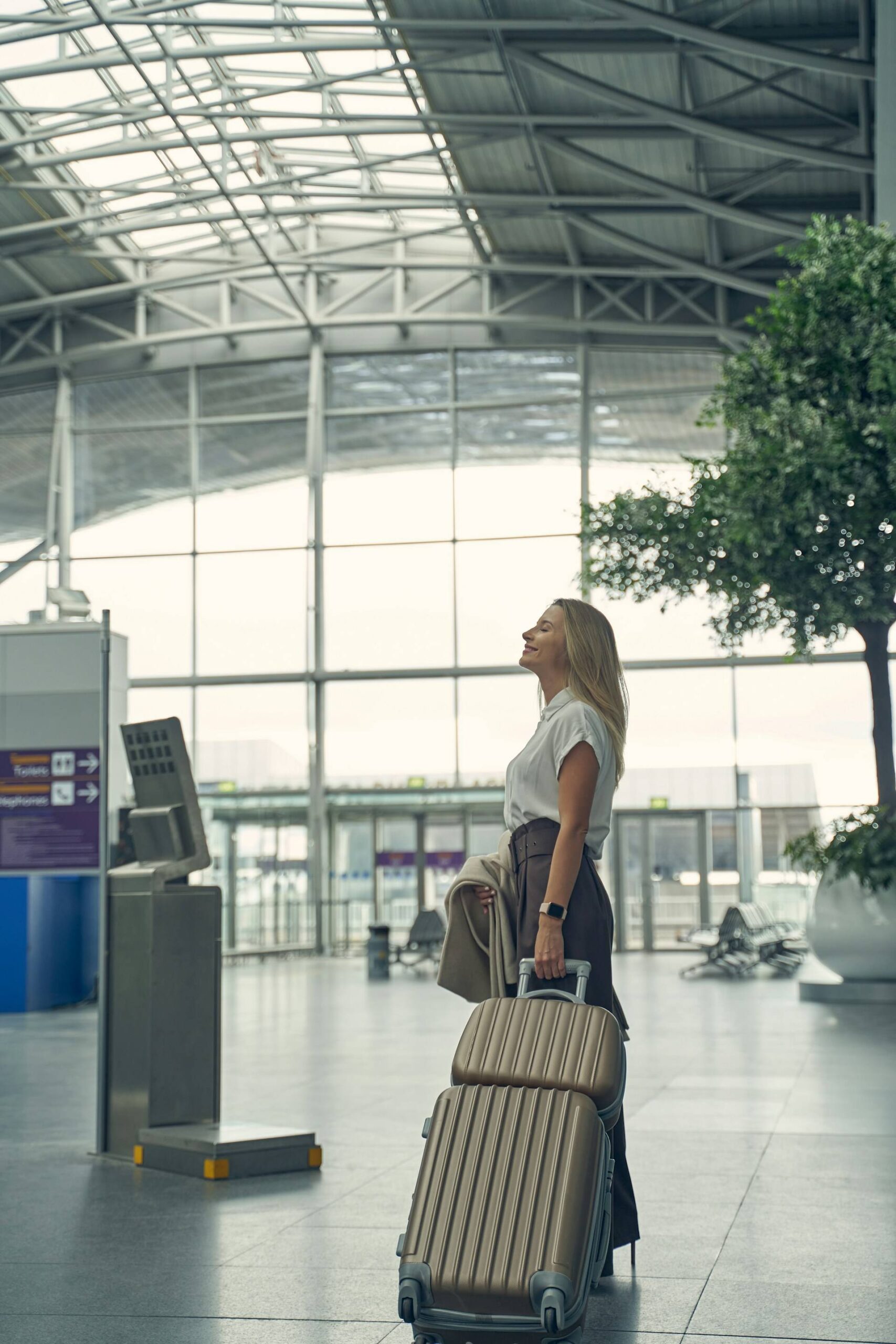
Learning to Trust Yourself
One of the most valuable lessons solo travel can offer is self-trust. In everyday life, decisions are often shared. We ask friends what they think, discuss plans with partners or look for reassurance before making a choice.
When you’re travelling alone, there is nobody else to make the final call.
You choose where to stay, what to see, when to leave, where to eat and how to spend your time. If the train is cancelled, you find another route. If you get lost, you stop, check the map and work it out. If your plans change, you adapt.
None of these moments are necessarily life-changing on their own. Together, though, they create something meaningful. You start collecting evidence that you can handle things.
Every problem you solve becomes a reminder that you’re capable. Every unfamiliar situation you navigate makes the next one feel slightly less intimidating. Confidence grows not because everything went perfectly, but because you discovered that you could cope when it didn’t.
A Different Kind of Confidence
Confidence is often portrayed as something loud and visible. It’s the person who speaks first in a meeting, commands attention in a room or appears completely comfortable in their own skin.
Solo travel reveals another kind of confidence.
It’s ordering food when you’re not completely sure what the menu says. It’s sitting alone in a busy café and realising nobody is paying as much attention to you as you imagined. It’s asking for directions, changing your plans or walking through an unfamiliar neighbourhood while trusting your instincts.
This confidence isn’t about appearing fearless. Solo travel often teaches the opposite. You can feel nervous and still go. You can be uncertain and still make a decision. You can miss home and still enjoy where you are.
Confidence becomes less about eliminating fear and more about learning that fear doesn’t always have to make the decision for you.
The Freedom of Being Alone
Perhaps one of the biggest surprises of solo travel is discovering the difference between being alone and being lonely.
When travelling with other people, there are always compromises. Someone wants to visit a museum while you want to sit outside with a coffee. One person wants an early start while another wants to sleep in. You choose a restaurant everyone will enjoy rather than the one you’ve been curious about.
Travelling alone removes those negotiations.
You can wake up when you want, change your plans halfway through the day, spend hours in a bookshop, sit beside the sea or have dinner whenever you feel like it. For women who spend much of their everyday lives thinking about other people’s needs, this freedom can feel especially significant.
For once, the question isn’t, “What does everyone else want to do?”
It’s, “What do I want?”
That can be a surprisingly powerful question.

Challenging Old Ideas About Women and Travel
The growing visibility of solo female travellers is also changing an older cultural narrative. Women have long been warned about the risks of moving through the world alone. Safety remains important, and travelling independently requires preparation, awareness and sensible choices. But being careful doesn’t have to mean believing that fear should determine the size of your life.
Women are increasingly researching destinations, learning from other travellers, joining travel communities and sharing their experiences online. As more women travel independently, the image of the solo female traveller is becoming less unusual and more familiar.
Representation matters. When women see others confidently exploring the world alone, they are more likely to imagine themselves doing the same. What once seemed impossible can start to feel possible.
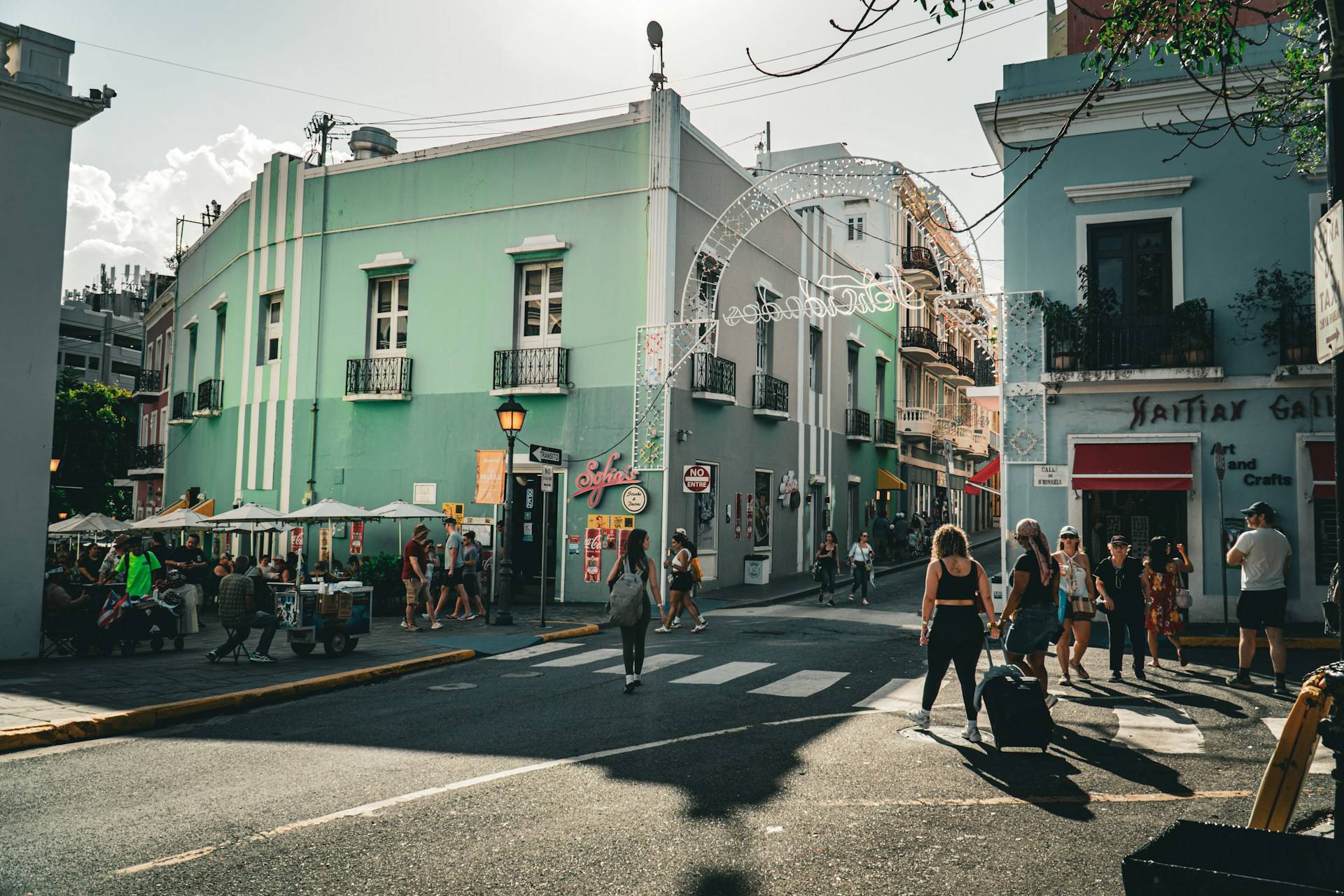
What You Bring Home
The most meaningful part of solo travel often happens after the suitcase has been unpacked.
The confidence developed abroad can follow you home. You may find yourself speaking up more at work, making decisions more easily or feeling less uncomfortable doing things alone. You may become more willing to try something without waiting for someone else to join you.
Independence doesn’t mean refusing support or pretending you don’t need other people. It means knowing that being supported by others isn’t the same as depending on them for your sense of direction.
You can love someone deeply and still have a life that belongs to you. You can enjoy travelling with friends and still want to travel alone. You can want companionship without waiting for it before you start living.
Perhaps that’s why solo travel has changed the meaning of independence. It has moved the idea away from simply managing life alone and towards something more personal: trusting yourself enough to make your own choices.
Independence isn’t about being fearless. It’s about being comfortable with your own company, making decisions for yourself and giving yourself permission to want something.
Sometimes that first step is a flight booked for one.
Sometimes it’s a table reserved for one.
And sometimes, it’s simply the decision to stop waiting.