“I’m still standing, still learning and still passionate.”
From childhood fashion inspirations to building international labels, Carlotta’s journey is one of ambition, reinvention and resilience. In this exclusive conversation, she shares what it really takes to turn creative vision into a successful fashion business, and why passion is only the beginning.
Get to Know the Woman, Her Journey and the Vision That Drives Her.
Carlotta, could you tell us a little about your journey in fashion, what first inspired you to pursue it, and how you went from designing to building your own labels? What are you focusing on today?
I think fashion was part of my life long before I even understood what a fashion designer was.
I grew up in Russia with Italian parents. My mother had a wonderful, individual sense of style and loved looking through Burda and Italian fashion magazines for inspiration.
But the real magic happened at our kitchen table.
My nanny, who was like a grandmother to me, was a tailor by trade. My mother would find something she loved in a magazine, and my nanny would bring it to life. I would lie on the kitchen table, completely fascinated, watching fabrics being cut and ideas becoming actual garments.
Another big influence was dance. From the age of six to fourteen, I attended the Bolshoi children’s dance academy, surrounded by costumes, colours, movement and beautiful construction.
Although I never became a ballerina, those years taught me something incredibly valuable about design: how a garment can have structure without being heavy, fit close to the body without restricting it, and move beautifully with the person wearing it.
It also gave me discipline and a different eye for construction, something that has stayed with me throughout my career.
And to make my childhood even more entertaining, I was also watching Mexican telenovelas about a fashion designer!
So there I was, sketching dolls, watching my nanny sew, surrounded by ballet costumes and getting my daily dose of fashion drama. Looking back, I suppose my career choice was inevitable!
Years later, I built my own fashion labels, including Carlotta Gherzi for Sado and MLML London, showcasing internationally from London and Milan to Paris, New York, Berlin and Moscow. My designs have been worn by Kendall Jenner, Gigi Hadid and Sienna Miller and featured in international fashion publications.
But building a label taught me something that little girl on the kitchen table couldn’t have imagined: creating beautiful clothes and building a successful fashion business are two very different things.
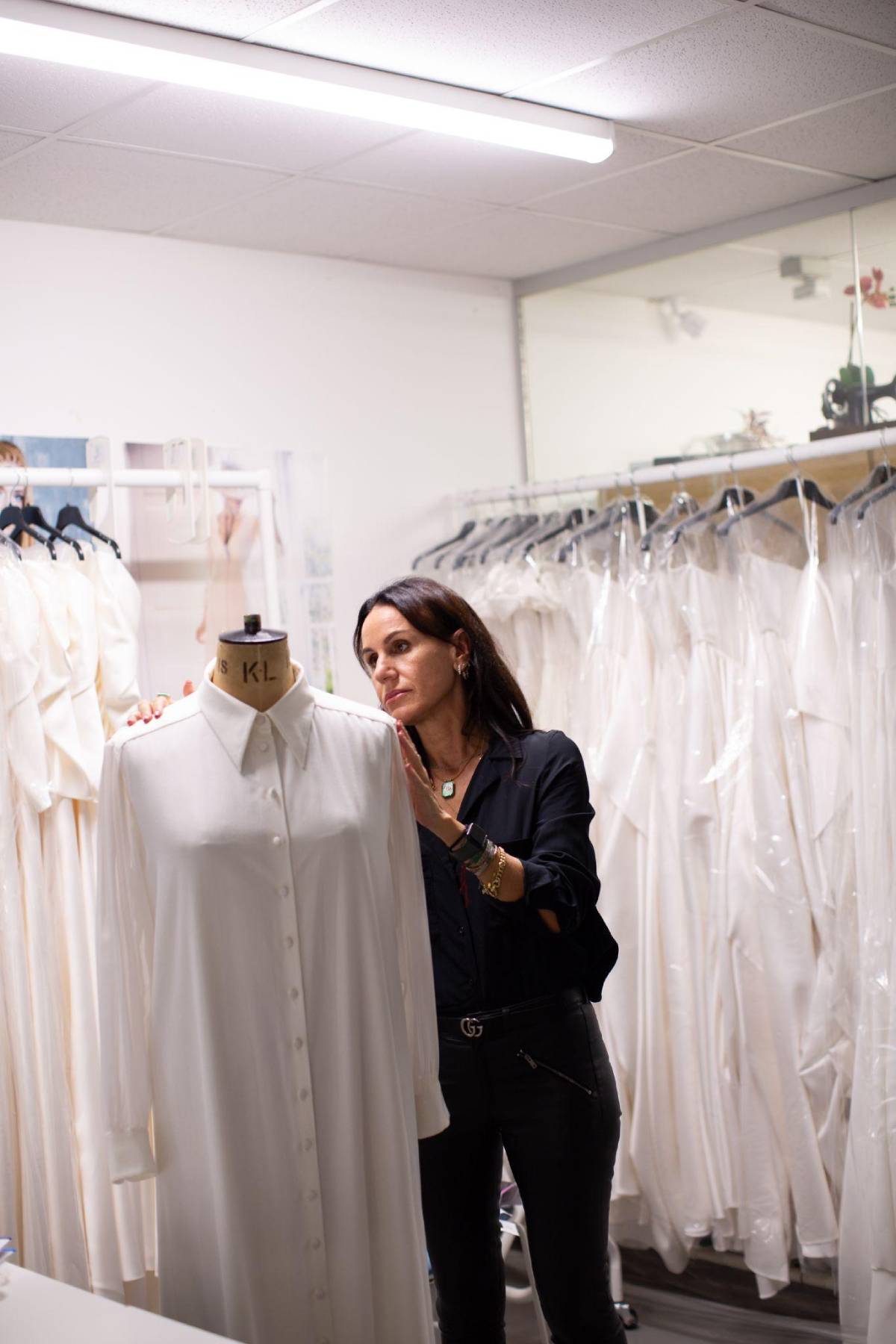
Today, alongside my design work, I consult and mentor emerging fashion founders through my CGB Method™, helping them turn creative ideas into commercially viable brands, from concept and product development to manufacturing and strategy.
And perhaps that’s where the story comes full circle.
I grew up watching my nanny turn my mother’s ideas into real garments, while dance taught me how those garments should move with the body. Today, I help other people turn their ideas into real fashion businesses.
The industry has changed, the tools have changed, but my passion for bringing an idea to life has never left me. And the learning never stops!
Instagram @Carlotta Gherzi
What has been one of the biggest challenges in your career, and how did you overcome it?
They say a cat has nine lives. Well, I think I’ve had about 25 in the fashion industry, and I’m still standing! Differently, perhaps, but standing.
I started as a young girl with a dream bigger than her heart, enormous passion and absolutely no industry contacts.
I had studied Fashion Design and Marketing, but nothing prepares you for building your own label. I had to learn everything, from PR and sales to manufacturing and logistics. And believe me, finding factories before today’s technology was an adventure in itself!
I designed by night, sold by day and became a shipping specialist somewhere in between!
I’ve had my designs copied by people I trusted, found my way into international Fashion Weeks without connections, opened my dream boutique and eventually closed it. Then COVID arrived, and once again, I had to reinvent myself.
I cried a lot. Building a fashion business is emotionally demanding! But I never stopped believing in myself.
And along the way, I met extraordinary people who believed in me, gave me that little push and said, “Come on, let’s go!”
And I did.
Because if there’s one thing I’ve learned, it’s that without passion, dreams, stamina and rolling up your sleeves, you’re pretty much going nowhere!
But passion alone isn’t enough. You need humility, curiosity, commercial understanding and the courage to start again when something isn’t working.
Today, I’m sharing those lessons with newcomers, helping them avoid some of my expensive mistakes.
I’m still standing, still learning and still passionate. And believe me, I’ve learned how to find another door when one closes!
After more than 25 years in fashion, what is the most important lesson your experience has taught you about building a successful brand?
Clarity before design. Always.
A beautiful product doesn’t automatically create a successful business.
You need to understand who your customer is, why they need your product, what makes it different and whether the numbers actually work, and how customers will connect with it emotionally.
I’ve met founders with incredible creative ideas, but when I ask them who their closest competitor is or why somebody would buy their product, they struggle to answer.
That’s where I stop them.
Not because I don’t believe in their idea, but because I don’t want them spending thousands of pounds trying to discover something they could have researched first.
The most successful brands aren’t necessarily the ones with the biggest collections.
They’re the ones that know exactly what they stand for.
Many aspiring designers dream of launching their own labels. What should they understand about the business side of fashion before they begin?
First, understand that you’re not just starting a fashion label. You’re starting a business.
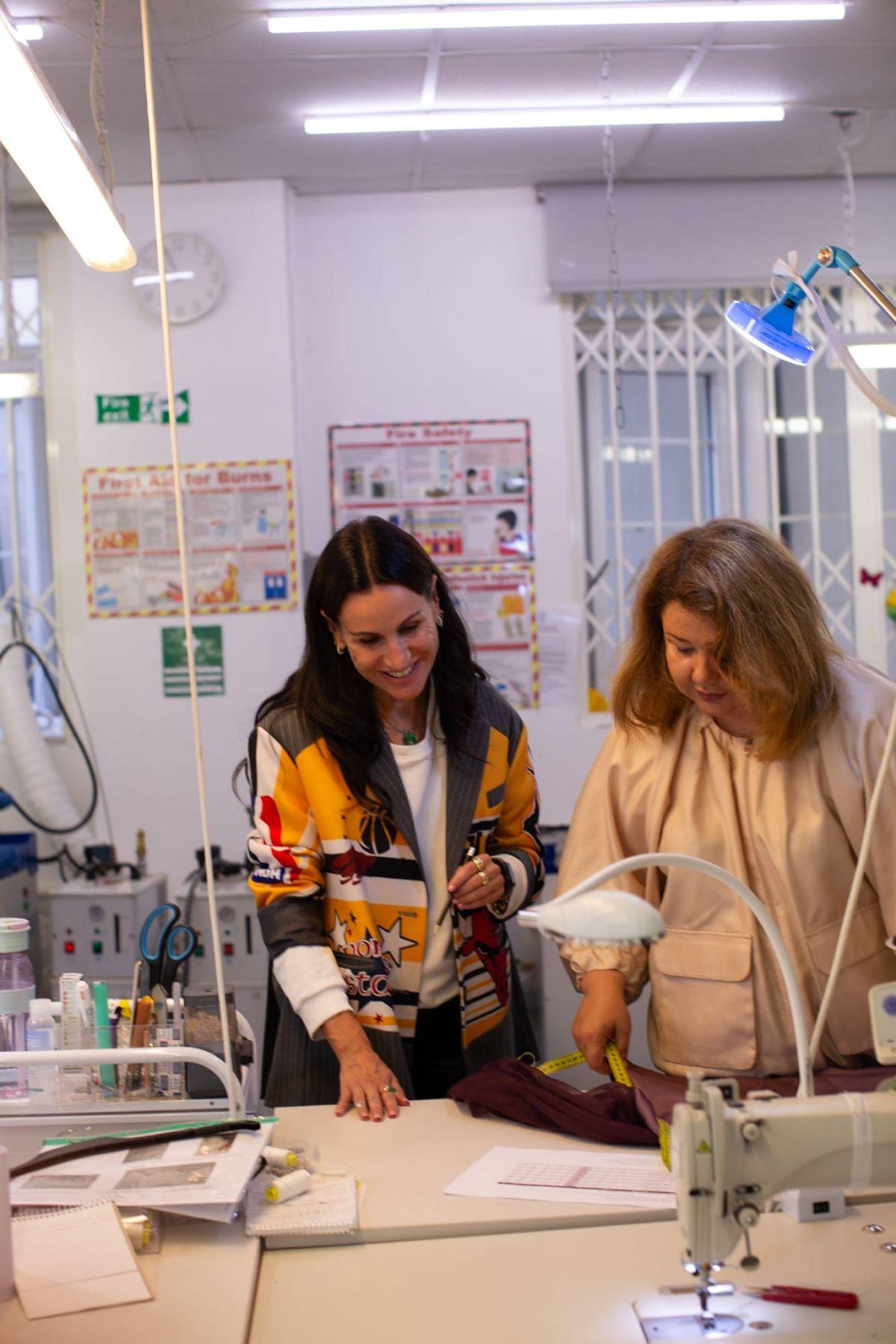
Designing the clothes is only one part of it. With AI, it can now seem incredibly easy to create a design. But turning that image into a properly fitted garment takes skills that AI cannot replicate.
You need to understand your customer, competitors, pricing, profit margins, marketing, manufacturing, stock and cash flow. You also need to understand body measurements, fit and garment construction inside out.
And please, don’t assume that because your friends love your designs, you’ve automatically found your market!
Your friends are not necessarily your customers.
I often meet founders who are ready to approach factories before they’ve even worked out how much their product needs to retail for.
That’s doing things backwards.
The factory shouldn’t be the place where you discover what your brand is.
Do the groundwork first. It might not be the most glamorous part of fashion, but it’s the part that can keep your business alive.
You believe in clarity before design. How can a founder know whether their fashion idea has real potential in the market?
I always say, test the idea before you test production.
And remember, just because a strategy works for one brand doesn’t mean it will work for yours. Every brand has its own DNA, its own heart, its own signature and, ultimately, its own journey.
I learned that lesson myself, sometimes the expensive way!
One of my dreams was to open my own boutique, and I did. It was an incredibly exciting moment, but looking back, it was also one of the biggest commercial mistakes I made.
Do I regret it? Absolutely not.
It was a costly lesson, yes, but it gave me something incredibly valuable: the opportunity to understand women as customers, not just as a designer imagining what they might want.
I could observe how they shopped, what attracted them, what they tried on, what they loved and, most importantly, what they actually bought.
And believe me, those aren’t always the same things!
When I eventually closed my bricks-and-mortar shop, I didn’t see it as a failure. I saw it as a moment to reassess, learn and change direction.
Sometimes you have to recognise that a particular business model isn’t working, even when it’s something you’ve dreamed of doing.
That doesn’t mean your brand has failed. It means you need to rethink your strategy.
And that’s exactly why I encourage founders to do their groundwork before investing heavily.
Start with the customer.
Who are they? What are they buying already? What frustrates them about the products available? What would they genuinely pay for something better?
Then look at your competitors. Not just the big luxury houses you admire, but the brands that are perhaps three or four years ahead of where you are today.
Understand what they’re doing well and where there might be an opportunity. But don’t simply copy their strategy. Their customer, budget and business model might be completely different from yours.
You can also test interest through content, conversations, small product trials or pre-orders, depending on the business.
I don’t need everybody to love your idea.
I need evidence that the right customer cares enough to actually pay for it.
Because there’s a very big difference between somebody saying, “That’s beautiful,” and somebody actually taking out their credit card.
And sometimes the smartest business decision isn’t to keep pushing forward with the original plan. It’s to have the courage to change it.
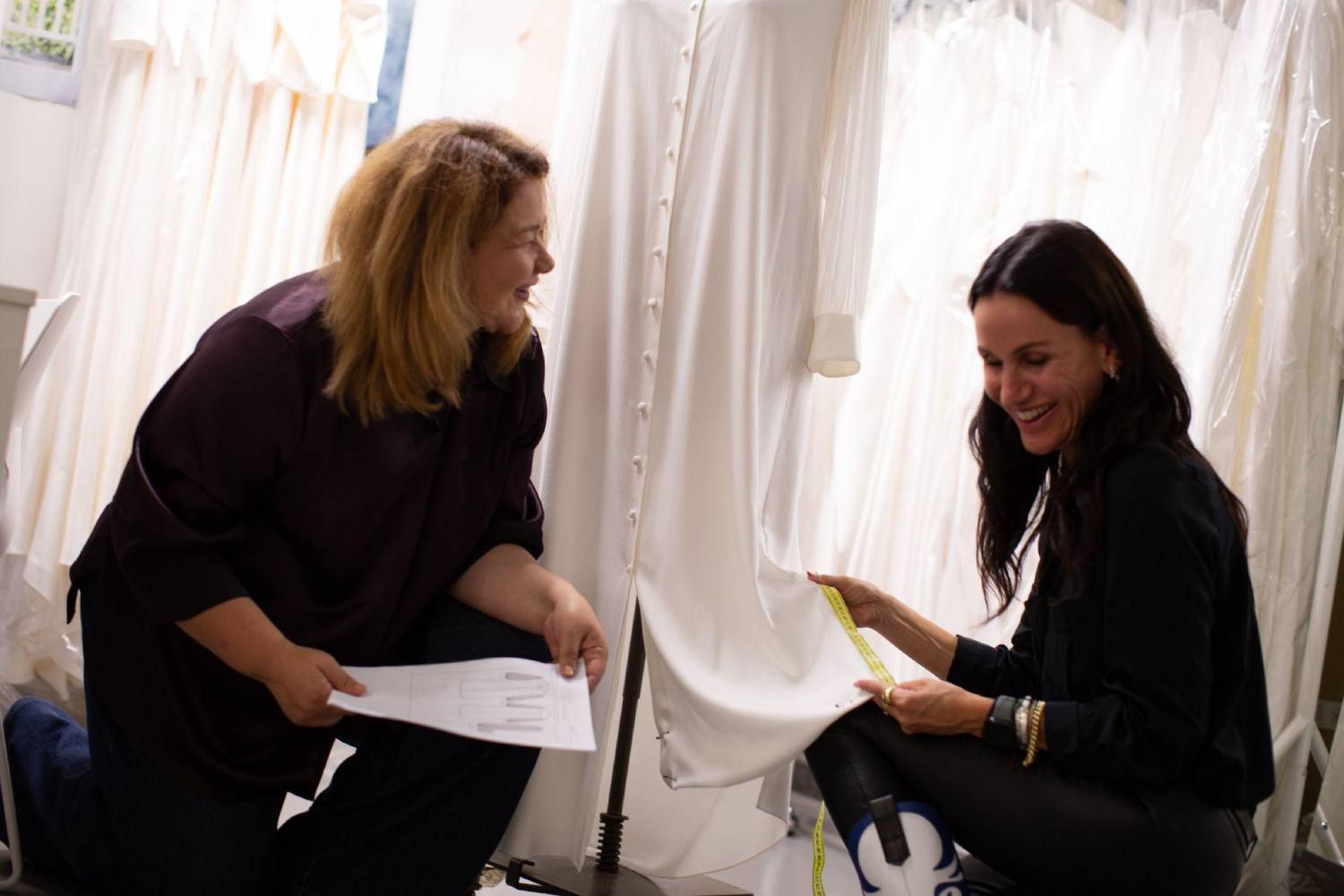
Through your CGB Method, you guide founders from concept to growth and brand identity. How does this approach help turn an initial idea into a clear business plan?
I developed the CGB Method™ from my own experience of building fashion brands, making mistakes, learning the hard way and understanding what it really takes to turn creativity into a business.
My philosophy is simple: clarity before design. Always.
Before we start discussing beautiful fabrics or factories, I want to know who your customer is, what makes your idea different and whether the numbers actually work.
The method follows five stages: Concept, Garment Strategy, Design & Development, Production Strategy and Brand Coherence. Each decision needs to support the next.
Sometimes founders arrive with ten wonderful ideas, but they don’t yet have one clear business!
I also believe you shouldn’t have to spend thousands just to understand where to begin. That’s why I created two practical resources, sharing my experience and some of the industry contacts I’ve built over the years.
My Fashion Start-Up Guide helps founders build their foundations, while my Production Partner Directory provides access to 30 fabric, trim and manufacturing contacts.
But please, don’t rush to contact factories just because you have their details. Do your homework first!
My goal isn’t simply to help someone create beautiful clothes. It’s to help them build a brand that makes sense creatively, commercially and for the customer.
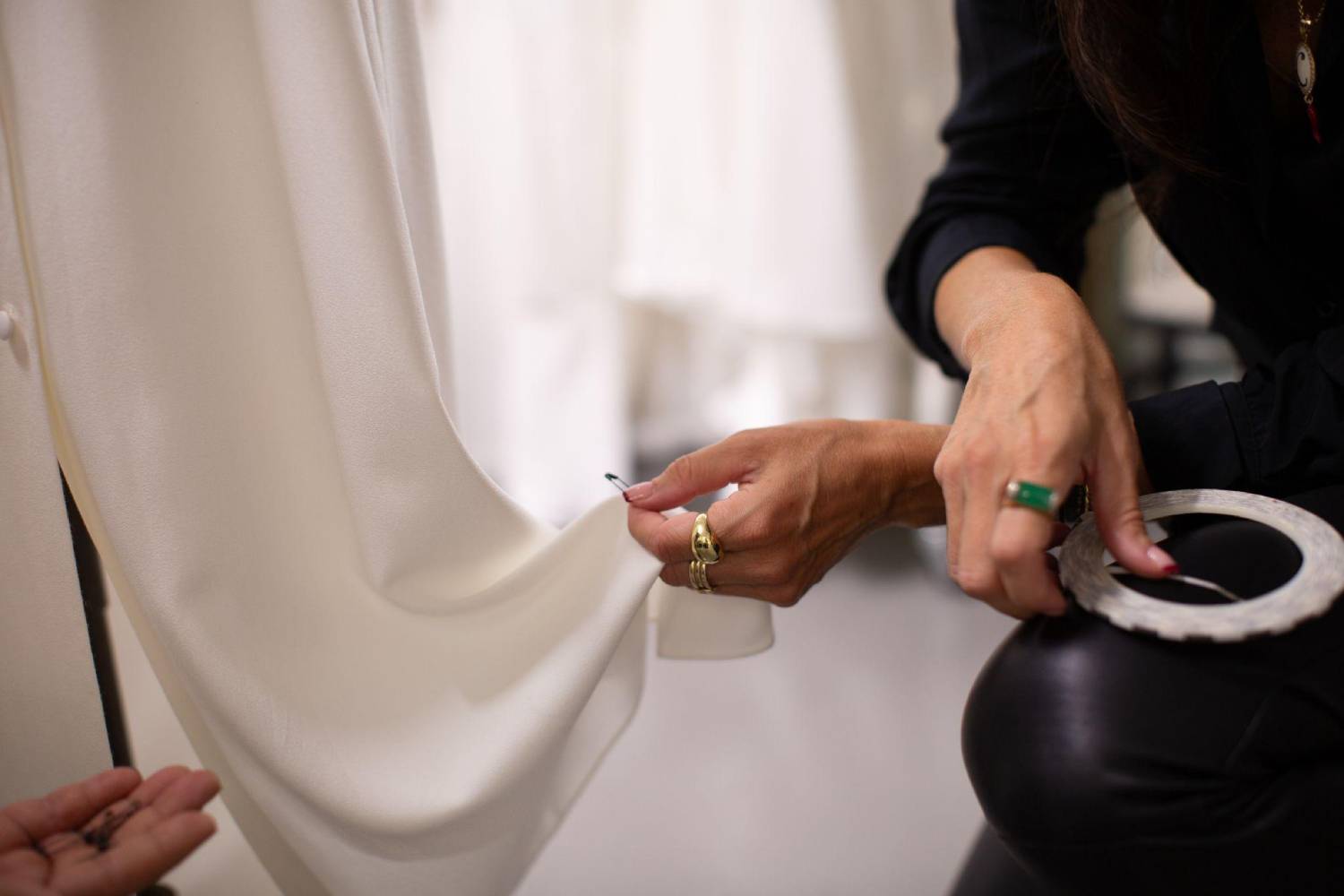
For a new fashion brand working with a limited budget, where should the founder invest first, and what can wait until later?
I would invest in clarity first, product second, production third and marketing in a way that supports a realistic launch.
Get your concept right. Understand your customer. Develop one or two brilliant products. Make sure the fit, fabric, costing and manufacturing are right.
And please keep some money aside to actually launch and sell the collection!
What I wouldn’t do is spend half the budget developing ten styles, producing hundreds of units or creating an extravagant campaign before proving that anybody wants the product.
You don’t need a huge collection to be taken seriously.
Sometimes one fantastic blazer, dress or jacket can establish a brand far more effectively than twenty average pieces.
Stock is money wearing clothes. Don’t leave all your money hanging on a rail.
From choosing fabrics and developing designs to finding manufacturers, what should founders know before moving into production?
Factories are not mind readers!
I see so many founders approaching manufacturers with Pinterest images or AI-generated sketches, expecting them to work everything out. That’s a very expensive way to learn!
Before production, understand your fabrics, construction, sizing, fit, quantities, costs and technical specifications. Preparation is everything.
And please, don’t choose a factory simply because they offer the cheapest quotation.
Your manufacturers are not just suppliers. They become part of your team. Nurture those relationships as carefully as you nurture your brand.
Teamwork is everything in this industry. Listen to their advice, respect their expertise and build trust. A good manufacturer can become one of your greatest assets.
Successful production comes down to preparation, communication and mutual respect.
And remember, every decision you leave vague becomes a decision somebody else makes with your money.
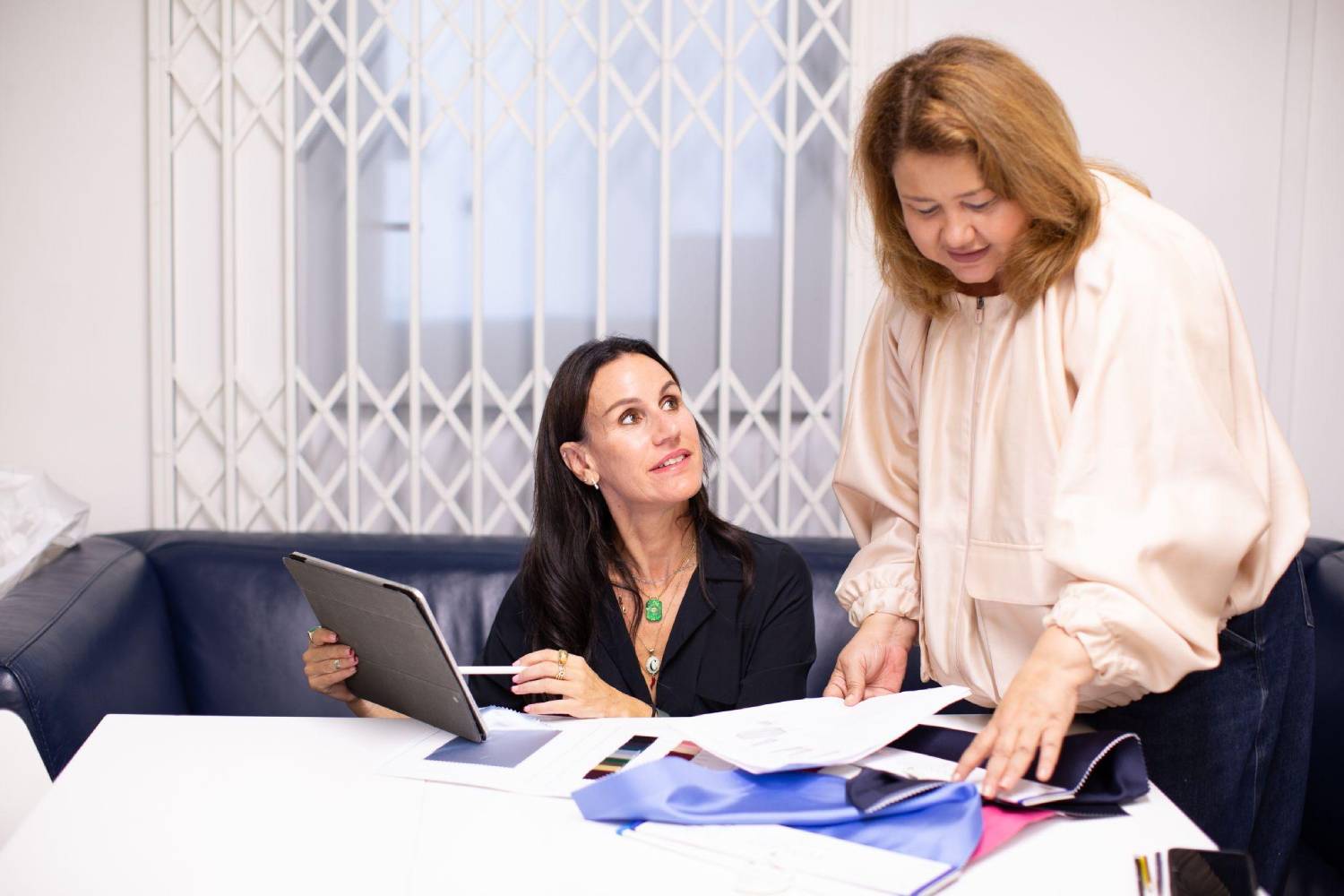
The fashion market is highly competitive. How can emerging brands create a distinctive identity without simply following trends?
Stop trying to be everything to everybody!
Sometimes your niche is already right in front of you. Your personal story, your style or something you genuinely believe in can become the foundation of a powerful brand.
I recently worked with a founder exploring several product categories, but when we looked closely at her personal style, one product kept appearing. That was our starting point.
A strong brand doesn’t need to chase every trend. It needs a recognisable signature, whether that’s through silhouette, fit, fabric, functionality or storytelling.
I’d rather see a brand become known for one exceptional product than launch a collection that looks like five different brands having an identity crisis!
As a woman and mother building a career in fashion, how have your personal experiences shaped the way you work, lead and define success?
Being a woman in fashion has taught me resilience, but becoming a mother completely changed my perspective on success.
There’s still this idea that women have to choose between motherhood and their careers, that having children means compromising their ambitions or putting their dreams aside.
I never saw it that way.
Motherhood was never a career stopper for me. If anything, it gave me even more determination.
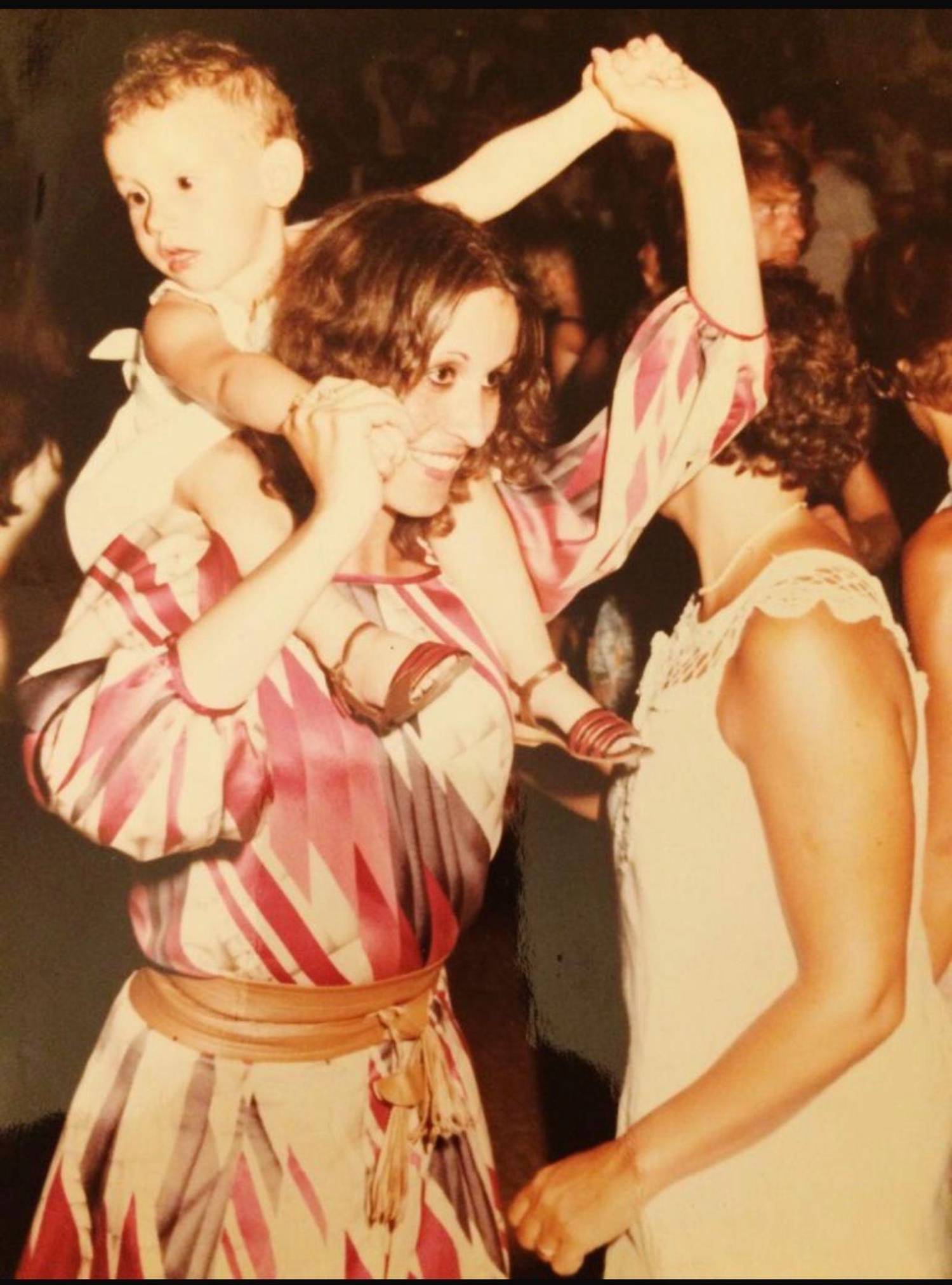
I took my son everywhere with me. He was barely six months old when he was sitting front row at one of my fashion shows! While other babies were surrounded by nursery toys, mine was surrounded by fabrics, models and the wonderful chaos of backstage fashion.
He’s now 15 and still Mummy’s little helper, whether we’re collecting rolls of fabric at 6.30 am before school or visiting trade shows during his holidays. He even collects business cards!
He’s always been my little second half, and I hope watching me work has taught him that dreams require determination, sacrifice and hard work.
You cannot just sit on your bum and expect everything to arrive on a silver platter!
Between building my first and second fashion labels, I went through a life-threatening medical experience following medical misconduct. It was an incredibly difficult chapter, but one that gave me the strength of a lioness. My son became an even greater reason to keep moving forward and build a future for us.
Motherhood doesn’t take away from who you are. Sometimes it evolves you into somebody you didn’t even know you were capable of becoming.
It’s also shaped the way I mentor fashion founders. I’m protective of my clients, especially those investing their savings into a dream. I’ll encourage them, absolutely, but I’ll also challenge them when I see an expensive mistake coming.
I can be a little feisty – I am Italian, after all!
Today, success isn’t simply about international fashion shows or recognition. It’s about independence, making my own choices, continuing to grow and being present for the people I love.
And perhaps one of my proudest achievements isn’t something I’ve created on a runway. It’s knowing my son has grown up watching a woman who never stopped believing in her dreams.
Motherhood didn’t stop my journey. It became part of the reason I kept going. It gave me not only a reason to live life fully, sometimes with fear, but also a purpose to wake up every day and move forward with my head held high. And it taught me to look at life and the brands I now help build from every angle.
When working with a fashion founder, what signs tell you that they are ready to grow, and when might they need to rethink their strategy?
I’m actually very selective about the clients I work with.
Interestingly, many of my clients don’t come from the fashion industry at all. They’re entrepreneurs from financial or completely different professional backgrounds, often with an interesting personal story and an idea they simply don’t know how to bring to life.
What I look for is potential, determination and resilience. That fire in somebody, that genuine desire to build something, even if they don’t yet know how.
Because that’s where I can make a difference.
I’m also not your stereotypical consultant! I make my clients laugh, I challenge them and, most importantly, I make them think outside the box.
Sometimes all you need is somebody beside you who taps you on the shoulder and says, “Think deeper. Go on. Try!”
And if I take you on board, I’m there for you. I bring everything I’ve learned throughout my career, including the expensive mistakes, my experience, my industry connections and the determination to help you avoid unnecessary setbacks and perhaps create something extraordinary.
But passion alone isn’t enough. A founder still needs to understand their customer, their numbers and whether there’s a real market for their product.
Sometimes the best advice I can give is not to expand, but to rethink the strategy. And sometimes I have to tell somebody that I’m simply not the right consultant for them.
I’d much rather be honest than take somebody’s money when I don’t believe they’re ready.
For me, the right founder isn’t necessarily the one who knows everything. It’s the one who has the courage to think differently, the determination to learn and the resilience to keep going.
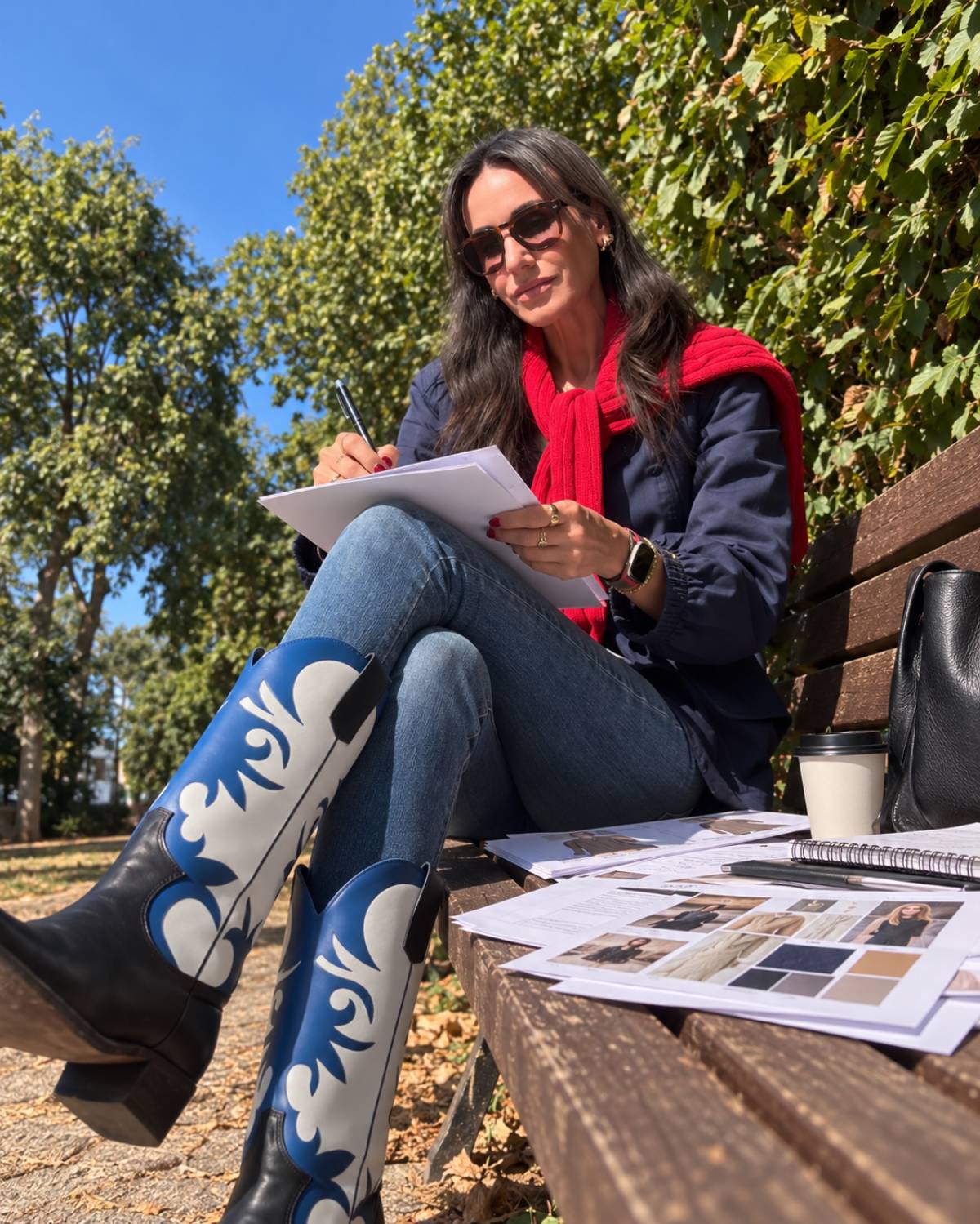
Looking ahead, what changes do you see shaping the future of the fashion industry, and what should new founders do today to prepare for them?
I think fashion is entering an exciting period, shaped by technology, AI, changing consumer expectations and a much greater focus on well-being.
AI is a fantastic tool, and I use technology in my own work. But let’s be clear: a beautiful AI-generated image is not a production-ready garment! You still need to understand fabrics, construction, fit and, most importantly, your customer.
What I find particularly interesting is how fashion is moving beyond simply looking good. We’re seeing more brands exploring wellness, mental and emotional well-being, and how clothing can actually make us feel.
I also see enormous potential in collaborations between brands and industries that perhaps wouldn’t have worked together before.
Looking towards 2027 and beyond, I believe we’ll see more innovation combining fashion with skincare, fabric technology and well-being. Imagine garments that don’t just look beautiful but offer something beneficial to the person wearing them.
For emerging founders, my advice is to embrace innovation, but don’t lose sight of your brand’s identity or your customer.
Test your ideas, build genuine relationships and don’t rush into production simply because technology makes it easier to create a collection.
The future of fashion isn’t just about what we wear. It’s about how it makes us feel, what it does for us and why it deserves a place in our lives.