
Teenagers are rarely invited into conversations that shape the future. At Davos 2026, students from Institut auf dem Rosenberg were not only part of those discussions, but they helped lead them.
During World Economic Forum week, while heads of state, business leaders, scientists, and innovators gathered to debate the world’s most pressing challenges, a group of students joined them. They asked questions, moderated discussions, challenged assumptions, and contributed their own perspectives on issues ranging from artificial intelligence and sustainability to diplomacy and education.
Those conversations would later become the foundation of the Rosenberg Youth Manifesto, a student-led blueprint for leadership, innovation, sustainability, and the future young people hope to help shape.
When people think of Davos, they usually picture presidents, prime ministers, business leaders, and influential thinkers gathering to discuss the future.
Few imagine teenagers sitting alongside them.
Yet in January 2026, students from Institut auf dem Rosenberg did exactly that.
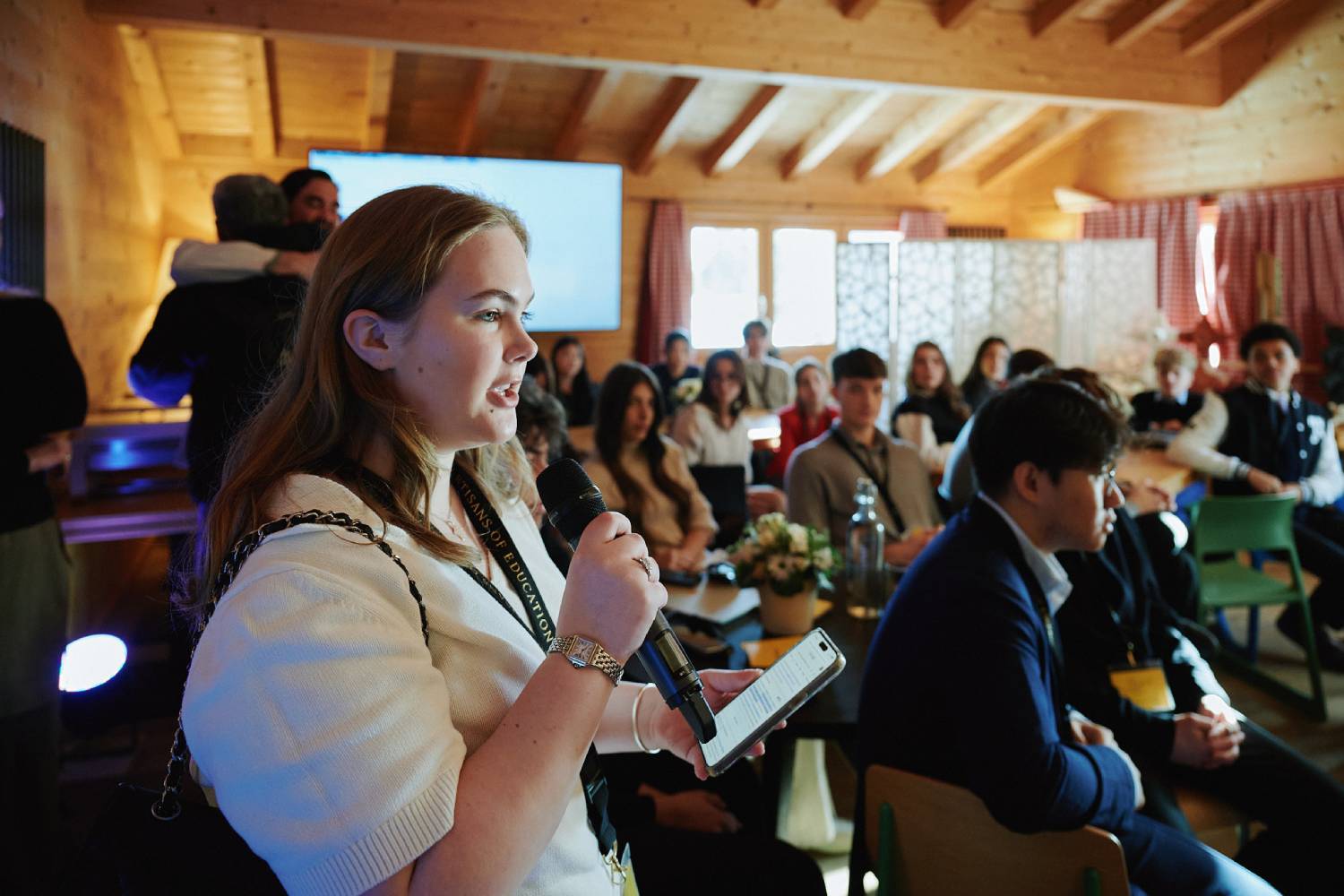
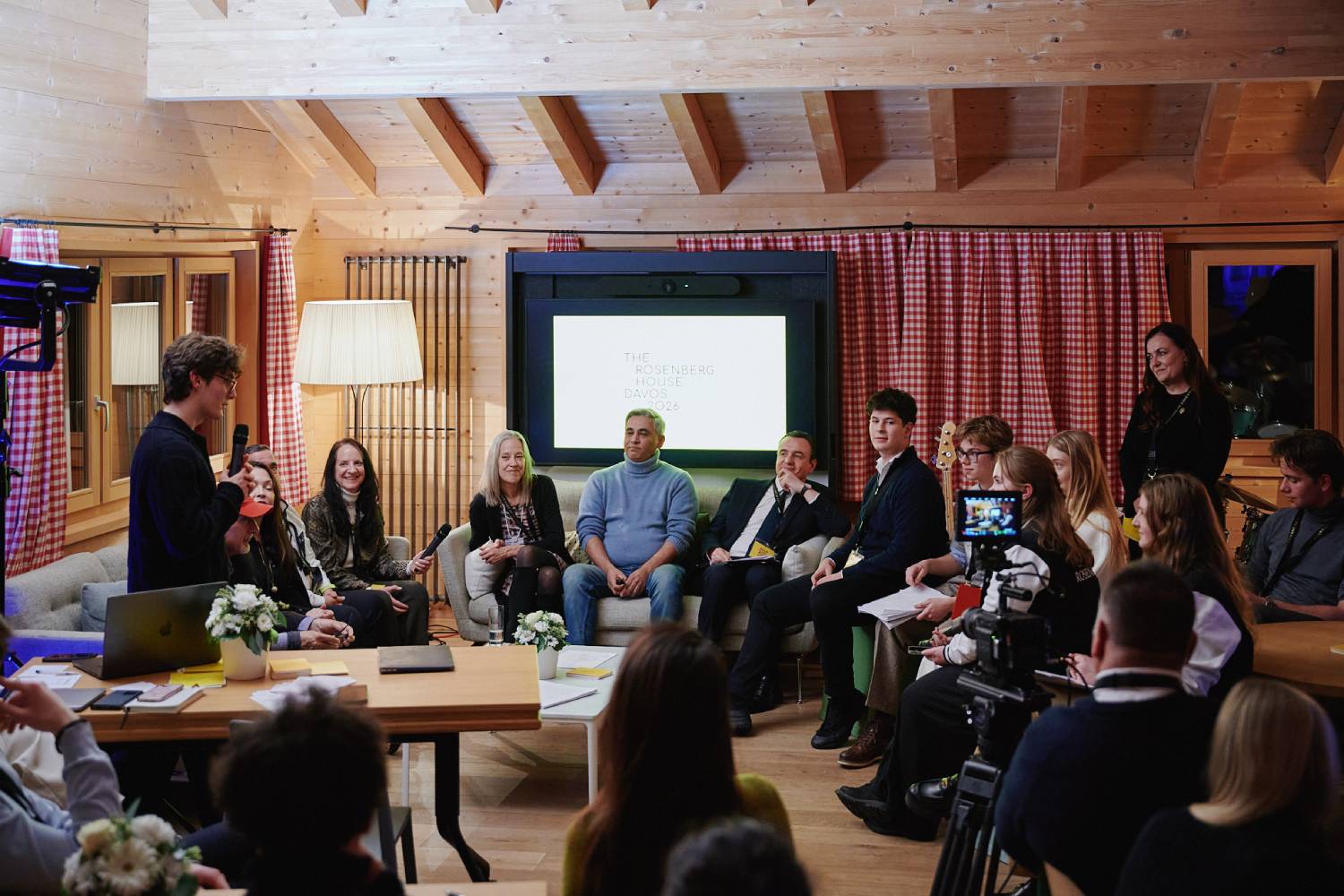
During the Rosenberg House Davos, held from 19 to 23 January on the Schatzalp during World Economic Forum week, students joined discussions with global leaders, scientists, technologists, educators, designers, and policymakers. Through roundtables, workshops, salons, and student-led sessions, they explored some of the defining challenges and opportunities shaping the future.
What made the experience unique was that students were not simply there to listen. They were there to participate.
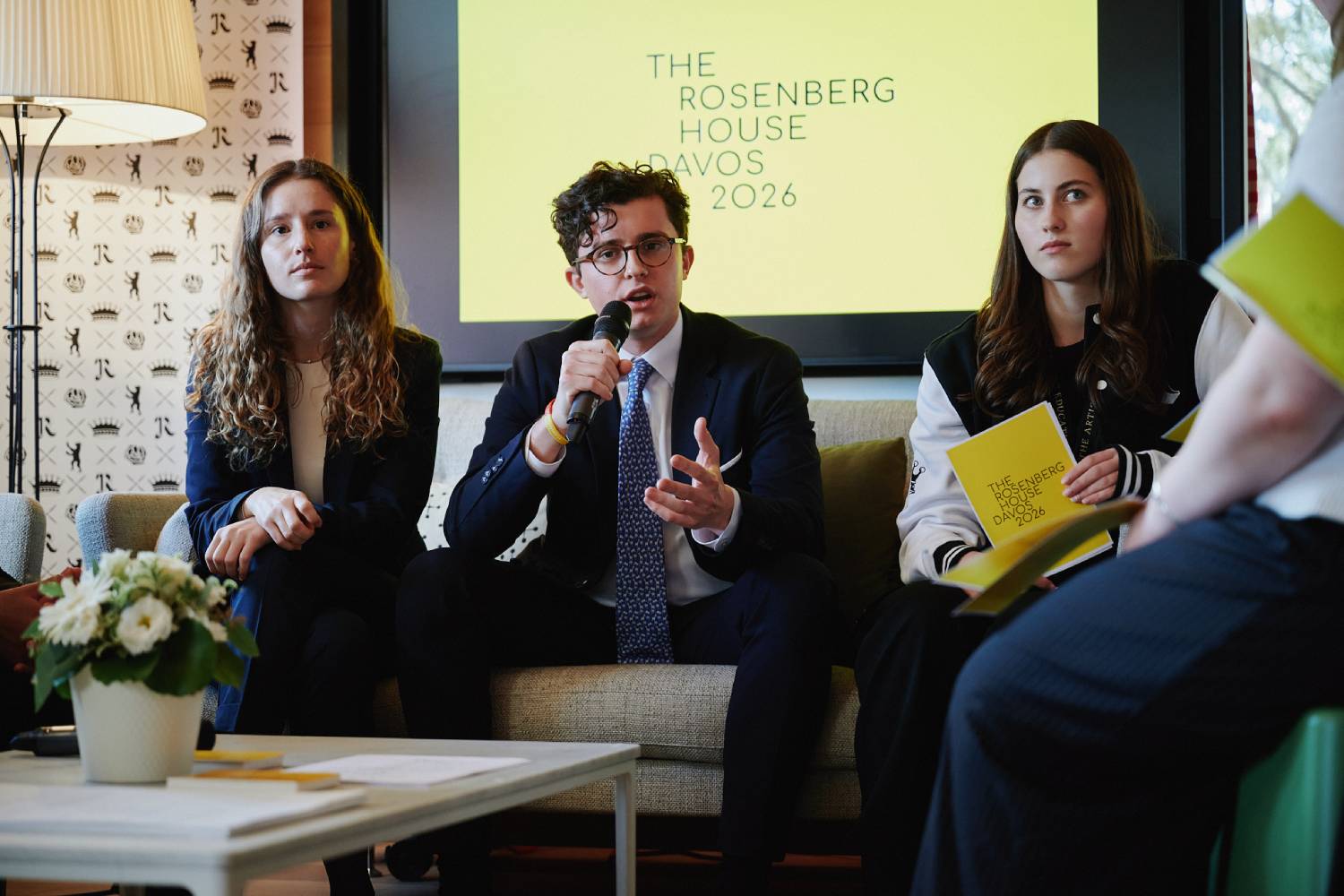
In fact, Institut auf dem Rosenberg became the first school to host a dedicated presence during World Economic Forum week, with sessions designed, led, and hosted by students. Participants included prime ministers, world leaders, educational institutions, internationally recognised historians, philosophers, scientists, and creative thinkers.
For many students, it was the first time they had spoken directly with people whose decisions influence industries, societies, and future generations. It was also an opportunity to discover that their own perspectives mattered.
The conversations that began in Davos would eventually become the foundation of the Rosenberg Youth Manifesto for Action, a student-authored collection of findings, definitions, and resolutions shaped by direct dialogue with global decision-makers. Officially launching on 20 June 2026, the Manifesto transforms student discussions, questions, and projects into practical actions for education, industry, and governance.
More importantly, it demonstrates what can happen when young people are invited into conversations about the future rather than simply being told about it.
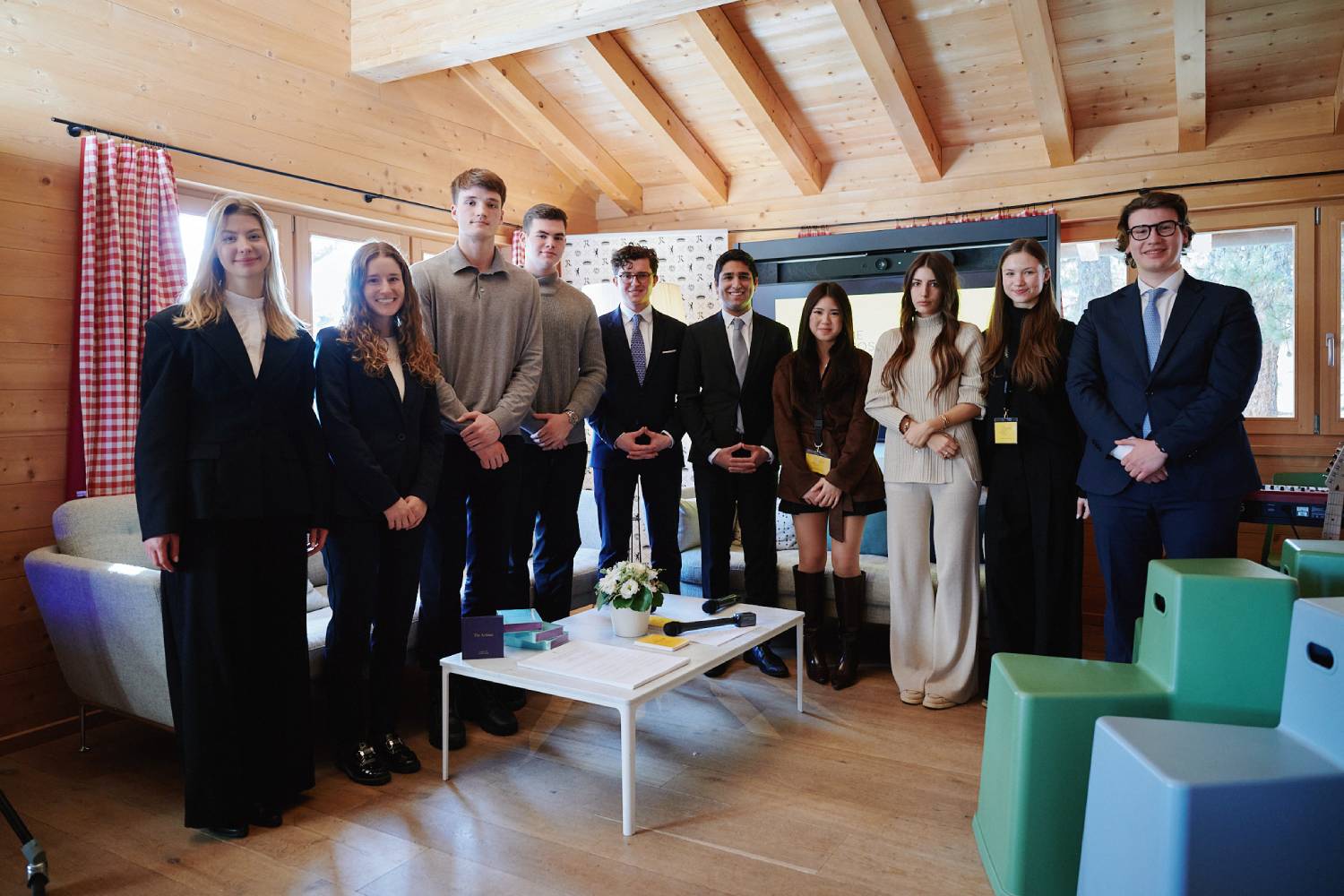
Turning Ideas into Action
The Rosenberg Youth Manifesto was developed in collaboration with Climate Words, a non-profit organisation dedicated to climate literacy and the language needed to educate others on climate change.
Rather than creating another report filled with recommendations, the goal was to build something practical and useful. The Manifesto translates conversations into clear definitions, action statements, and examples that can help leaders move from intention to implementation.
For Bernhard Gademann, President of Institut auf dem Rosenberg, that practical approach is what makes the project stand out.
“What makes this Manifesto significant is not that it speaks on behalf of young people, but that it was written by them. Whether discussing artificial intelligence, urban resilience, education, or global cooperation, one message emerged consistently: young people do not want to be passive observers of change. They want to contribute to shaping it.”
That belief is reflected throughout the experiences of the students who helped create it.
Asking Bigger Questions
For Andrea H. Grade 11, one topic kept returning throughout her time in Davos: artificial intelligence.
While participating in student sprints and moderating discussions on AI, she found herself thinking about a question that many experts are still trying to answer.
“How can we ethically guide AI to avoid a future where it operates beyond our understanding and control?”
The discussion encouraged her to think beyond technological progress and focus on responsibility, fairness, and accountability. Looking ahead, she hopes the benefits of emerging technologies are shared broadly.
“As AI becomes a defining force in our future, its benefits should be shared by all people rather than a selected few.”

The Power of Being Heard
For Elina L. Grade 11, the most important lesson from Davos was not about technology or politics.
It was about language.
As a moderator in the youth-led diplomacy programme, she worked with experts from education and technology while also collaborating with Climate Words. The experience changed the way she thinks about communication and its role in shaping change.
“It made me realise that language is not just about describing problems, it can also help us understand what needs to change and how to begin.”
For Elina, the project also provided something equally valuable: the chance to be taken seriously in conversations that affect future generations.
Her message to leaders is straightforward:
“Listen to young people not only as leaders of tomorrow, but as stakeholders of today.”

Understanding Leadership First-Hand
Kesnacharvy S. Grade 11 arrived in Davos with an interest in youth diplomacy and leadership.
What she discovered was a deeper understanding of how decisions are made, how negotiations take place, and how solutions are developed.
Watching discussions unfold between experts from different backgrounds gave her a unique insight into leadership in practice.
“I found the process of developing solutions and investigating the issues at hand very insightful.”
The experience showed her how important conversations can lead to meaningful change.
“It showed me how negotiations and crucial developments can be made formally.”
Her message to decision-makers reflects a belief that leadership must continue to evolve.
“The world is changing, and so is the way decisions should be made.”

Finding Confidence Through Conversation
For Ida H. Grade 9, some of the most memorable moments happened outside the formal sessions.
As a member of the Rosenberg House Student Leadership Team, she moderated discussions under the themes of Technology & Trust and Planet & Purpose. Yet it was the chance to speak directly with participants that left the greatest impression.
“It was one of the first times I had been in a space where I could ask questions and have real conversations with people involved in the topics we were discussing.”
The experience reinforced her belief that young people are capable of contributing meaningful ideas when given the opportunity.
Her message to world leaders is both simple and practical:
“Invest in today’s youth with more than just words. Give us real access to learning experiences, opportunity, and decision-making spaces.”

Looking Towards the Future
For Ruilin W. Grade 10, the Davos experience focused on shared stewardship and sustainability.
One of her most memorable moments was meeting Dr. Minoo Rathnasabapathy, whose work on the Space Sustainability Rating has helped shape discussions around sustainability beyond Earth.
The conversation left a lasting impression.
“Meeting her was special because I quickly learned that even someone like her, someone I would like to become, could feel uneasy before such an event.”
Rather than feeling intimidated, Ruilin found encouragement in seeing the human side of someone she admired.
She hopes scientific expertise plays a greater role in future decision-making and that education systems continue evolving alongside the challenges created by artificial intelligence and climate change.

One Manifesto, Many Perspectives
Despite their different interests from artificial intelligence and diplomacy to sustainability, communication, and education, the students shared a common belief: young people should not be passive observers of change.
The Rosenberg Youth Manifesto brings those perspectives together, translating conversations from Davos into practical ideas for education, industry, and governance. Rather than speaking for young people, it creates a platform through which they can speak for themselves.
Learning Across Generations
The Manifesto was shaped not only by student discussions, but also by contributions from internationally recognised experts and thinkers.
Historian and author Yuval Noah Harari highlighted the importance of helping young people understand the world without expecting them to carry its full responsibility.
“Young people should gain a better understanding of the world in which they live in, but without feeling the responsibility to actually manage it by themselves … ultimately, the responsibility of adults is to take care of the world so kids can focus on growing up.”
Dr Caroll O’Donnell, Executive Director of the Smithsonian Science Education Centre, emphasised the importance of bringing generations together through learning.
“We should never be trying to create learning experiences in which there is only one generation in the room.”
Together, these perspectives reflect one of the central ideas behind Rosenberg House Davos: meaningful progress happens when generations learn from one another rather than working separately.
A Voice That Refuses to Wait
The Rosenberg Youth Manifesto is more than a document.
It is a reflection of what happens when young people are trusted with meaningful conversations and given the opportunity to contribute.
Andrea’s focus on responsible innovation, Elina’s belief in the power of language, Kesnacharvy’s insights into leadership, Ida’s call for greater participation, and Ruilin’s vision for sustainability all point towards the same conclusion.
Young people do not want to stand on the sidelines.
They want to engage.
They want to contribute.
And they want to help shape the future they will inherit.
Through the Rosenberg Youth Manifesto, those voices are not waiting for tomorrow.
They are being heard today.