
“Legacy isn’t something you leave behind, it is what you build every day.”
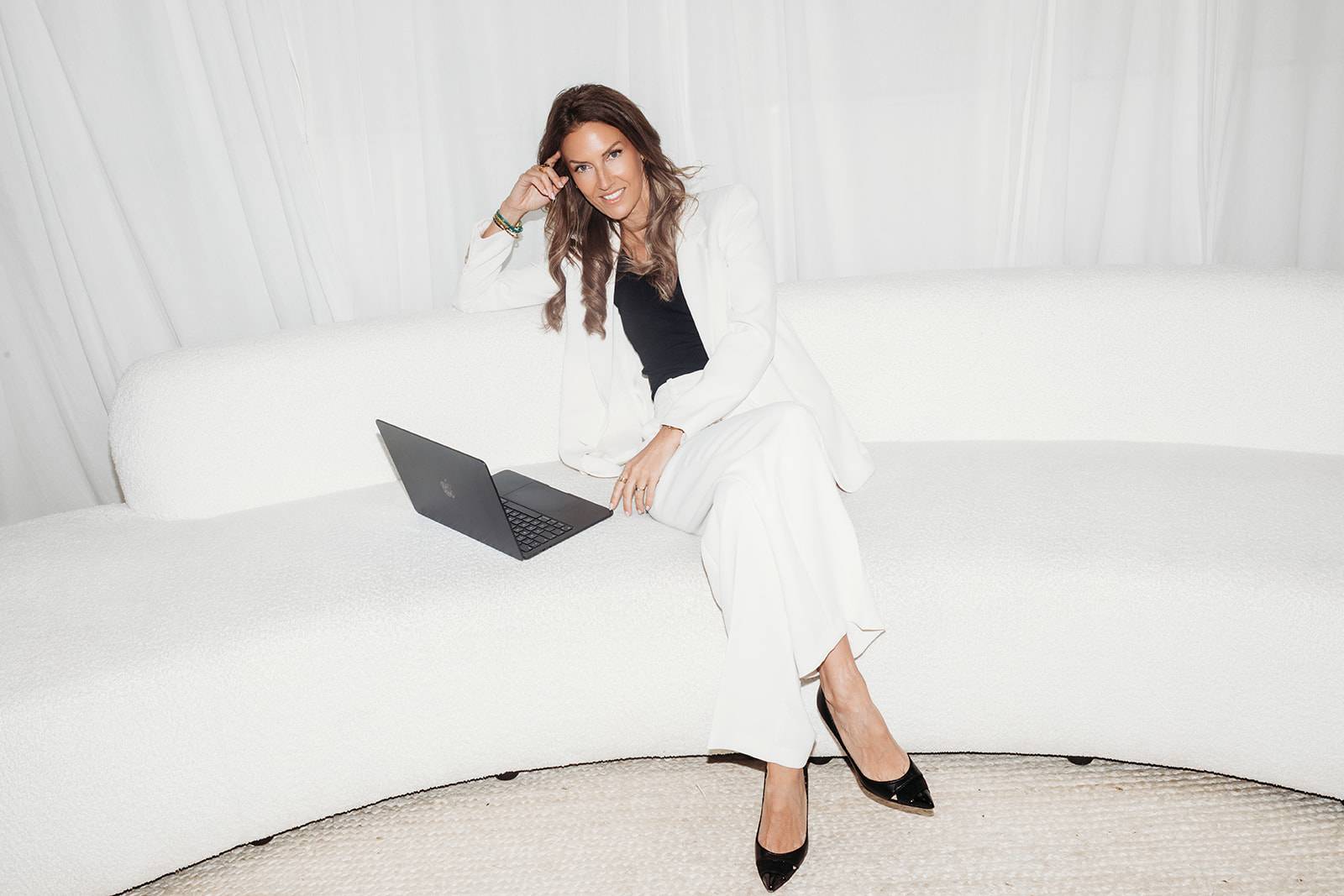
From the Cornish coast to working with global luxury brands, Charlotte Lodey’s journey has been shaped by one constant focus people. Her career moves through teaching, performing arts, marketing, coaching, and organisational consultancy, slowly building into a deeper understanding of human behaviour, leadership, and culture. In this conversation, she shares how early beliefs shape identity, why most people live through patterns they never question, and how awareness can quietly change the way we work and lead. She also opens up about organisational culture, cross-cultural communication, and what real leadership looks like beyond titles and systems. At its core, this is a conversation about people, how they grow, how they connect, and how everyday actions shape the legacy we leave behind.
Can you tell us a little about yourself and what brought you into coaching, leadership, and organisational culture?
My purpose has always been to help people fulfil their potential and create more confidence, joy, and meaning in their lives. Interestingly, every stage of my career has really been a journey towards aligning my work more deeply with those values.
I started my career in the performing arts and education, working as a teacher, before moving into creative events and marketing with luxury global brands. During that time, I noticed a disconnect within the events industry and became passionate about creating spaces where business owners could network, improve strategy, and grow in confidence. I began running workshops and training programmes for SMEs in the luxury, events, and marketing sectors, which naturally led me into coaching and wellbeing work.
From there, I retrained in areas including NLP, positive psychology, stress management, and life and business coaching, becoming accredited across multiple disciplines. Growing up on the Cornish coast also inspired a deep interest in the connection between wellbeing, nature, and the ocean, which later led me to qualify as a Blue Health Coach.
During Covid, I was approached to support the online digital training for an automotive client I had previously worked with, which eventually led to being headhunted by a luxury consulting agency working with some of the world’s leading automotive and luxury brands. Today, I travel internationally supporting organisations with leadership, marketing strategy, organisational culture, and client experience, while also coaching private clients, primarily women in business.
Having worked across many countries and cultures, including travelling for work to 25 countries last year alone, I’ve developed a strong passion for cross-cultural communication and understanding human behaviour on a global level. I’m now studying an MBA in Business Psychology, and I’m excited to continue supporting leaders, teams, and organisations in creating cultures where people truly thrive.

What early life experiences shaped how you understand people and human behaviour today?
Growing up in Cornwall in the south west of England shaped me in many ways. It’s a beautiful part of the world, but when I was younger it also felt quite rural and disconnected from what I perceived as bigger opportunities, success, or entrepreneurship. My mum was a teacher, and naturally I followed in her footsteps at first, but I now recognise that I had inherited certain beliefs around what was and wasn’t possible for someone “like me.” There was an underlying narrative of “that kind of success isn’t for me,” and it took time, curiosity, and experience to challenge those limitations and realise I didn’t have to follow one conventional path in life.
That journey taught me how deeply our upbringing, environment, and early experiences shape our beliefs, behaviours, confidence, and sense of identity. It’s one of the reasons I’m so passionate about human behaviour and coaching today, because I see how many people are still operating from inherited fears, self-doubt, or outdated beliefs they’ve never stopped to question. Once people become aware of those patterns, they can begin to rewrite them, step beyond the boundaries they once accepted, and reconnect with who they truly are and what they’re capable of.
Was there a moment when you realised this work wasn’t just a career choice, but something you were meant to do?
I think the realisation came gradually rather than through one single moment. Across every stage of my career, whether teaching, running workshops, or consulting, I found myself most fulfilled not by the business outcomes alone, but by seeing people reconnect with their confidence, voice, and potential.
I would often have people tell me that one conversation, question, or perspective shift had changed how they saw themselves or their future, and I began to realise this work was about far more than strategy or training. It felt like every experience I’d had was slowly leading me towards a deeper purpose: helping people feel seen, empowered, and capable of creating meaningful impact in their lives and work.
What is one thing you feel most organisations still get wrong about building a strong culture?
I think many organisations still see culture as something that sits around the business rather than at the centre of it. Culture isn’t a mission statement on a wall or a wellbeing initiative added as a tick-box exercise, it’s how people feel when they come to work every day, how safe they feel to communicate honestly, and how consistently leadership behaviours align with company values.
One of the biggest disconnects I see is organisations wanting innovation and high performance without creating the psychological safety, trust, and human connection that allow those things to thrive. Strong culture is built through everyday behaviours and leading by example, not just strategy documents.
When you walk into a new organisation or client space, what do you notice first that shows its real culture?
The first thing I notice is energy, how people interact when no one is “performing.” You can learn a lot from body language, how people speak to one another, whether individuals feel comfortable contributing, and how leaders engage with their teams. I pay attention to the small moments: whether people feel genuinely seen, whether communication feels open or guarded, and whether there’s consistency between what the organisation says it values and what people actually experience day to day.
Real culture is rarely found in branding or presentations; it’s felt in the atmosphere, behaviours, and emotional tone of the environment. I have also learnt it is really important to look for cultural nuances. Behaviours that may be small but extremely important in business and building relationships.

You work across different countries and cultures. What experience has most changed how you see communication and leadership?
One experience that really stayed with me was working closely with Japanese businesses and witnessing the incredible level of respect, attentiveness, and consideration given to relationships, trust, and detail.
I became fascinated by the concept of “reading the air”, understanding what is not being said as much as what is and how implicit communication, emotional awareness, and subtle social cues can shape trust and connection in business.
It made me realise that strong leadership is not always the loudest voice in the room; often it’s found in humility, consistency, listening, and emotional intelligence. Travelling extensively and working across global teams has shown me that there is no one-size-fits-all approach to leadership or communication.
The most effective leaders are those who stay curious, adaptable, and culturally aware, while making people feel valued and understood regardless of language or background.
While studying Business Psychology, what has surprised you the most about people or leadership?
One of the things that has surprised me most is how much of leadership and workplace behaviour is driven by psychology, emotion, and past experience rather than logic alone. We often assume people resist change because they are difficult or unmotivated, when in reality many are navigating fear, uncertainty, identity, or a lack of psychological safety.
Studying Business Psychology has reinforced how deeply human organisations really are. It has also highlighted that the most effective leaders are not necessarily those with the strongest technical skills, but those who can create trust, emotional safety, self-awareness, and a sense of meaning within their teams.

In your coaching work, what common shift do you see when people start becoming more self-aware?
One of the most common shifts I see is people moving from external validation to internal clarity. As they become more self-aware, they start to notice how much of their behaviour has been shaped by expectation, comparison, or a desire to be seen as “enough” in the eyes of others.
Over time, that begins to soften, and they start making decisions from a place of alignment rather than approval-seeking. There’s often a noticeable increase in confidence, not because everything becomes easy, but because they begin to trust themselves more. They communicate more clearly, set better boundaries, and feel more grounded in who they are and what they want to stand for.
A lot of people say they feel they can step back from their lives and be the observer so they can really decide if that decision/situation is right for them. This is the most powerful part of introspective work. Once there is awareness, then there can be change.
When you look at your work as a whole, what does meaningful impact look like to you?
For me, meaningful impact is when someone leaves a conversation, workshop, or coaching session feeling more connected to themselves than when they arrived. It’s not just about performance improvement or leadership development in isolation, but about helping people reconnect with confidence, clarity, and a sense of purpose in how they show up at work and in life.
I see impact in the moments where someone realises they have a voice, or where a leader begins to shift the way they communicate and the environment they create for others.
On a wider level, it’s also about shaping cultures where people feel safe to contribute, grow, and be themselves. If I’ve helped someone align more closely with their values, step into their potential, or leave a positive imprint on the people around them.

You live by the coast and come from a ballet background. How have these two influences shaped your thinking and work?
Living by the coast has given me a constant reminder of perspective, rhythm, and space. The ocean, and what we often refer to as “blue space”, has a way of resetting everything. It creates moments of awe that naturally put things into perspective, gently humbling you and helping you step outside of your own internal noise.
In those moments, there’s a real sense of gratitude for who you are and where you are, and it has a powerful way of transcending the ego and bringing you back to what really matters.
My ballet background, on the other hand, shaped my discipline, attention to detail, and understanding of performance, presence, and storytelling without words. It also gave me a deep appreciation for expression and what it means to communicate something that is felt, not just seen.
I sometimes use the phrase from the ballet barre to the boardroom, as so many skills are taught in ballet about confidence and projection that really help even now 37 years after I put on my first pair of ballet shoes.
Together, they’ve shaped how I work: balancing structure with flow and ambition with groundedness. Both influences continue to remind me that ‘how’ we show up, in work, leadership, and life, is just as important as ‘what’ we do.
If you had to describe the core message behind everything you do, what would you want people to understand most?
We are all creating a legacy every day, through how we lead, communicate, behave, and make others feel in both our work and our lives. That legacy isn’t something reserved for senior leadership or the end of a career; it’s being built in every interaction, decision, and moment of influence.
I want people to understand that when they become more self-aware, more intentional, and more aligned with their values, they don’t just change their own experience, they positively impact the people, teams, and environments around them. For me, meaningful work is about helping individuals and organisations realise that personal growth and organisational culture are deeply connected, and that when we lead from authenticity and purpose, we naturally create a more lasting and positive legacy. Legacy isn’t something you leave behind, it is what you build every day.

What has this journey taught you about people that you didn’t expect at the beginning?
What has surprised me most is how universal people’s core needs are, regardless of role, status, or culture. At the beginning of my career, I expected to find that success or confidence looked different depending on the environment, but over time I’ve realised that most people are navigating similar inner experiences,wanting to feel valued, heard, capable, and secure in who they are.
A lot of it comes from learned and inherited behaviours and beliefs from childhood. Even though they feel like true stories, using the power of neuroplasticity, they can actually be rewritten to allow you to live a more aligned life.
I’ve also learned that behaviour is rarely what it first appears to be; what can look like resistance, disengagement, or lack of confidence is often uncertainty, fear, or a lack of psychological safety.
The more I’ve worked with people across global industries and cultures, the more I’ve understood that when you create the right environment, one built on trust, empathy, and clarity, people naturally step into their potential in ways that often exceed expectation. We are all dealing with similar issues, they just manifest in different ways.

When someone completes your coaching or consultancy journey, what change in them tells you your work has truly made an impact?
The clearest sign for me is when someone begins to trust themselves again. I think we all underestimate the power of trusting in our capabilities. It’s not necessarily about a dramatic external transformation, but a quieter internal shift where they feel more grounded and confident in how they make decisions and show up.
I notice it when clients start communicating more openly, setting boundaries without guilt, and approaching challenges with more calm and perspective rather than fear or self-doubt. In leadership and organisational work, it’s often when they begin to influence culture in a more intentional way, creating environments where others also feel safe to contribute and grow. Ultimately, I know my work has made an impact when someone moves from uncertainty or self-doubt into a place of self-trust, alignment, and ownership of their own potential.
Editor’s Note
This conversation follows a journey that moves across countries, cultures, and many different roles. From teaching and performing arts to working with global organisations, her path slowly shaped a deep focus on people and how they think, feel, and grow.
She speaks about how early beliefs can quietly shape the way we see ourselves. Many people, she feels, are still living with ideas they never stopped to question. Over time, her work in coaching and psychology helped her understand how awareness can change the way people lead their lives and work.
A key part of the conversation is how she sees culture inside organisations — not as systems or rules, but as how safe people feel, how they communicate, and how they are treated every day.
She sums up her thinking in one line
“Legacy isn’t something you leave behind, it is what you build every day.”
It’s a reminder that every action matters. The way we lead, speak, and show up shapes people far more than we realise.