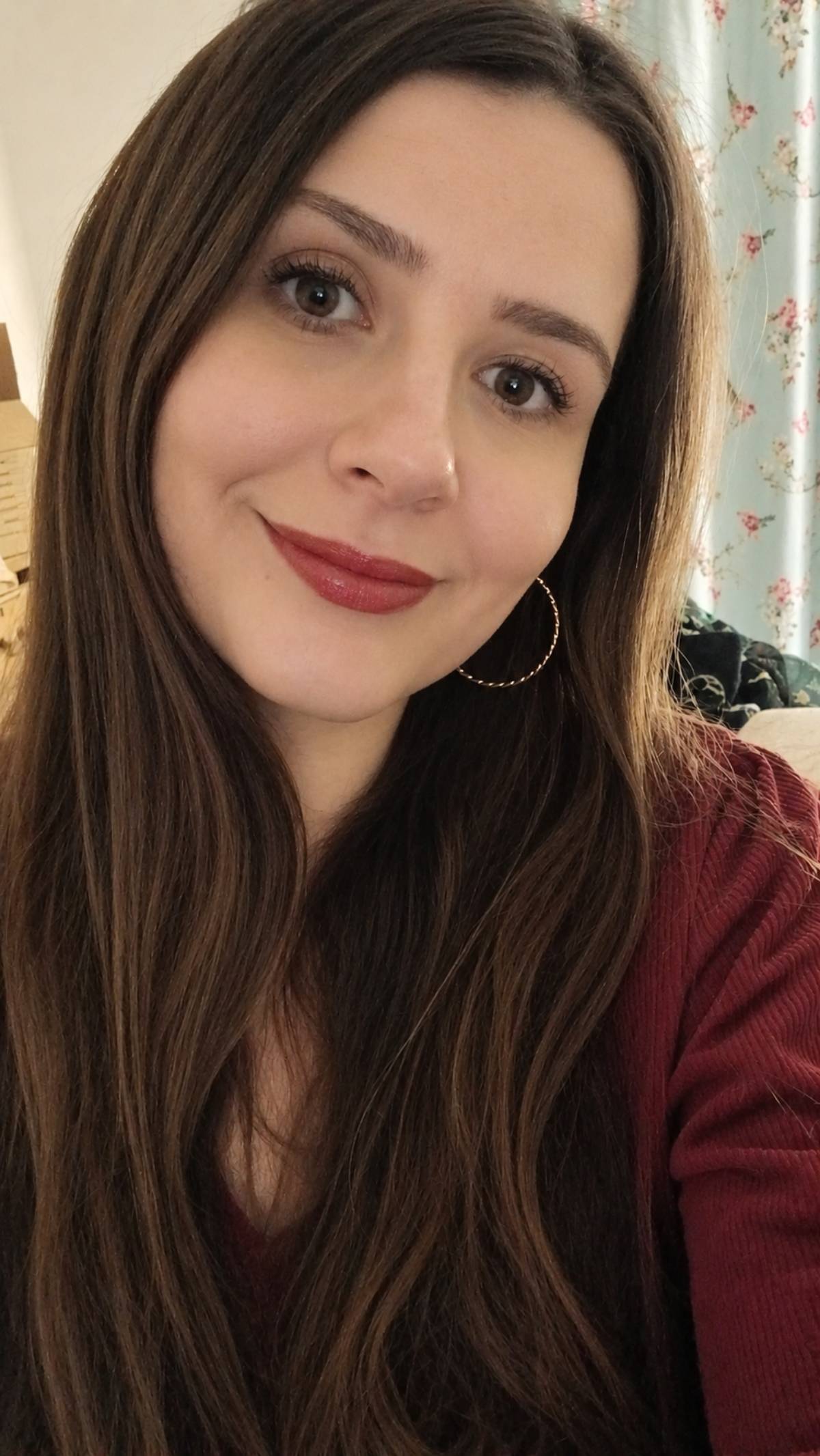

I like many other modern women, find myself trying to go back to a world I never lived in. A world that might never have even existed.
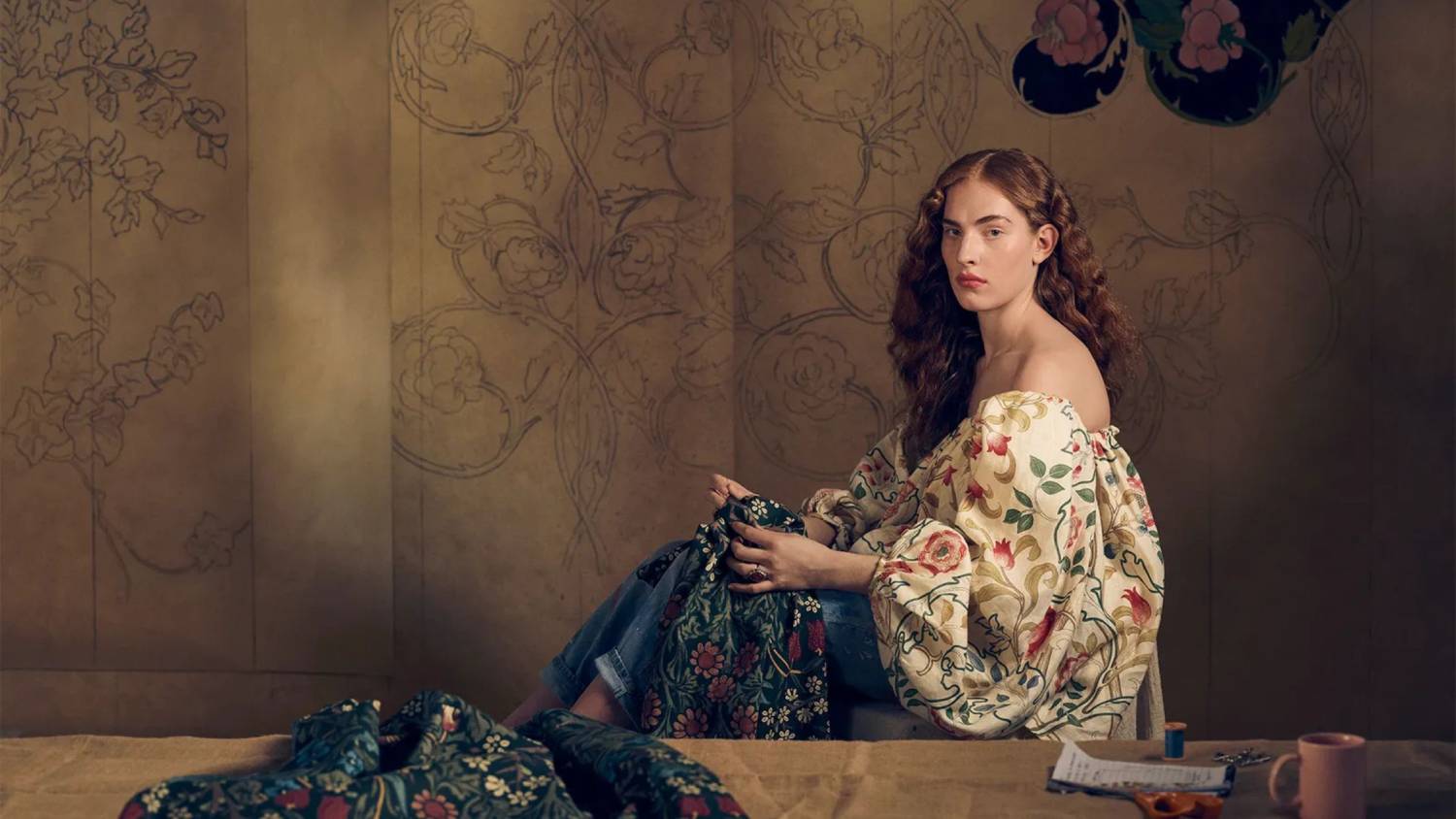
Whenever I’m faced with a decision on how to decorate, or what clothes or homeware to buy, I consistently reach for the past. Whether it’s William Morris wallpaper, high-waisted trousers, red lipstick, or the vinyl record player on my antique chest of drawers, the influence of vintage across my life is everywhere.
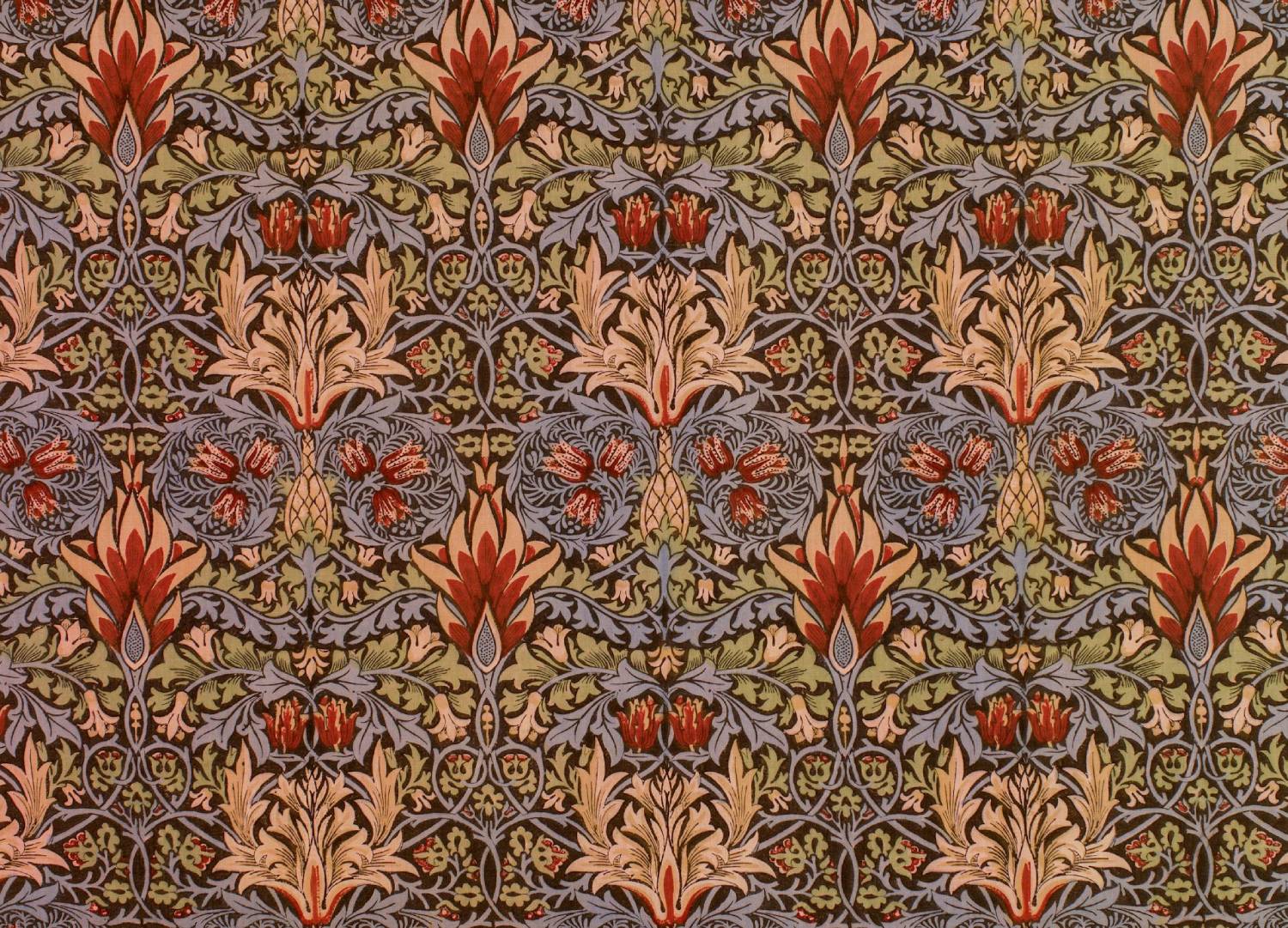
I used to think these preferences were economical. If you buy something timeless, you don’t have to replace it, but recently I’ve started to wonder if my love of vintage comes from something deeper. Why do I strive to emulate years gone by, ignoring the stains of war and poverty, the oppression of women, the diseases now eliminated from history? When I pick out a gingham print, or polka-dots, or a china tea-set, I don’t see the ugly truths. I see instead a world where romance comes in the form of writing letters and riding in the passenger seat of a Chevy. I see drive-in movie theatres and diners, neighbours who knew your name, women who were always well-turned-out, surrounded by beautiful homes, coiffed hair and glamorous clothes.
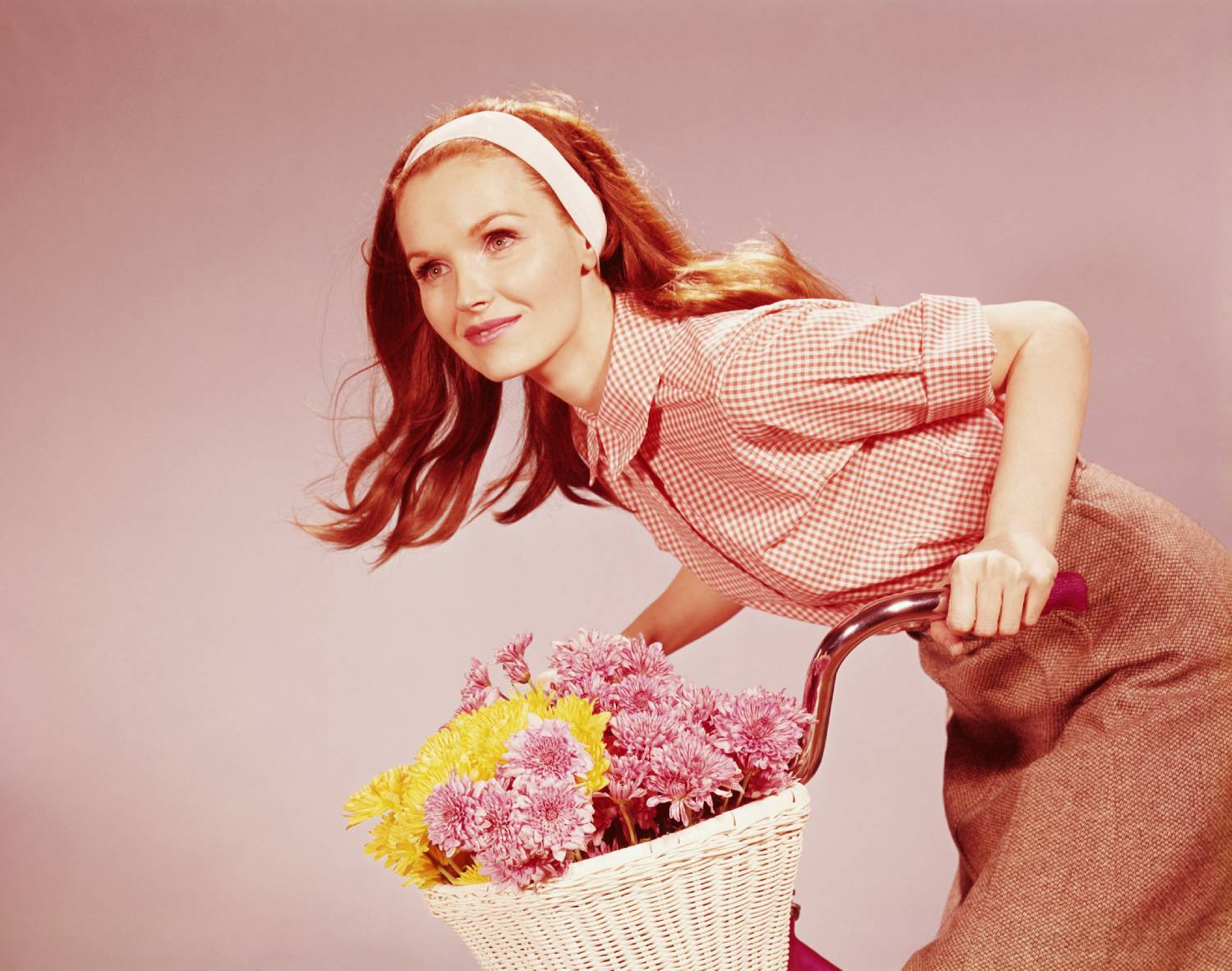
I omit from my fantasies the fact that women couldn’t open bank accounts, or buy a house, or work after they were married. I forget that many of them resorted to ‘mother’s little helpers’; prescription tranquilizers to ease the pressures of keeping a perfect home. Most of us are aware that life for women has been far from perfect throughout history, but I also know that I’m not alone in my tendency to romanticise the past.
It wasn’t so long ago that the trend of being nostalgic for the year 2016 exploded on my timeline, accompanied by pictures of Starbucks cups and people mid-jump beneath old Instagram filters, Zara Larsson’s ‘Lush Life’ playing in the background. Needless to say, it made me feel old, and, as I cried my millennial tears, I wondered: has enough truly changed to warrant this kind of longing, the urge to go back to the golden, long-forgotten era of… ten years ago?
If the answer is no, then it begs a deeper question: what are we hoping for when we dig out old photos and replicate old trends? What magic do we hope to uncover that makes our present lives better, that separates us from modernity and keeps us safe in the rosy bubble of times gone by?
Maybe what we’re looking for is quality: things that take longer to make but that last the ages. If you have to be selective about what you buy, those things will hold more meaning. I, for one, am guilty of forgetting that mass production has existed for decades and think of ‘back then’ as a world of fewer things, kept for generations and passed down, while ‘now’ is a world of cheaply made goods, quickly replaced and easily forgotten. At times, it feels like our lives have gone the same way, encouraging us to move on, to upgrade and improve rather than to cherish and to care for.
It’s undeniable that our world has become fast. Fast fashion, fast food, fast entertainment, fast gratification, fast lives. In the online world, how things feel comes secondary to how they look. We achieve something then move onto the next, always striving, documenting, curating. Of course, there are many people who thrive in this environment, using social media to explore their creativity and harness its power. I, however, find the whole thing exhausting and unsustainable. My life isn’t picture perfect and I don’t want to pretend it is.
I think what I’m longing for is a time when there was no pressure to create the perfect feed, when our favourite moments were captured in memory alone, or in a diary, the details savoured in ink. It’s hard to remember that there has always been pressure to keep up appearances, even before social media existed, and that the openness we now have around mental health, relationships, and personal struggles has served us for the better. Perhaps, then, what I’m looking for in my vintage world is more complicated than just the absence of modernity alone.
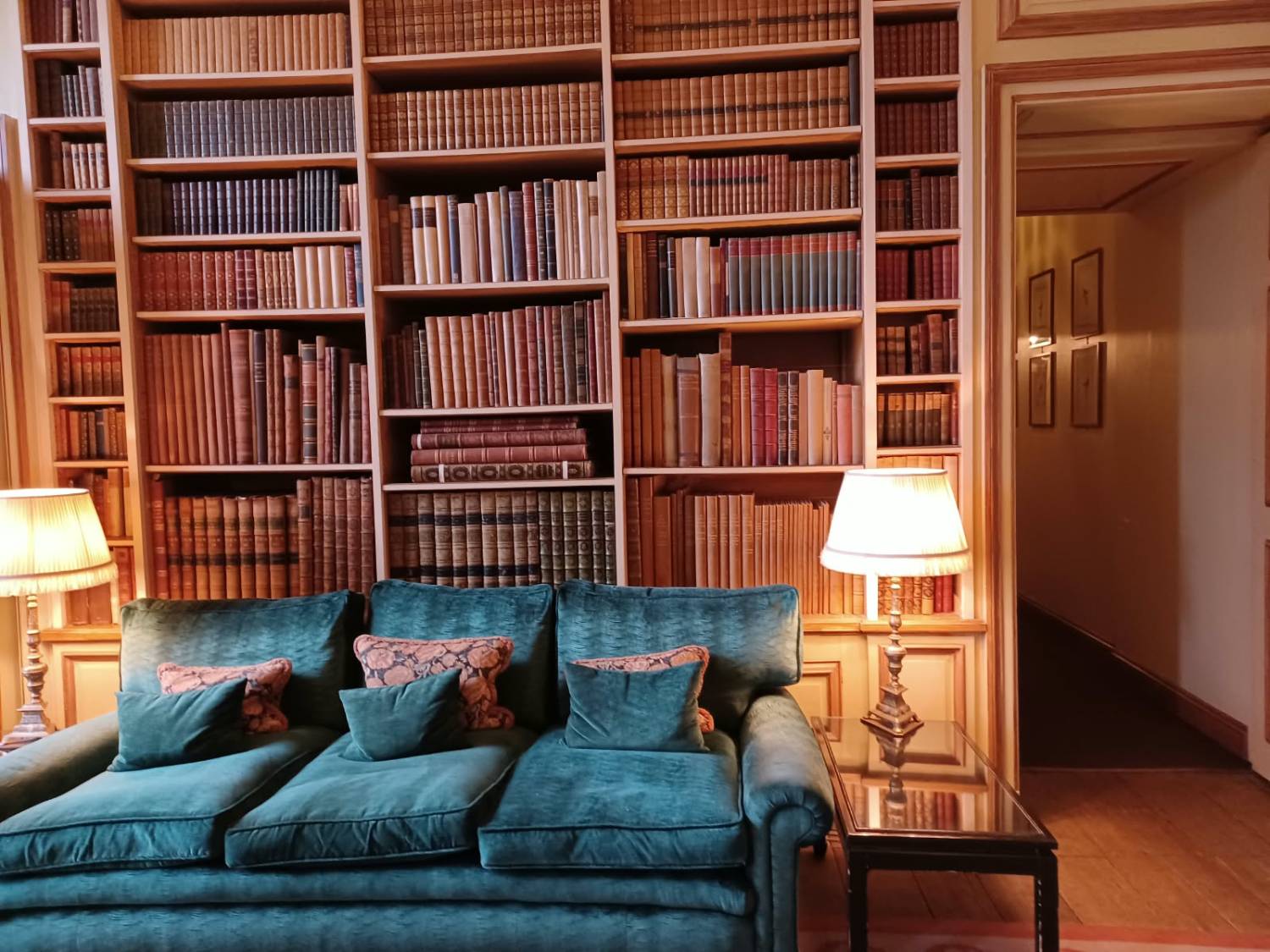
I wonder if I’m nostalgic for something deeper than a specific decade. Is what I’m looking for a sense of belonging: a time when humans lived closer together, when the pressures of life reduced and the burdens were shared? Whether this time ever existed is irrelevant. I can project it onto any era I like, making it tangible through the clothes I wear and the way I decorate. Maybe I’m subconsciously calling for these ideals, comforting myself that what I imagine existed before can exist again.
And is there any harm in that? After all, vintage culture allows women to indulge in glamour, romance, domesticity and traditional femininity by choice, rather than obligation. It allows us to take the good parts of the past and merge them with modern progress, sifting through what has come before and adding our own improvements: a Lana Del Rey record to relate to, William Morris wallpaper on the wall of a single woman’s house, a beautiful dress without the expectation that we should stay home to wear it.
I’m inclined to say that anything which brings comfort and joy should be encouraged, so long as it doesn’t stop us from embracing our present lives. One thing I know for sure is this: is as long as they keep making 1930s prints for me to buy, I’ll be there, card in hand, cherry-picking through history and hanging my favourite pieces on the wall, and if ever there’s a time when 2026 becomes the new 1930, I’ll have my co-ords and Shein fabrics ready to sell the dream that we had it so much better than the generations to come.
Author: Hannah Hopkins