

From faded graphics to rare trainers and oversized silhouettes, vintage streetwear has become one of the most influential forces shaping modern style.
What was once a niche interest among collectors and dedicated enthusiasts is now a global movement driven by nostalgia, individuality, sustainability, and the desire for authenticity in a fast moving fashion world.
Fashion has always had a habit of revisiting the past. Yet the current obsession with vintage streetwear feels different. It is not simply about recreating old looks. It is about reconnecting with cultural moments, personal identity, and a sense of originality that many people feel has been lost in an age of mass production.
Across cities, social media feeds, and university campuses, vintage clothing has become a defining part of contemporary style. Oversized sportswear, faded graphic tees, retro denim, old-school trainers, and classic logos are appearing everywhere. What was once considered outdated is now highly sought after.
The popularity of vintage streetwear reflects more than changing fashion trends. It reveals a wider shift in how people think about clothing, consumption, and self-expression.
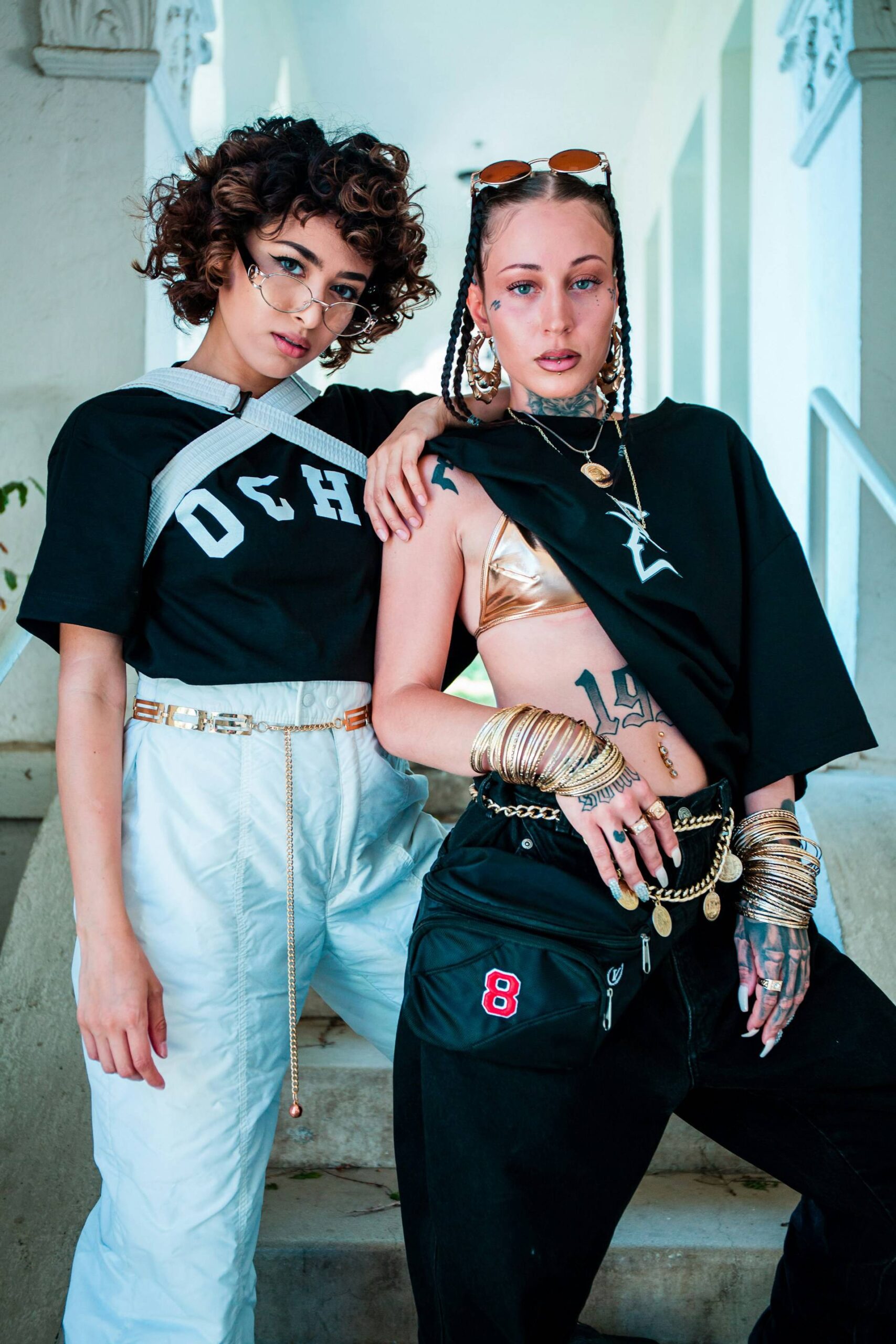
From Subculture to Global Influence
Streetwear culture emerged from a blend of skateboarding, hip-hop, sport, music, and youth communities. In its early years, it represented belonging, creativity, and rebellion against mainstream fashion.
The appeal was never purely about clothes. Streetwear carried stories. A jacket, pair of trainers, or graphic tee often reflected a particular scene, city, or cultural movement.
Over time, streetwear moved from local communities into global fashion. Luxury brands began borrowing its aesthetics, while collaborations between designers, athletes, musicians, and artists pushed streetwear into the mainstream.
As streetwear evolved, many enthusiasts began looking backwards. Instead of chasing the newest release, they started searching for the pieces that helped shape the culture in the first place. This growing interest laid the foundation for the vintage streetwear boom.
Brands such as Stüssy, helped define the foundations of modern streetwear culture, influencing generations of fashion enthusiasts and collectors.
Why Younger Generations Are Looking Back
For many younger consumers, vintage fashion offers something modern retail often struggles to provide: character.
Growing up in a world dominated by fast fashion and endless online shopping has created a desire for clothing that feels unique. Vintage pieces often carry signs of age, history, and individuality. No two items feel exactly the same.
There is also a fascination with past decades. The styles of the 1980s, 1990s, and early 2000s continue to inspire new generations who experienced those eras only through films, music videos, magazines, and social media archives.
Vintage streetwear allows younger consumers to participate in a cultural moment they never lived through while making it their own.
The Power of Nostalgia
Nostalgia has become one of the strongest forces influencing modern fashion culture.
People often associate clothing with memories, emotions, and important moments. A vintage sports jersey might remind someone of a favourite athlete. A retro band tee may evoke memories of a music era that continues to influence contemporary culture.
Even for those who never experienced these moments firsthand, nostalgia still holds power. It offers a connection to stories, aesthetics, and cultural identities that feel more tangible than today’s rapidly changing trends.
Fashion is rarely just visual. It is emotional. Vintage streetwear succeeds because it taps into that emotional connection.

Standing Out in a World of Sameness
One of the biggest appeals of vintage streetwear is its ability to support self-expression.
Consumers today have access to countless products, yet many people feel that mainstream fashion increasingly looks the same. Identical trends can appear across thousands of shops and online platforms almost overnight.
Vintage clothing offers an alternative.
Finding a rare graphic sweatshirt, an old varsity jacket, or a forgotten sports piece feels personal. These items help people build a fashion identity that reflects their interests, influences, and personality.
In a culture where individuality is highly valued, vintage streetwear provides a way to stand apart without appearing overly curated.
How Social Media Changed Everything
The rise of vintage streetwear cannot be separated from social media.
Platforms such as Instagram, TikTok, and Pinterest have transformed how people discover fashion. Vintage sellers, collectors, stylists, and everyday enthusiasts share outfits, archive pieces, and thrift finds with global audiences.
A single video showcasing a rare jacket or retro logo can generate thousands of searches within hours. Trends spread faster than ever, but unlike traditional fashion cycles, social media also helps preserve and celebrate older styles.
The result is a continuous conversation between past and present.
Vintage pieces no longer feel outdated. Instead, they are constantly being reintroduced to new audiences through digital culture.
The Influence of Cultural Icons
As streetwear gained mainstream attention, labels like Kith, Palace Skateboards, and Carhartt WIP became closely associated with musicians, athletes, and creative communities.
Many influential figures regularly incorporate vintage clothing into their personal style, helping audiences appreciate the cultural value behind older garments.
Vintage sportswear, concert merchandise, varsity jackets, and archive fashion pieces often gain renewed attention when worn by high-profile personalities. However, the appeal goes deeper than celebrity influence.
People are increasingly drawn to authenticity. Seeing someone wear a genuine vintage item often feels more meaningful than seeing another sponsored product launch.
The story behind a garment can be just as important as its appearance.
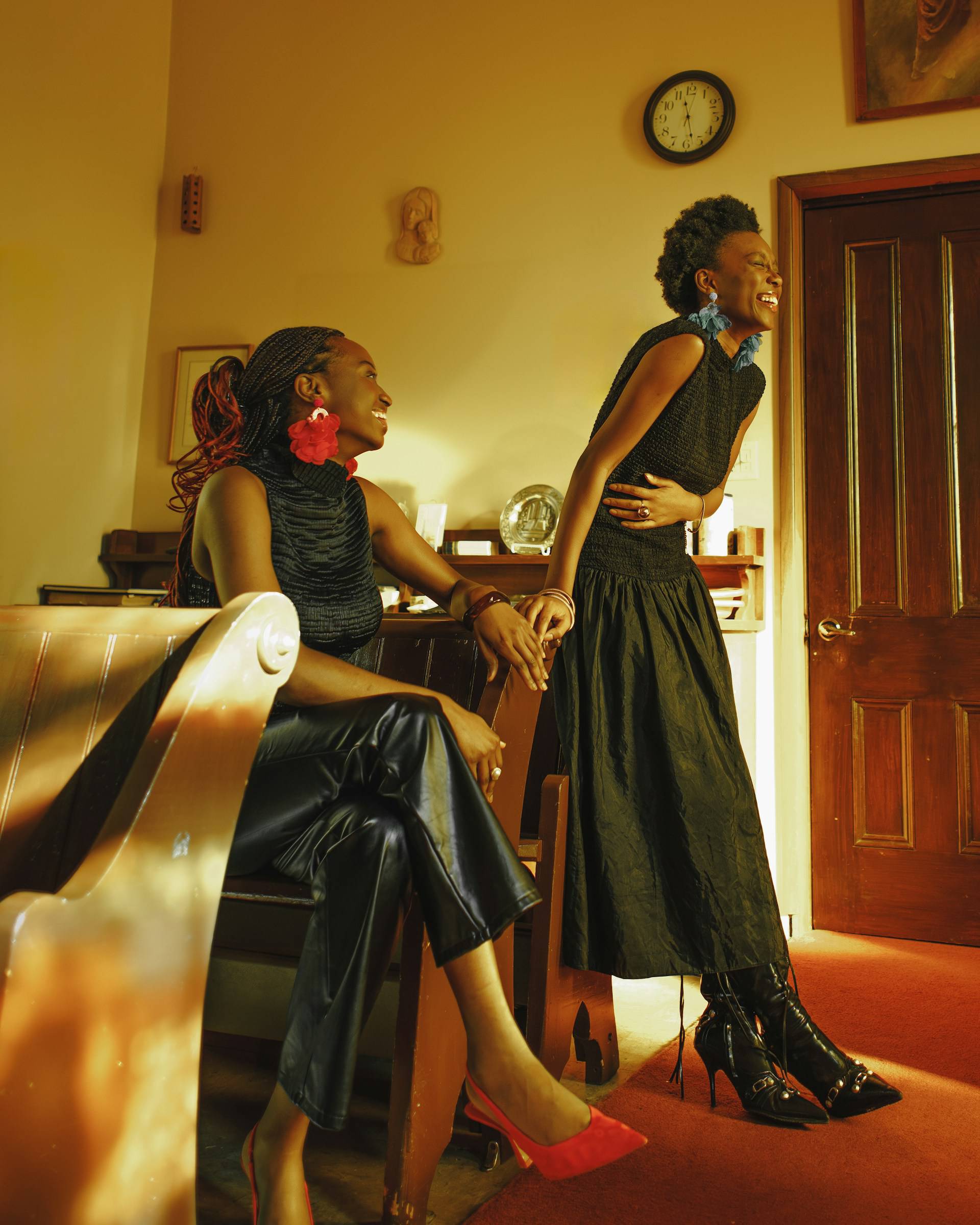
Sustainability Meets Style
Another major reason behind the growth of vintage fashion is sustainability.
Consumers are becoming more aware of how clothing is produced and discarded. As conversations around environmental responsibility continue to grow, second-hand fashion has gained wider acceptance.
Buying vintage clothing extends the life of existing garments and reduces demand for constant new production. For many consumers, it feels like a more thoughtful way to participate in fashion.
Importantly, sustainable fashion no longer requires sacrificing style. Vintage streetwear proves that environmental awareness and strong personal style can comfortably exist together.
The Thrill of the Hunt
Part of vintage streetwear’s appeal lies in discovery.
Unlike traditional shopping, where products are widely available, vintage shopping often involves searching through thrift stores, online marketplaces, resale platforms, and independent sellers.
The rarity of certain pieces adds excitement. Limited designs, discontinued graphics, and hard-to-find items become highly valued because they cannot simply be replaced.
Many collectors spend years searching for vintage pieces from iconic streetwear labels such as Stüssy, Supreme, BAPE, Kith, Carhartt WIP, HUF, The Hundreds, and Patta. Older graphic tees, rare collaborations, varsity jackets, and discontinued designs from these brands often become prized finds within the vintage fashion community.
This growing resale market has created an entire ecosystem built around collecting, trading, and preserving fashion history.
For many enthusiasts, finding the perfect piece is as rewarding as wearing it.
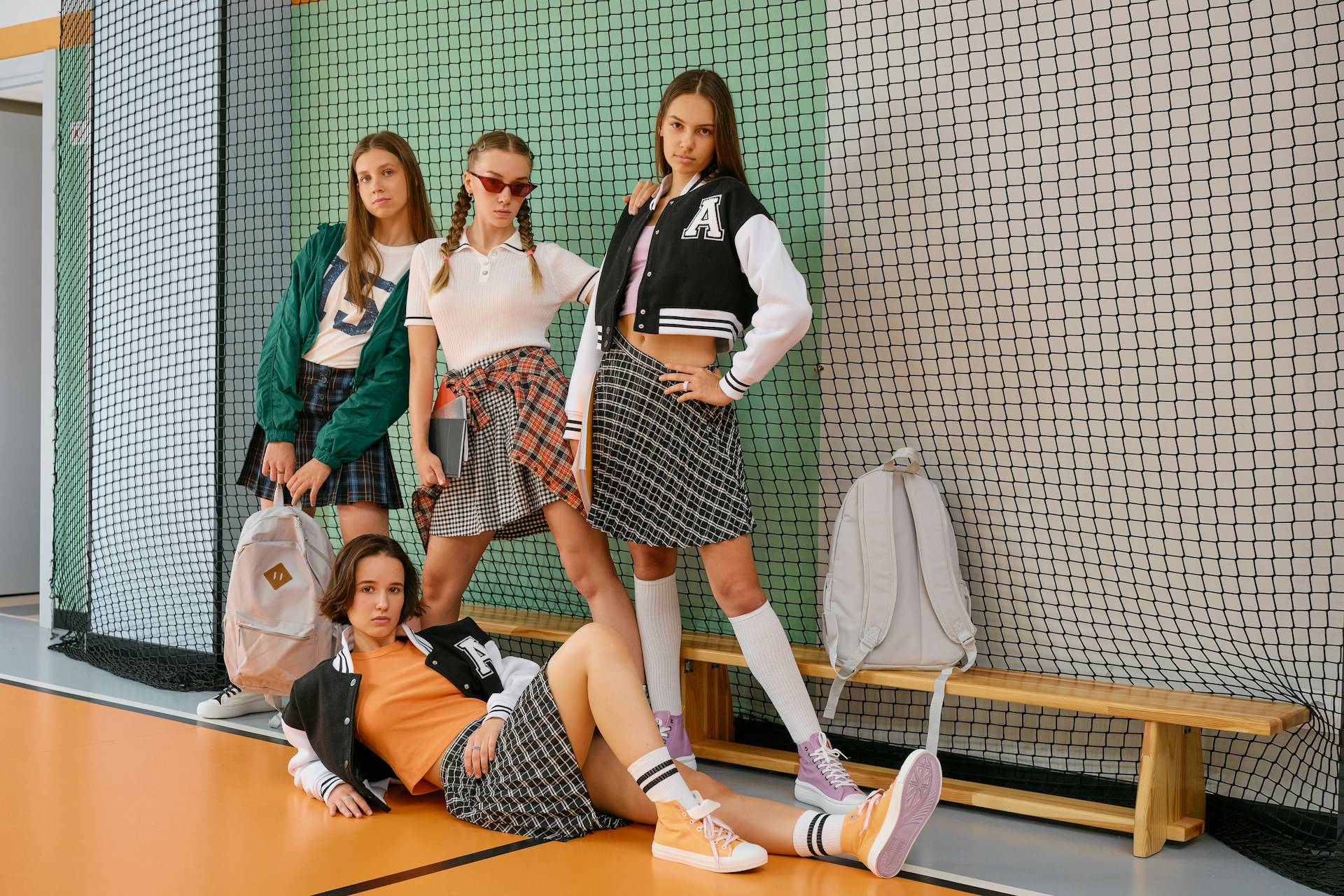
More Than a Trend
Vintage streetwear has evolved far beyond a passing fashion moment. It sits at the intersection of culture, memory, sustainability, and self-expression.
Its popularity reflects changing consumer attitudes towards authenticity, individuality, and conscious consumption. People are no longer interested only in what is new. They are increasingly interested in what feels meaningful.
As fashion continues to recycle and reinterpret the past, vintage streetwear remains uniquely positioned to connect generations, cultures, and personal stories. It allows people to wear history while creating something entirely their own.
That balance between nostalgia and innovation is exactly why vintage streetwear continues to dominate fashion culture and why its influence shows no signs of fading.